Hear from Our Customers
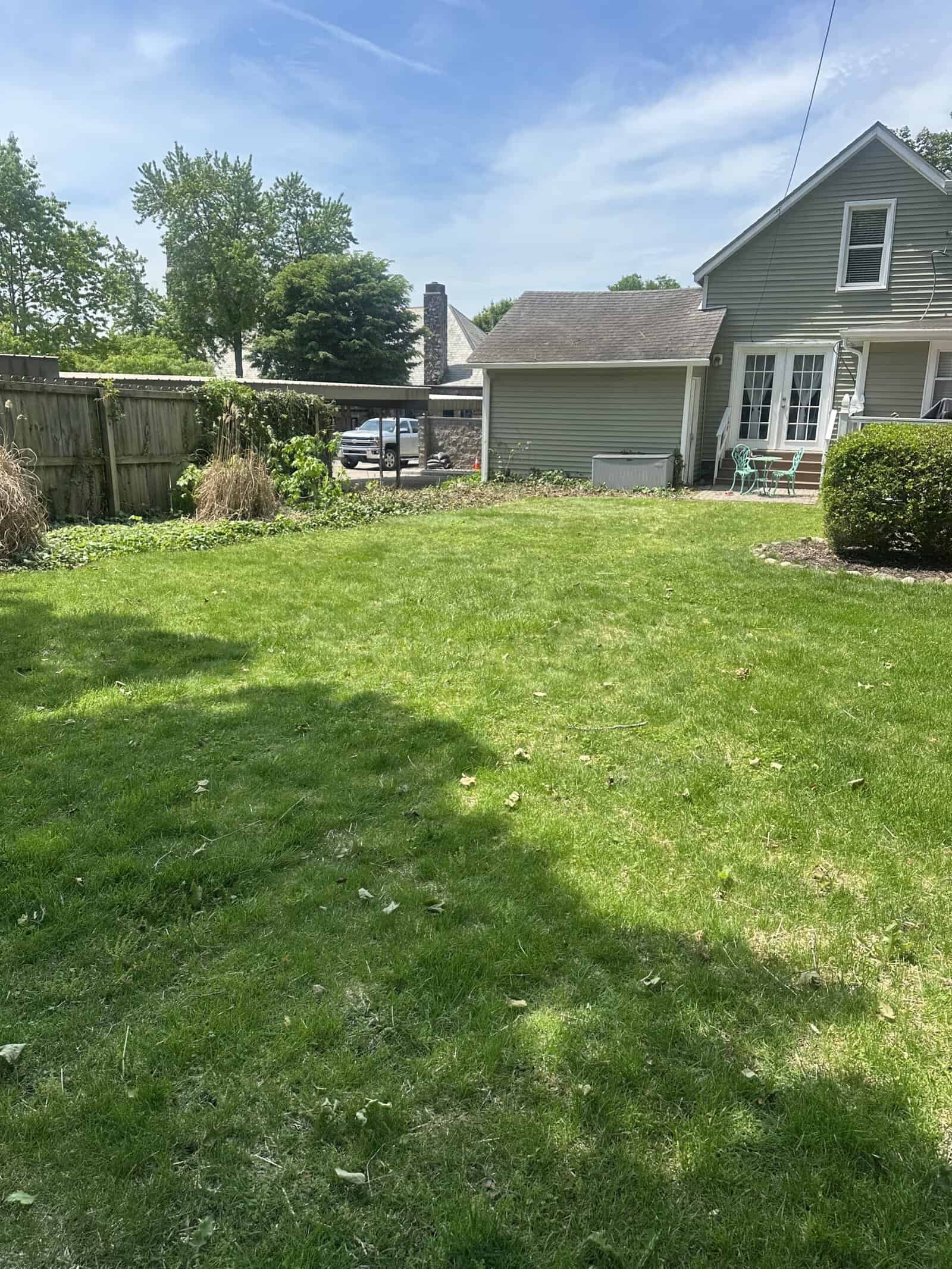
Once that stump is gone, you stop mowing around it, stop worrying about someone tripping on it, and stop looking at a reminder of a job that’s only half finished. The area is ground down, leveled out, and left ready for whatever comes next — whether that’s fresh grass, a garden bed, or just a clean yard that looks the way it should.
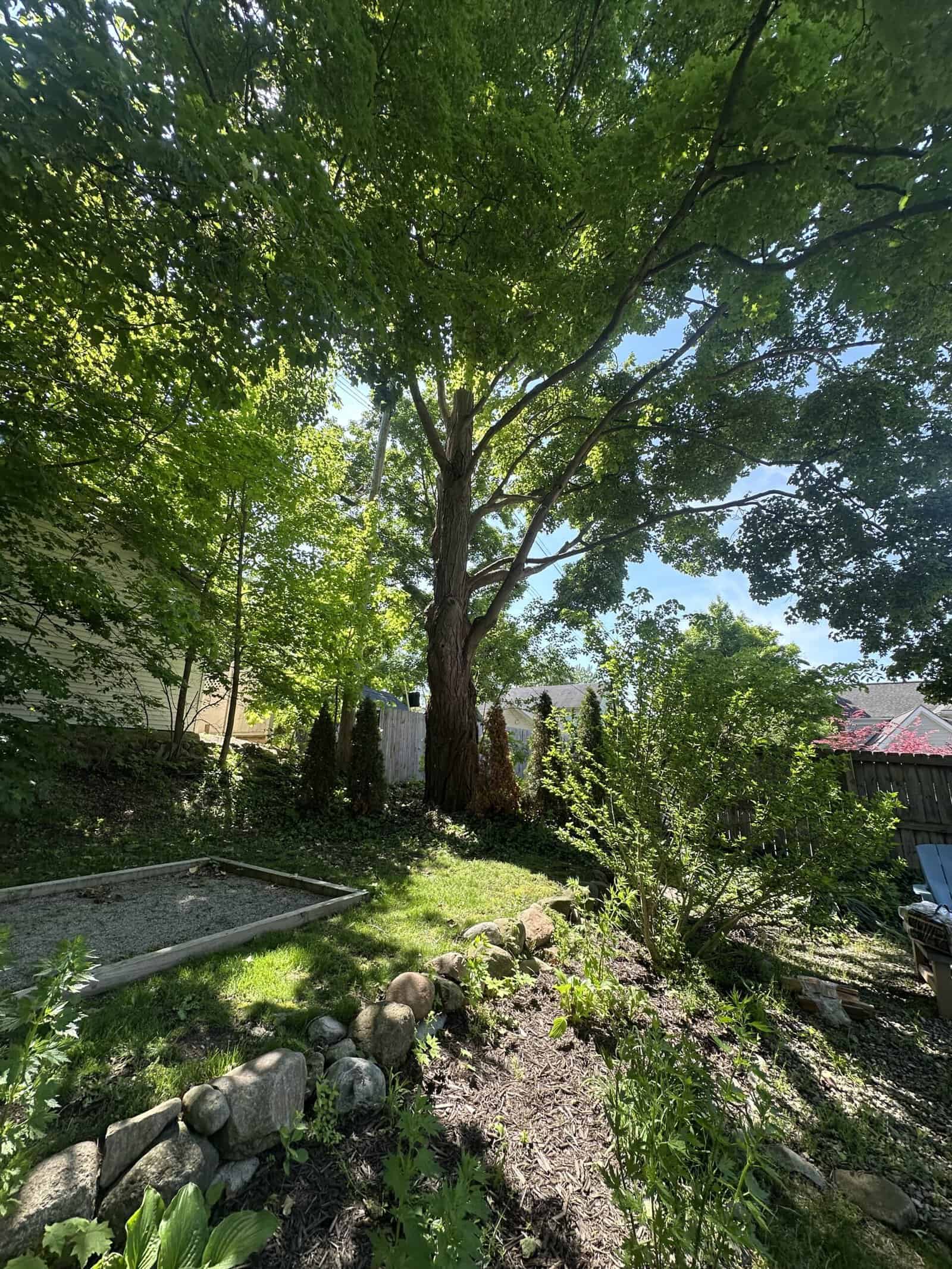
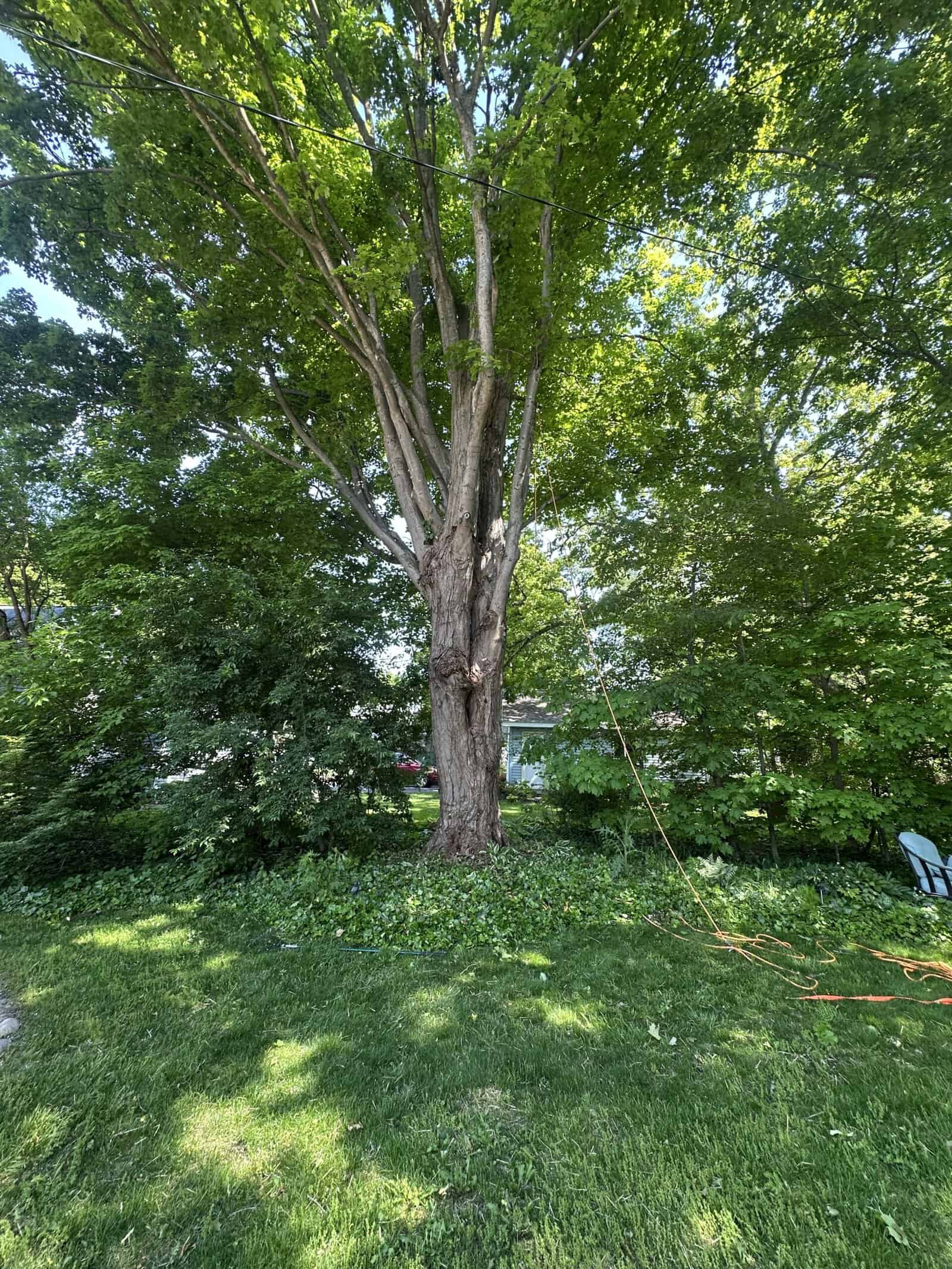
Plymouth’s housing stock tells the story. Nearly a third of homes here were built before 1939, which means the trees planted alongside them have had 60, 80, sometimes over 100 years to grow. When those trees come down — from age, storm damage, or a permitted removal — the stumps they leave behind are not small. A mature oak along Ann Arbor Trail or in the Old Village neighborhood can leave a base measuring 36 inches or more across. That’s not a job for a compact residential grinder. It requires heavy-duty equipment, proper depth, and someone who’s done this before on stumps this size.
The other piece that matters in Plymouth specifically is what’s underground. Homes this old sit on top of infrastructure that’s just as old — water lines, gas mains, sewer laterals that may not be precisely mapped. Getting the utility locate done before any grinding starts isn’t optional here. It’s the difference between a clean job and a costly mistake.
Ivan’s Tree Services LLC is an owner-operated tree care company serving Plymouth and the surrounding Wayne County area. Ivan leads every field operation himself — he’s not dispatching a crew you’ve never met. He started his career as a groundman in California, learning rigging, climbing, and safe tree removal from the ground up before bringing that experience to Michigan.
Cecilia manages all scheduling and client communication, so when you call or email, you hear back from a real person, not a voicemail that sits for three days. The team holds ISA Certified Arborist credentials and TRAQ-qualified risk assessors for larger jobs — which matters in Plymouth, where the city’s own Municipal Code requires an ISA-certified arborist assessment before any street tree can be removed.
If you’ve already been through Plymouth’s Chapter 8.20 permit process, or you’re navigating it now, we understand exactly what that involves. Every estimate is provided in writing, valid for 30 days, and no work begins until Ivan has walked the site in person.
It starts with a site visit. Ivan comes out, walks the property, looks at the stump — its size, location, what’s around it, and what you want the space to look like afterward. No phone estimates, no guessing. You get a written quote that’s clear on scope and valid for 30 days.
Before any grinding begins, underground utilities get located. In Plymouth’s older neighborhoods — Old Village, the streets around Kellogg Park, the Ann Arbor Trail corridor — the underground infrastructure can be decades old and not always mapped with precision. Michigan’s MISS DIG process (dial 811) handles this, and we require it before work starts. This protects your gas lines, water mains, and irrigation system from damage that no one wants to deal with after the fact.
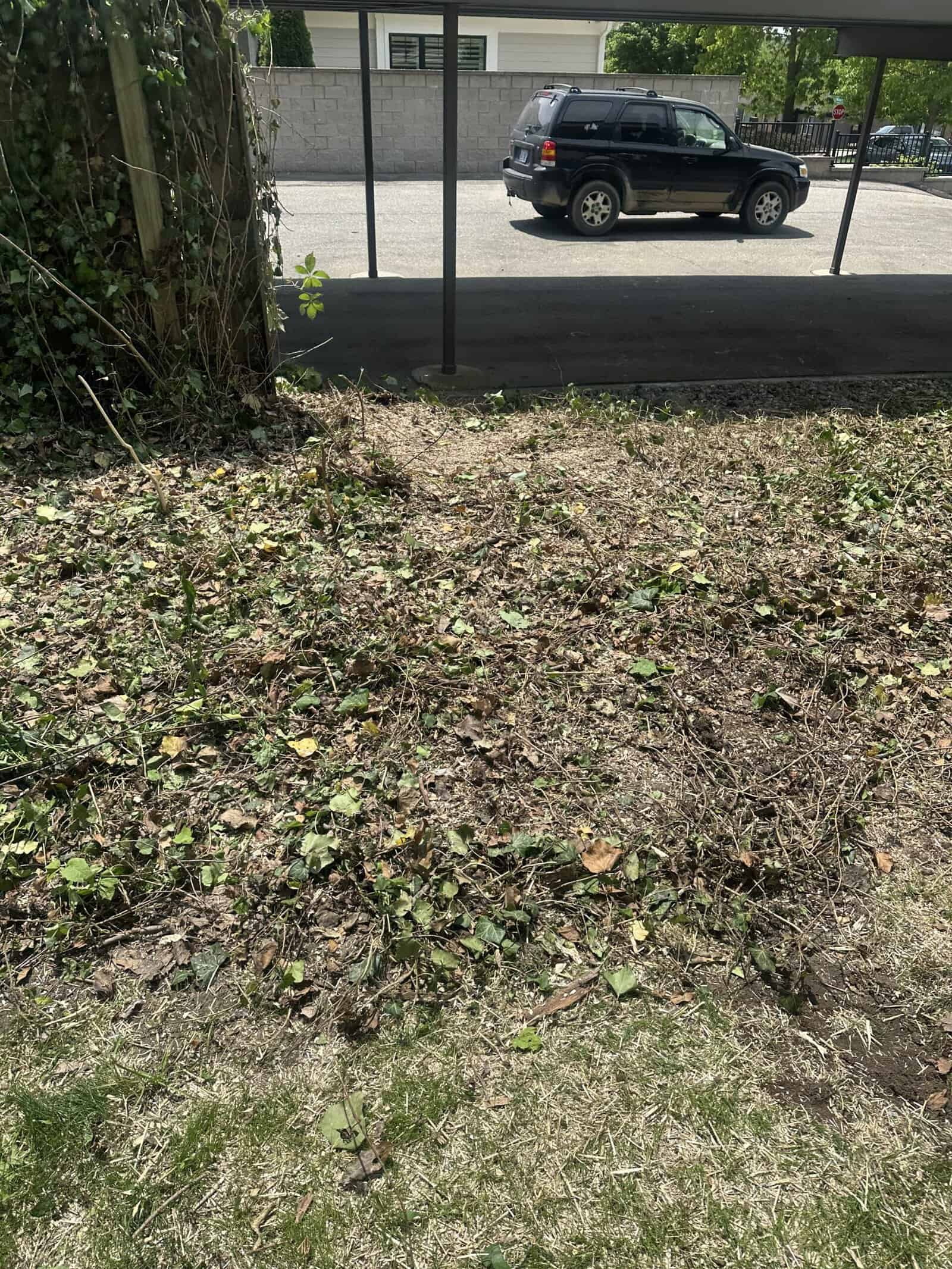
Once utilities are cleared, the grinding begins. The stump is ground down to the depth your project requires — typically 6 to 8 inches below grade for a clean, level yard, deeper if you’re planning new landscaping or construction on the spot. The process destroys the root crown, which prevents regrowth. Afterward, the wood chips are yours to direct: leave them to decompose into topsoil over the next year or two, spread them in garden beds, or have them removed entirely. The area is left level and clean. That’s the whole job.
Ready to get started?
Stump grinding in Plymouth covers more than just the visible stump. The grinding process works through the root crown — the dense mass just below the surface that’s responsible for any regrowth — and brings the entire area down to a level finish. For most residential jobs in Plymouth, that means grinding 6 to 8 inches below grade. If you’re planning to plant, build, or do significant landscaping over the area, we can go deeper.
On land clearing and larger removal jobs, we also offer same-day herbicide treatment of cut stumps. This is particularly relevant for species like silver maple — common in Plymouth’s older residential areas — which can push new shoots aggressively from the root system even after grinding. The herbicide option eliminates that risk entirely.
Stump grinding cost in Plymouth follows the industry standard of $2 to $5 per inch of diameter. A smaller stump from a younger tree runs on the lower end. A 48-inch oak from one of Plymouth’s pre-war properties runs higher. The written estimate you receive before any work starts will reflect the actual stump — not a ballpark pulled from a phone conversation. Root removal, when needed as a separate scope, runs $103 to $198 per hour depending on root spread and depth. If you’re dealing with a large stump removal in Plymouth from one of the city’s older trees, the estimate will account for the full scope so there are no surprises when the job is done.
Stump grinding itself doesn’t require a separate permit in Plymouth — but if the tree that left the stump was a Heritage or Protected Tree under Plymouth’s Municipal Code Chapter 8.20, a tree removal permit was required before that tree came down. That permit process involves a $25 application fee and, for street trees, a written condition assessment from an ISA-certified arborist submitted to the City prior to removal.
If you’ve already completed that process and the tree is down, the stump grinding is the final step — no additional permit is needed for the grinding itself. If you’re still in the planning phase and dealing with a Heritage or Protected Tree, our team has ISA Certified Arborists on staff who can provide the professional assessment Plymouth’s ordinance requires. It’s worth getting that sorted before scheduling the removal so the whole job — tree down, stump ground, area restored — can move forward without interruption.
The standard grinding depth for most residential jobs is 6 to 8 inches below grade, and that’s enough to destroy the root crown — the part of the stump responsible for producing new growth. Once the root crown is gone, the tree can’t regenerate from it. The stored energy in the remaining roots will eventually exhaust itself, and any surface regrowth stops.
That said, depth matters depending on what you’re doing with the space afterward. If you’re restoring lawn, 6 inches is typically sufficient. If you’re planting new trees, installing a garden bed, or doing any kind of construction over the area, going deeper gives you cleaner results and fewer complications. For aggressive species — silver maple is a common one in Plymouth’s older neighborhoods and can push shoots persistently — we also offer herbicide treatment of the cut stump on the same day as removal, which eliminates any regrowth risk entirely. That option is worth discussing if you’re dealing with a species known for suckering.
After grinding, you’re left with a mix of wood chips and soil where the stump used to be. You have a few options, and the choice is yours. The chips can be left in place — they’ll break down into rich, workable topsoil over roughly one to two years, which is a practical option if you’re not in a hurry to use the space. They can also be spread across nearby garden beds as natural mulch, which works well if you have planting areas that could use it. Or they can be removed entirely for a clean finish if you’re restoring lawn or preparing the space for something specific.
For Plymouth homeowners planning to restore the area, leaving the chips in place and topping with fresh soil is a common approach. If you want the area to look completely finished right away — especially in a front yard where curb appeal matters — full chip removal gives you the cleanest result. We’ll talk through what makes sense for your specific situation before the job starts.
It can, if the job is done without locating underground utilities first — and that’s a real concern in Plymouth, where homes built in the 1930s, 1940s, and earlier sit on top of infrastructure that may not be precisely mapped. Water lines, gas mains, and sewer laterals in neighborhoods like Old Village or the streets surrounding Kellogg Park can run in unexpected places, and older systems don’t always show up accurately on modern utility maps.
We require a MISS DIG locate (Michigan’s 811 utility marking service) before any grinding begins. This is non-negotiable on every job, not just the ones near known utility areas. Once underground lines are marked, the grinding is planned around them. Irrigation lines are a separate consideration — if you know where your sprinkler lines run, letting the team know before work starts helps avoid any contact. If you’re not sure, that’s worth discussing during the site visit so the approach can account for it.
Stump grinding in Plymouth is priced at $2 to $5 per inch of diameter, which is the standard rate across the industry in 2025. A smaller stump — say, a 12-inch ornamental tree — comes in at the low end of that range. A large stump from one of Plymouth’s pre-war properties, where a mature oak or silver maple might measure 40 to 60 inches across the base, will cost proportionally more, but it’s still a manageable number compared to full stump excavation, which is significantly more invasive and expensive.
The national average for a typical residential stump grinding job runs around $272. Plymouth’s older, larger-diameter stumps will often fall above that average, which is why a written estimate based on the actual stump — not a phone guess — matters. We provide written estimates after a site visit, so the number you get reflects the real job, not a ballpark that changes when the crew shows up. There are no hidden fees added at the end.
As soon as the tree is down and the immediate hazard is addressed, stump grinding can be scheduled — and in most cases, sooner is better. Plymouth has a documented history of significant summer storms. The August 2024 event made local news with downed trees and power outages across the city, and it’s not unusual for multiple properties in the same neighborhood to need cleanup at the same time following a major storm.
We offer 24/7 emergency response and are typically on-site within 60 to 90 minutes for urgent situations. For non-emergency stump grinding after a storm — once the tree itself has been removed and the stump is what’s left — scheduling within a few days is typically straightforward. The stump won’t cause additional damage sitting for a short period, but leaving it through an entire season creates a pest habitat, a tripping hazard, and a lawn maintenance obstacle every time you mow. Getting it handled while the ground is workable and before the next storm season arrives is the practical move for most Plymouth homeowners.
Other Services we provide in Plymouth
