Hear from Our Customers
When a stump finally comes out the right way, you stop mowing around it, stop watching it push up new shoots every spring, and stop wondering if something’s rotting underneath your lawn. That’s what proper stump removal in Howell actually delivers — not just a shorter stump, but a yard that’s genuinely ready for whatever comes next, whether that’s fresh grass, new landscaping, or just not thinking about it anymore.
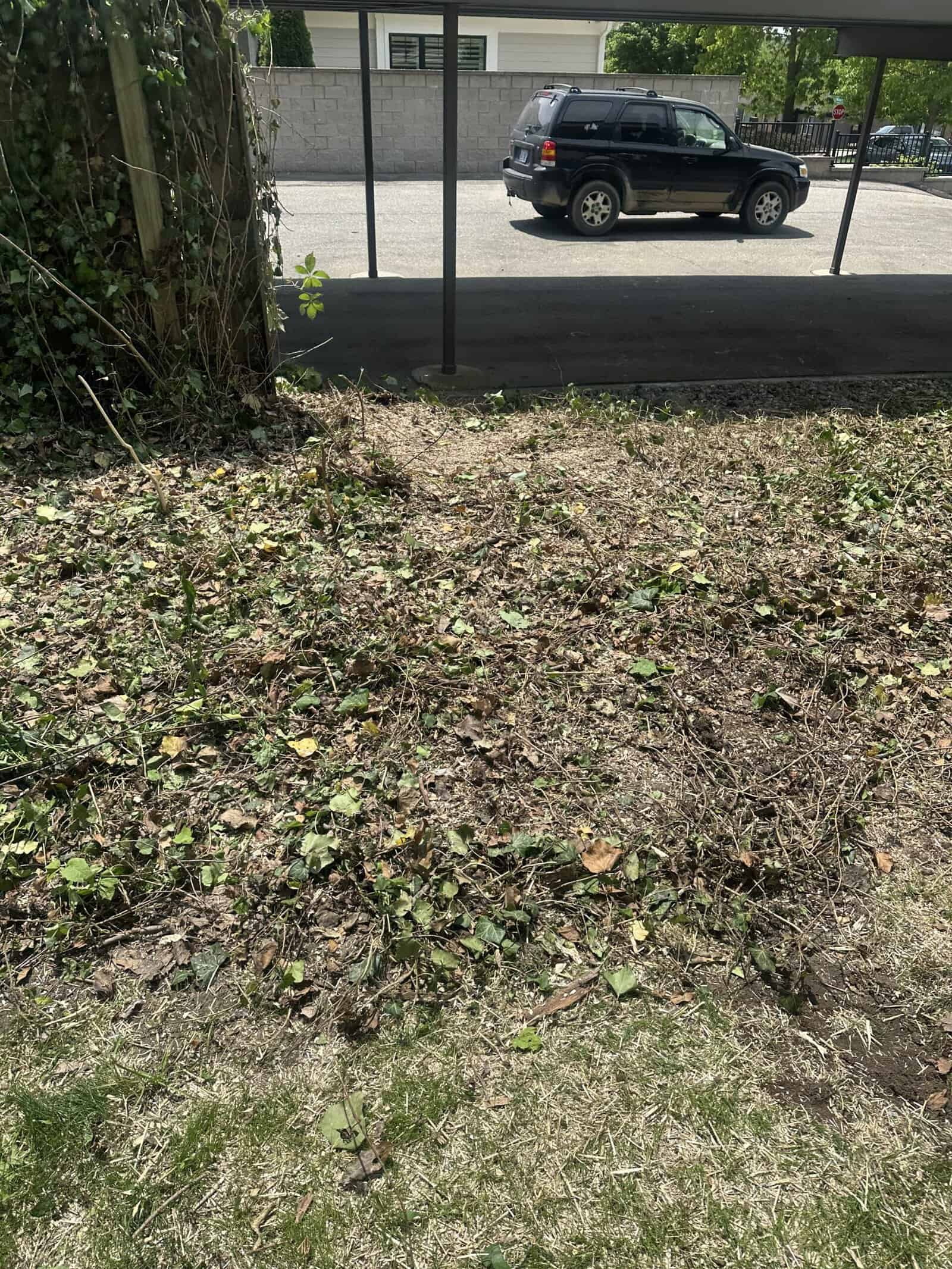
Howell’s clay soil changes the math on stump grinding in ways that most companies don’t account for. In heavy clay, tree roots spread wide and shallow instead of driving deep — which means the root system under a mature Sugar Maple or White Oak in your yard is likely larger than you’d expect, and surface root remnants are common when the job isn’t done at the right depth. Getting the grinding depth right for your intended use is what separates a clean finish from a patchy, uneven mess six months later.
The Emerald Ash Borer has also left a real mark on Livingston County properties. A lot of Howell homeowners are sitting on ash stumps from removals done years ago — stumps that have been slowly rotting in clay soil, attracting beetles, and pushing up regrowth shoots season after season. Whether your stump is fresh from last week’s storm or has been sitting since the last tree service left it behind, the result after a proper grind is the same: level ground, no regrowth, no pest habitat, and no more obstacle every time you mow.
We’re a family-run operation — I lead every job in the field, and Cecilia handles all scheduling and client communication. That means when you call, someone actually picks up and gets you on the calendar without the back-and-forth that tends to happen with larger crews. I started my career as a groundman in California, learning rigging, safe climbing, and tree assessment from the ground up before bringing that experience to southeast Michigan. I now bring over seven years of professional tree care to every property we work on in Howell and the surrounding townships.
What sets us apart from most tree service companies working in the Howell area is the credentials. We carry ISA Certified Arborists and TRAQ-qualified risk assessors on larger residential and commercial jobs — a level of certification that most local operators simply don’t hold. For Howell homeowners dealing with large-diameter stumps from mature oaks or maples, stumps near utility lines, or properties in Howell Township and the surrounding townships where conditions get more complex, that expertise matters before the grinder ever starts.
It starts with a site visit. We don’t quote stump grinding jobs over the phone, and that’s intentional — especially in Howell, where clay soil, wide-spreading root systems, and mature tree species mean the conditions on your property can look very different from what a phone conversation suggests. I walk the site, look at the stump, assess the root spread and soil conditions, and give you a written estimate valid for 30 days. No pressure, no guessing.
Before any grinding begins, underground utilities are located through Michigan’s MISS DIG (811) system. This is a legal requirement in Michigan and a step that responsible operators don’t skip — particularly in Howell’s older neighborhoods near downtown and around Thompson Lake, where irrigation lines and utility infrastructure can run close to where tree roots spread. Once utilities are confirmed clear, the grinding starts. The machine works the stump down to the depth your project requires — deeper if you’re planning to plant grass or install landscaping over the area, which is common in Howell’s clay-heavy soil conditions where post-grind restoration takes a bit more prep.
After grinding, the wood chips and debris are managed based on what you want: left as natural mulch, spread in garden beds, or removed from the property entirely. If you’re restoring the area — which often makes sense in Livingston County’s clay soil, where chips don’t integrate the same way they would in loamy ground — we also offer topsoil installation to get the area looking like the stump was never there.
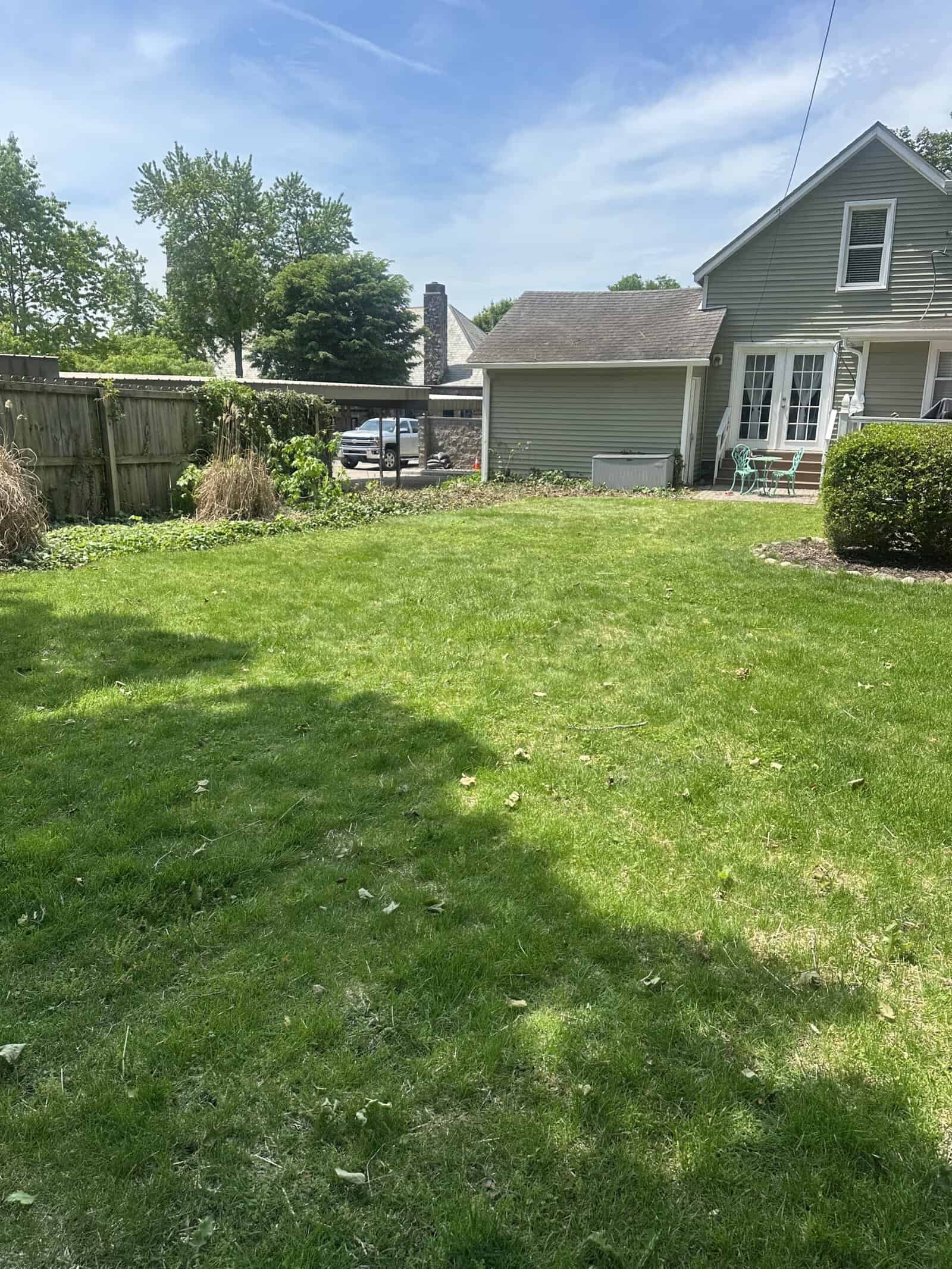
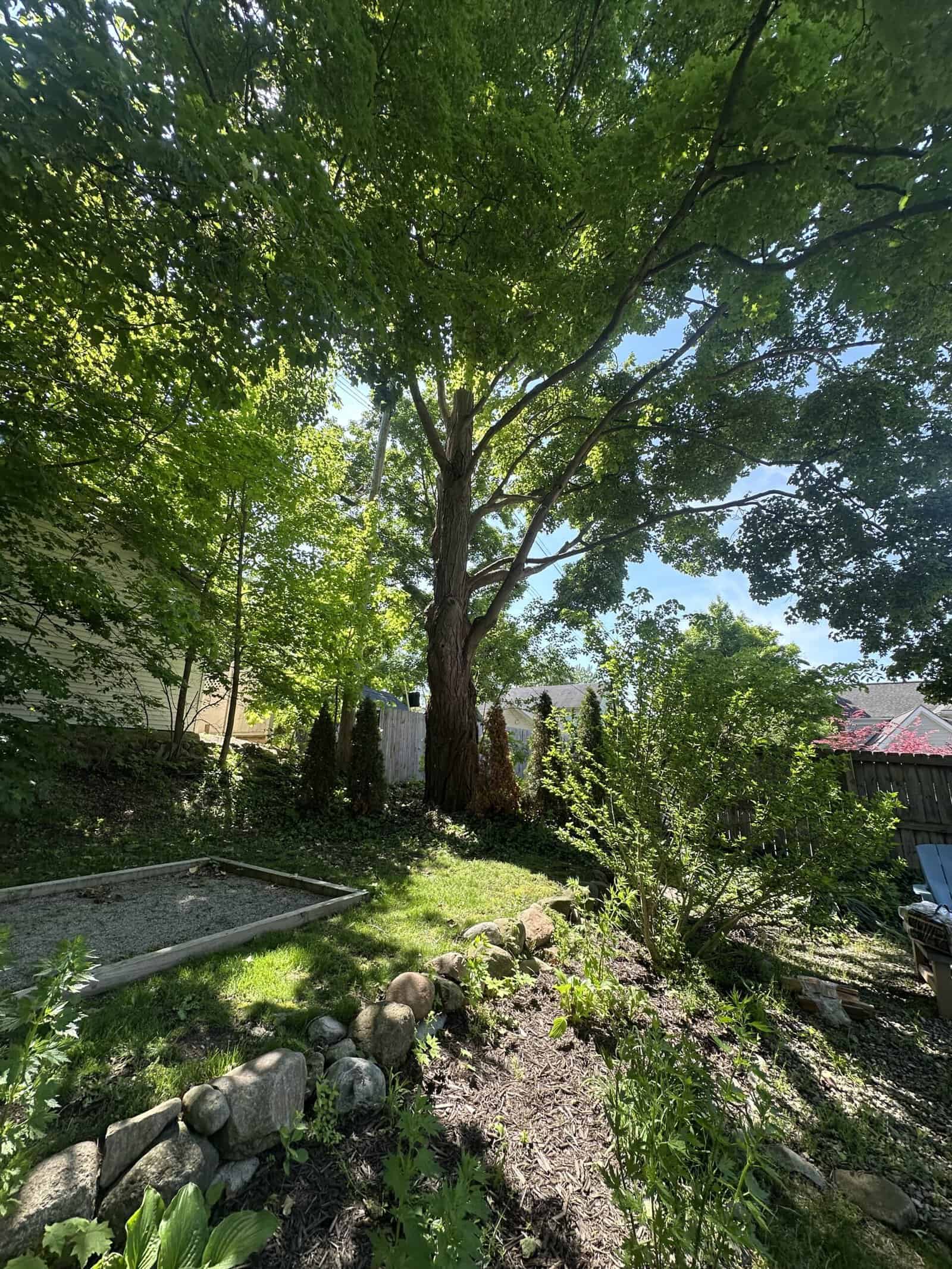
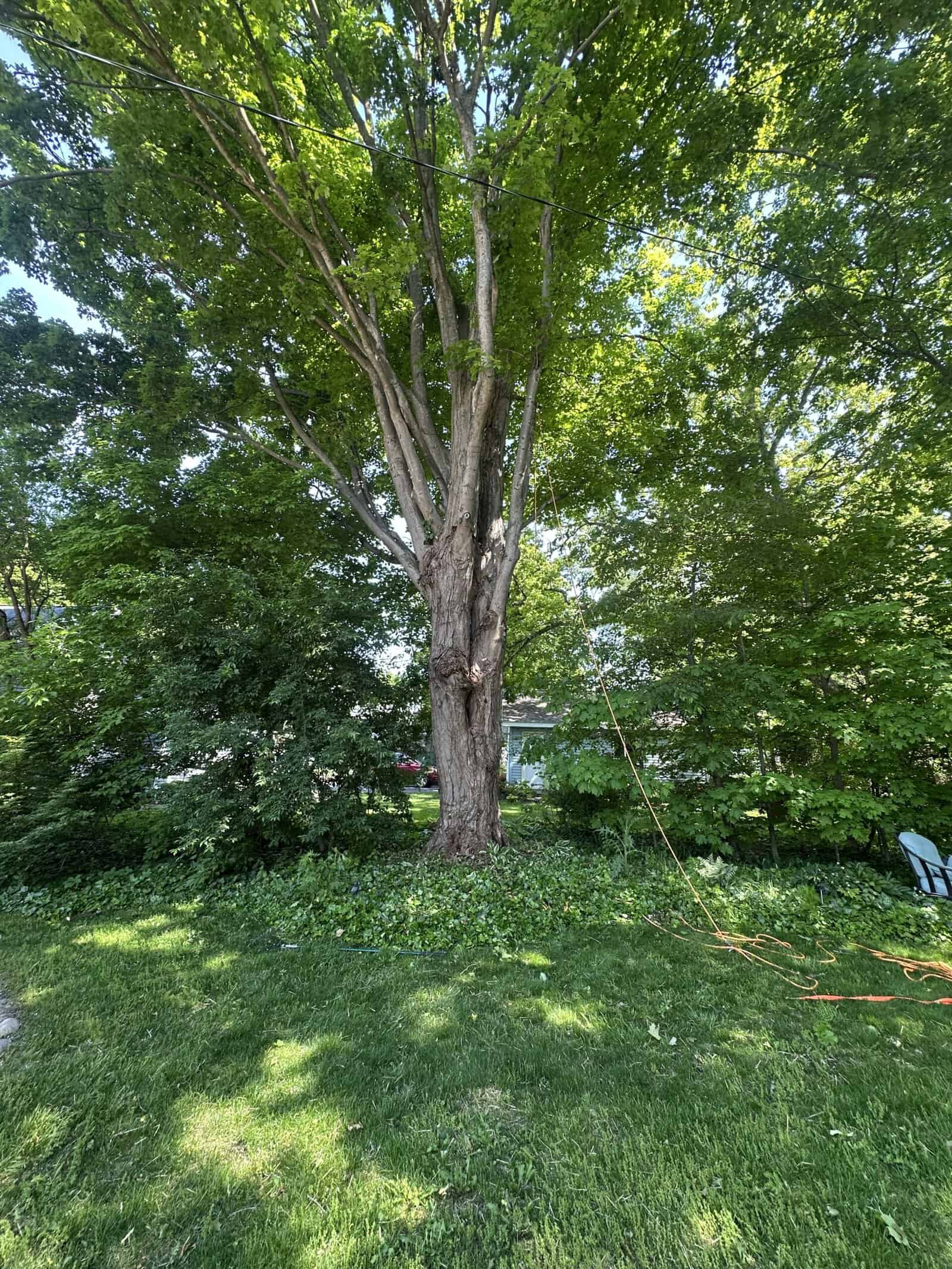
Howell’s mature neighborhoods — particularly the historic streets near downtown and the larger lots throughout Howell Township, Marion Township, and Oceola Township — are home to some seriously large trees. Sugar Maples, White Oaks, Black Walnuts, and Ash trees that have been growing for decades leave behind stumps that aren’t small, and they’re anchored in clay soil that makes the job more demanding than a standard suburban grind. Our deep grinding process is built to handle stumps of any size, including the large-diameter ones that require heavier equipment and more time to do correctly.
For properties in Howell’s subdivisions — including those along the I-96 and M-59 corridors where new construction was built on previously wooded land — stumps from land clearing are a common issue that builders didn’t always resolve. If you’re a newer homeowner who discovered a stump (or several) after your first growing season, that’s not unusual here. We handle multi-stump jobs in a single visit and can combine stump grinding with lot and land clearing services when the scope calls for it.
One thing worth knowing if you have oak trees on your Howell property: Michigan’s Oak Wilt guidelines include a recommended no-cut window for oaks from approximately April 15 through July 15. If an oak was removed during that window, or if you’re planning oak-related work, timing matters. Our ISA Certified Arborists understand these guidelines and can advise on the right approach for your specific situation — including whether herbicide treatment of the stump is appropriate to prevent regrowth from aggressive root systems common in White Oaks and other species throughout Livingston County.
The right grinding depth depends on what you plan to do with the area afterward. For a basic fill-and-level finish — filling the area with topsoil — grinding to around six inches below grade is typically sufficient to destroy the root crown and prevent regrowth. If you’re planning to plant new landscaping, install a garden bed, or do any kind of construction over the area, you’ll want to go deeper, usually eight to twelve inches.
In Howell’s heavy clay soil, this question matters more than it does in sandier ground. Clay doesn’t integrate wood chips the way loamy soil does, so even after proper grinding, you’ll often need topsoil brought in and graded to restore the area. We factor this into the site assessment — the goal is to leave the area genuinely ready for what you’re planning, not just ground down to an arbitrary depth and left for you to figure out the rest.
Regrowth after stump grinding is a real concern for certain tree species common in Howell and the surrounding Livingston County area. White Oaks, Black Walnuts, and some Maple varieties are known for aggressive root suckering — new shoots that push up from the root system even after the visible stump is gone. The key is grinding depth. When the stump is ground to at least six inches below grade, the cambium layer — the part of the root system that generates new growth — is destroyed, and regrowth stops.
For particularly aggressive species or stumps that have been in the ground for years and have extensive root systems, we offer herbicide treatment of the stump at the time of service. This is applied the same day as the grind and eliminates regrowth from the root system entirely. It’s an option worth discussing if you’ve had a stump push up shoots before or if you’re dealing with a species known for persistent regrowth in Livingston County’s soil conditions.
This is one of the most common concerns homeowners bring up, and it’s a legitimate one. Stump grinding equipment is powerful, and if underground utilities or irrigation lines run near the stump’s root zone, there’s real risk of damage if the job isn’t set up correctly. The answer is not to skip the question — it’s to handle it before the grinder starts.
We require underground utility locating through Michigan’s MISS DIG system (call 811) before any stump grinding begins. This is a legal requirement in Michigan, and it’s a step that a responsible operator doesn’t skip regardless of how routine the job looks. For homeowners in Howell’s older neighborhoods near downtown or around Thompson Lake — where irrigation systems and utility lines can run close to established tree root zones — this step is especially important. If you have a known irrigation system on your property, mention it during the site visit so the team can account for it in the grinding approach.
Stump grinding is typically priced by the diameter of the stump — the industry standard runs between $2 and $5 per inch of diameter. A smaller stump in the six-inch range costs significantly less than a large mature oak or maple that measures thirty-six inches or more across. The national average for a stump grinding job runs around $272, though jobs with multiple stumps, difficult access, or large-diameter stumps will run higher.
In Howell, where mature trees are common throughout established neighborhoods and larger lots in the surrounding townships, it’s not unusual for jobs to involve stumps on the larger end of the scale. The best way to get an accurate number is a site visit — we provide written estimates after walking the property, which means the number you get is based on what’s actually there, not a guess from a phone call. The estimate is valid for 30 days and comes with no obligation to book.
Most residential stump grinding jobs take between fifteen minutes and two hours, depending on the size of the stump, the hardness of the wood, and how far the root system extends. A large, dense stump from a mature White Oak or Sugar Maple — both common throughout Howell’s older neighborhoods — will naturally take longer than a smaller ornamental tree stump. Multi-stump jobs on larger lots in Howell Township or Marion Township can take a half day or more, but we handle the full scope in a single visit rather than splitting it across multiple trips.
On lawn damage: modern professional grinding equipment is significantly lighter than older machines, and compact grinders are designed to fit through standard thirty-six-inch gates for backyard access. That said, in Howell’s clay soil, heavy equipment can leave impressions in softer ground, particularly after wet weather. The site visit before the job gives the crew a chance to assess ground conditions and plan the best approach for equipment access, especially on properties with established landscaping or narrow gate clearances.
For routine stump grinding on private residential property in the City of Howell, there is no specific stump grinding permit required. However, there are a few local factors worth knowing. The City of Howell’s municipal code does require property owners to remove trees or vegetation that present a hazard due to disease, damage, or pest infestation — including Emerald Ash Borer-affected ash trees. If the city has issued a notice on your property, there’s a five-business-day window to comply before the city can remove the tree and place the cost plus a $75 administrative fee as a lien on the property.
If you’re in Howell Township rather than the City of Howell — which applies to a lot of properties with Howell mailing addresses — the rules are governed by the township, not the city. The two are separate jurisdictions with their own ordinances, and it’s a common source of confusion. Additionally, if your stump is near the public right-of-way — the strip between your property line and the curb — any work in that area typically requires coordination with the city or township. We handle the site assessment before any work begins, which includes flagging anything that might require a permit or city coordination so you’re not caught off guard.
Other Services we provide in Howell
