Hear from Our Customers
After a storm rolls through Novi, the visible damage is usually the easy part to deal with. It’s the stuff that isn’t obvious that creates the real risk. A tree that’s still standing after peak winds may have a cracked root plate or a compromised trunk — and in Novi’s lake-adjacent and creek-side neighborhoods, where Shaw Creek, Leavenworth Creek, and the Rouge River tributaries can saturate the ground fast, a tree that looked fine the morning after a storm can come down days later when the soil still hasn’t drained and the next wind gust arrives.
That’s why the outcome you actually need isn’t just debris removed from your yard. It’s a clear answer on what’s safe, what isn’t, and what needs to come down before the next storm puts it through your roof. We bring ISA Certified Arborists and TRAQ-qualified risk assessors to every significant job — meaning you get a professional evaluation, not just a crew with equipment.
Novi also has something most other Oakland County communities don’t: a Regulated Woodland Ordinance that protects trees 8 inches DBH or larger within designated woodland areas, and any tree 36 inches DBH or larger anywhere on private property. When storm damage involves one of those protected trees, there are permit questions to navigate. Working with a company that understands that layer of the process means you don’t end up with a compliance headache on top of storm damage.
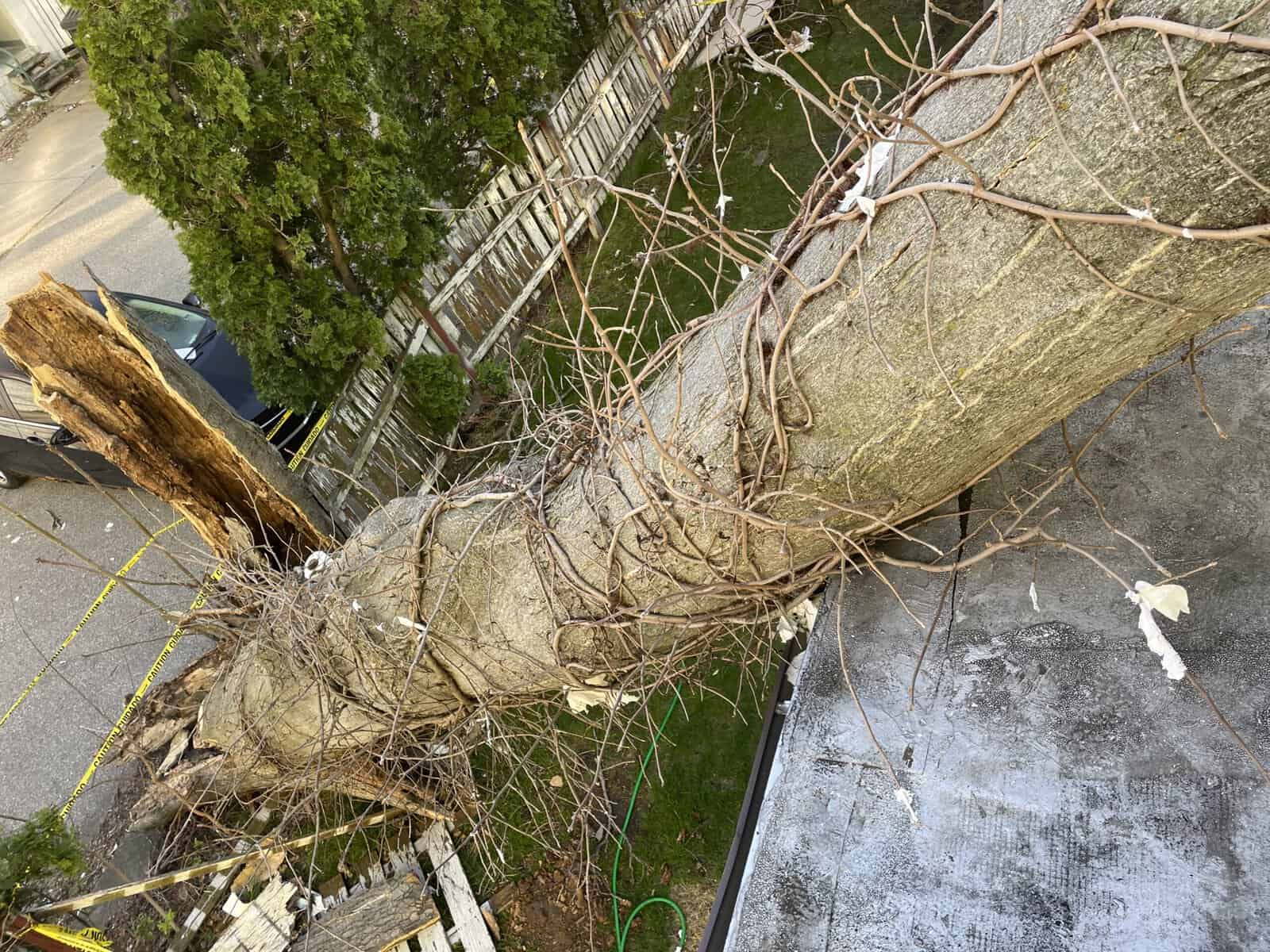
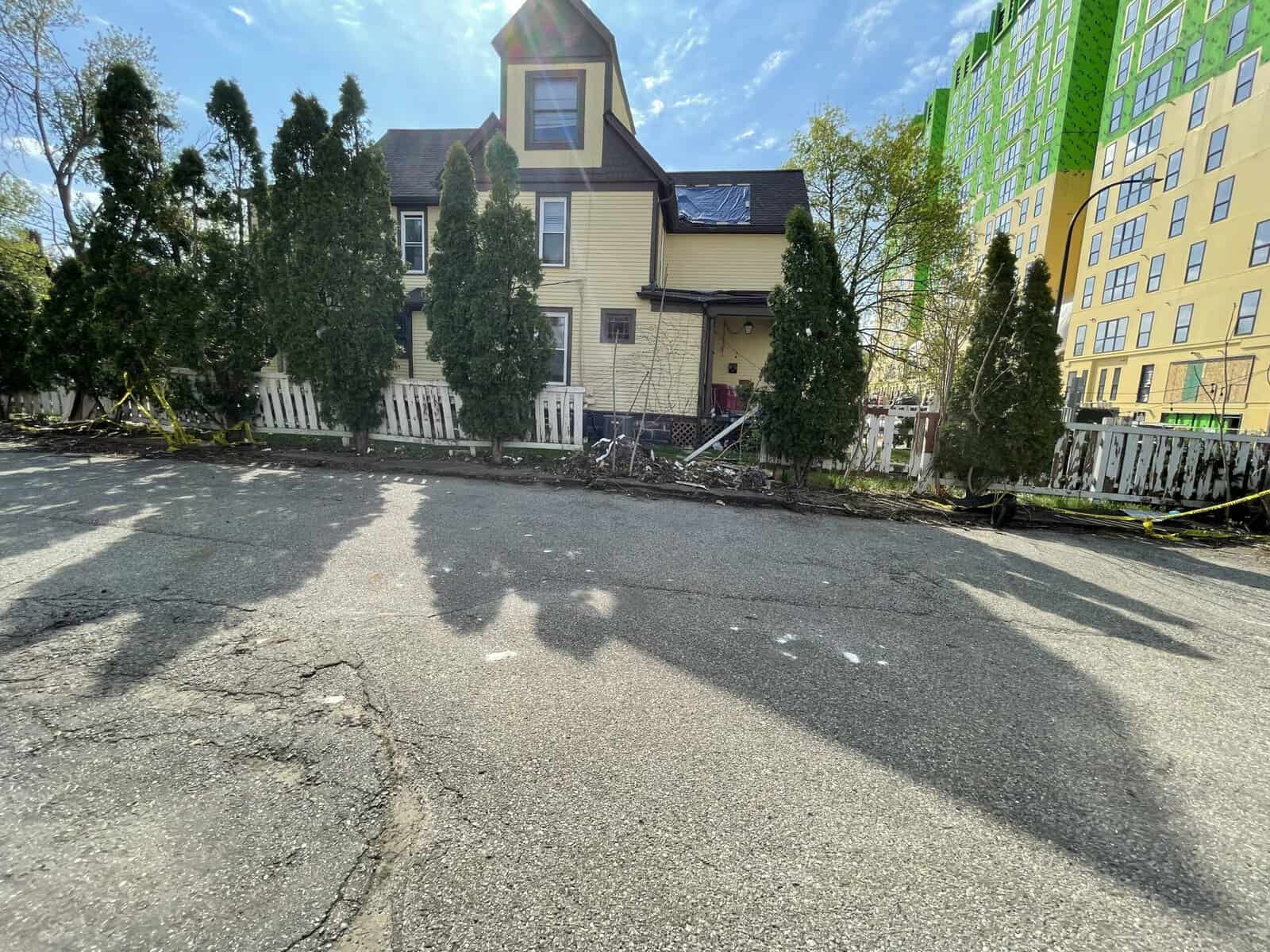
We’re based in Oakland — about 15 to 20 miles northwest of Novi in the same western Oakland County storm corridor. When a derecho or severe thunderstorm moves through the I-96 corridor, it hits the communities we serve directly, including Novi’s established neighborhoods and the wooded estate lots around Island Lake.
We’ve been operating for over seven years, and the crews that show up to your property aren’t just experienced with removal — they hold ISA Certified Arborist credentials, TRAQ risk assessment qualifications, and line-clearance arborist certification. That last one matters more than most people realize. Novi’s neighborhoods are dense with overhead utility infrastructure, and a storm-damaged tree near a DTE power line requires specialized training and equipment that most tree companies in this market simply don’t have.
We train every crew member to communicate clearly with homeowners throughout the job — before work starts, during it, and after. You’ll know what’s happening and why at every step.
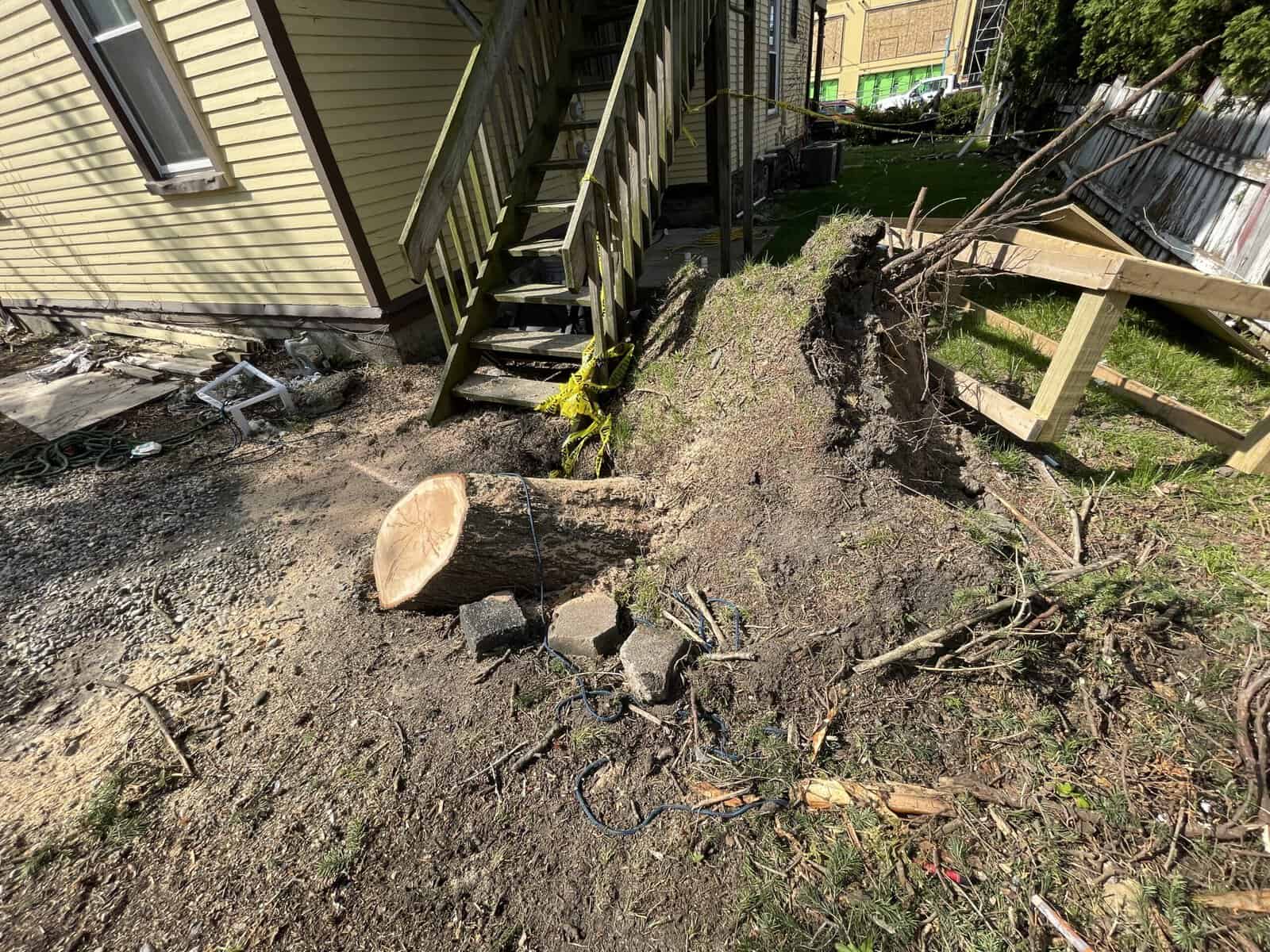
When you call us after storm damage in Novi, someone picks up — day or night. The first thing that happens is a quick conversation about what you’re dealing with: a tree on a structure, a hanging limb over a driveway, a leaning tree you’re not sure about. That context determines how fast we mobilize and what equipment we bring.
Once on site, we walk the property with you before any work begins. This isn’t a formality — it’s how we make sure the scope is clear, the hazards are identified, and you understand exactly what’s going to happen. For jobs involving trees in Novi’s regulated woodland areas, this walkthrough also includes an assessment of whether the damaged tree qualifies under the city’s hazard exemption, which can determine whether a Woodland Use Permit is required before removal. That’s a question worth getting right before the chainsaw starts.
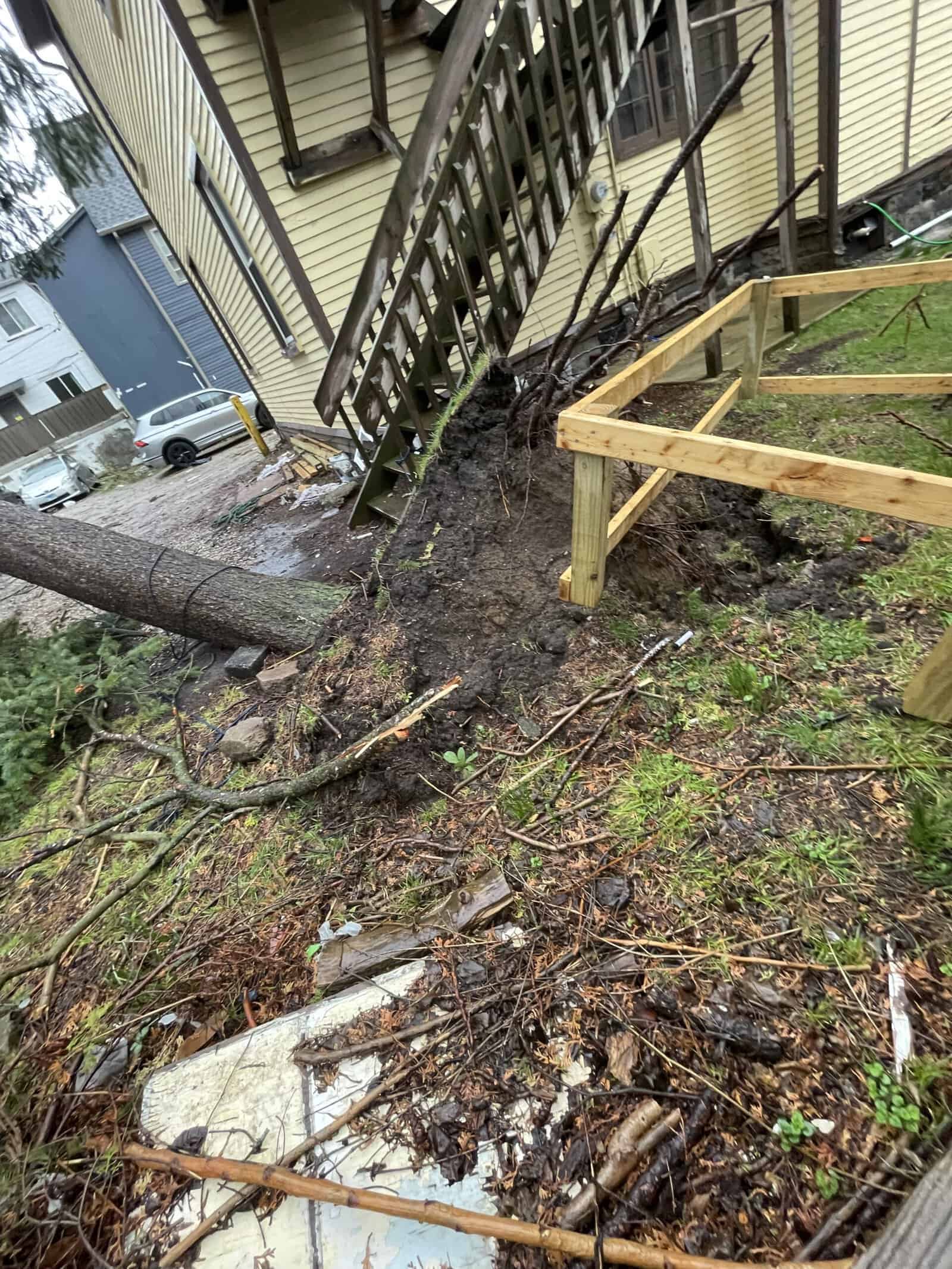
The removal itself is sequenced carefully — controlling the fall path, protecting surrounding structures and landscaping, and working safely around any overhead utility lines using line-clearance certified techniques. When the work is done, the site is cleaned completely. Debris, wood chips, and any drag marks from equipment are addressed before we leave. You do a final walkthrough with the team, and if anything doesn’t look right, it gets handled on the spot.
Ready to get started?
Storm damage in Novi covers a wider range of situations than most homeowners expect. The most urgent calls are obvious — a fallen tree on a roof, a downed tree blocking a driveway off Beck Road or Meadowbrook Road, a large limb that came through a fence in one of the newer subdivisions near Ten Mile. Those get handled as true emergencies, and our 24-hour availability exists specifically for those situations.
But a significant portion of post-storm work in Novi involves hazardous limbs that didn’t fall — they’re hanging. These are what arborists call widow-makers: branches that are partially detached, under tension, and liable to drop without warning. In Novi’s older established neighborhoods, where mature oaks and maples have been growing for 40 or 50 years, these limbs can weigh several hundred pounds. They look stable from the ground. They are not.
We also handle emergency tree clearing for access situations — driveways, roads, and pathways blocked by downed trees — as well as post-storm tree health assessments for trees that survived but may be structurally compromised. For Novi homeowners in regulated woodland areas, this assessment matters practically: if a damaged tree can be preserved through structural pruning or cabling, you avoid the permit process, the replacement obligation under Chapter 37, and the loss of a mature tree that took decades to reach its current size. Not every storm-damaged tree needs to come down, and knowing the difference is part of what a TRAQ-qualified arborist brings to the job.
It depends on the tree and where it’s located on your property. Novi’s Regulated Woodland Ordinance — Chapter 37 of the city code — protects trees 8 inches DBH or larger within designated regulated woodland areas, and any tree with a 36-inch DBH or larger anywhere on private property. Normally, removing one of those trees requires a Woodland Use Permit from the city before work begins.
The exception is hazard removal. If a tree is damaged to the point that it poses an immediate threat to public safety, health, or welfare, the City Forester can determine that the hazard condition exempts it from the standard permit process. That determination needs to be documented properly. When we respond to a storm damage call in Novi involving a potentially protected tree, our ISA Certified Arborist on the job can assess whether the damage meets that hazard threshold and help you understand what documentation supports a permit exemption. Getting this right upfront saves you from a compliance issue after the fact.
This is one of the most common and genuinely important questions after a storm. A tree can survive peak wind gusts and still be structurally compromised in ways that aren’t visible from the ground. Signs worth taking seriously include a lifted or cracked root plate at the base of the tree, a new lean that wasn’t there before the storm, bark splits running vertically along the trunk, or major scaffold branches that are cracked but haven’t dropped yet.
In Novi specifically, the flooding risk from waterways like Shaw Creek, Leavenworth Creek, and the Rouge River tributaries adds another layer. When the ground around a tree’s root system stays saturated for days after a storm, the mechanical anchoring that holds the tree upright is significantly weakened. A tree that looked fine the morning after the storm can fail a week later under much lighter conditions. A TRAQ-qualified risk assessment — which we provide — gives you a professional, documented evaluation of whether a tree is stable or needs to come down before it makes that decision on its own.
Get everyone away from the area and don’t go back under the tree to retrieve anything. A tree that has partially fallen onto a structure is under unpredictable load and tension — it can shift or drop further without warning, especially if the root plate is still partially attached and moving. If there are any downed or sagging power lines near the tree, treat the entire area as energized and stay well clear.
Once everyone is safe, call us. Our 24-hour emergency line exists for exactly this situation. While you’re waiting, take photos of the damage from a safe distance — this documentation is useful for your homeowners insurance claim. Standard homeowners policies typically cover tree removal when a tree has damaged a covered structure, though the specific coverage limits vary by policy. Your insurer will want documentation of the damage before removal begins, so photos taken before the crew arrives can support your claim. We’ll assess the situation on arrival and walk you through what needs to happen before any work starts.
Yes — and this is a capability that genuinely separates us from most competitors in this market. Line-clearance arborist certification is a specialized credential that requires dedicated training, specific equipment, and a separate category of liability insurance. It qualifies a crew to work safely around energized utility lines — not just near them, but in contact with them. Most tree companies operating in Oakland County do not hold this certification.
In Novi, this matters because overhead utility infrastructure runs through virtually every residential neighborhood — along Ten Mile, Twelve Mile, Grand River Avenue, Haggerty Road, and through the interior streets of nearly every subdivision. When a storm brings a tree down into DTE lines, the removal isn’t just a tree job — it’s a line-clearance job. Sending an uncertified crew into that situation creates serious risk for the workers and potential liability for you as the property owner. Our line-clearance certified arborists are trained and equipped to handle these removals correctly.
We don’t publish fixed pricing online because the cost of storm damage removal depends on too many job-specific variables to quote accurately without seeing the site. Tree size, species, how it fell, what it’s resting on or near, whether utility lines are involved, and how accessible the property is all affect the scope and the price. What we commit to is providing a written estimate before any work begins — no surprises, no charges that weren’t discussed upfront.
What’s worth knowing about post-storm pricing generally is that emergency rates reflect real factors: the urgency of the response, the complexity of working around damaged structures and live utility lines, and the equipment required to do the job safely. Collecting a few quotes is reasonable if the situation isn’t immediately dangerous. If it is dangerous — tree on a roof, hanging limb over a driveway, compromised tree near a structure — the cost of waiting typically exceeds the cost of acting. Multiple independent reviewers have specifically called out our pricing as fair and transparent, including one who compared five quotes and chose us as the best value.
Not every storm-damaged tree needs to be removed, and in Novi this question has real practical weight. Under Chapter 37 of the city’s Regulated Woodland Ordinance, removing a protected tree can trigger a replacement requirement of up to four trees for every one removed, using approved native Michigan species. If your property doesn’t have room for the required replacements, you pay into a city replacement fund instead. That’s a meaningful cost and process to go through if the tree could have been preserved.
An ISA Certified Arborist can evaluate whether a storm-damaged tree is a candidate for structural pruning, cabling, or bracing — interventions that can stabilize a damaged tree and extend its life safely. The determining factors are the extent of the structural damage, the species and overall health of the tree before the storm, and where the damage occurred in the crown or trunk. We make these assessments as part of the post-storm evaluation process. The honest answer is sometimes the tree does need to come down — but that determination should come from a qualified arborist who’s actually looked at it, not a crew that defaults to removal because it’s simpler.
Other Services we provide in Novi
