Hear from Our Customers
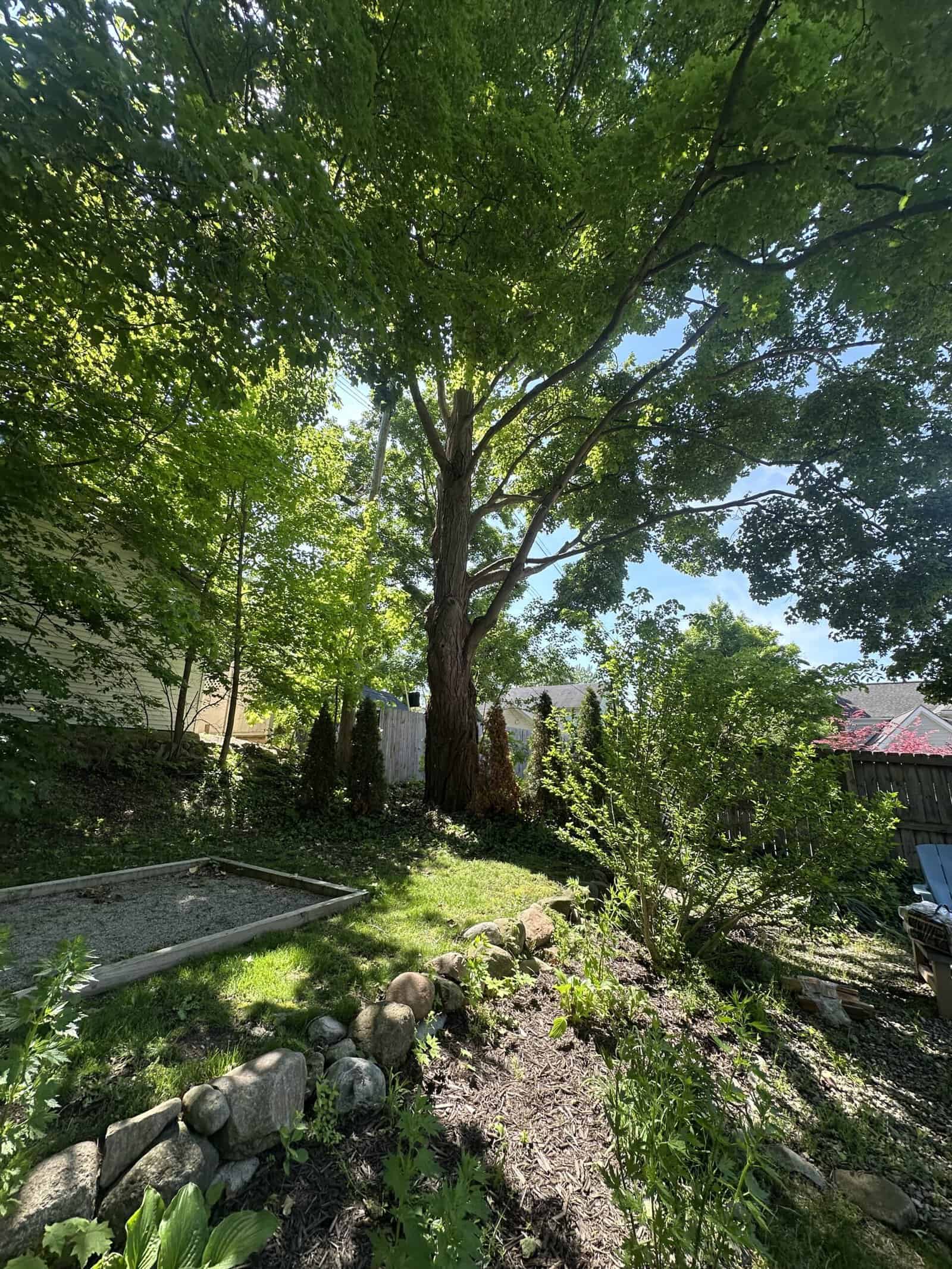
Troy’s residential neighborhoods were built mostly between the 1960s and 1990s. That means the trees in those yards — the oaks along Oak River East, the maples shading Bailey’s Vineyards, the mature canopy throughout Stone Haven Woods — are now 30 to 60 years old. At that age, trees don’t just grow. They develop structural issues, accumulate deadwood, and become genuinely hazardous if nobody’s paying attention to them.
Professional tree pruning in Troy removes that risk before it becomes a problem. Crown thinning lets wind move through the canopy instead of pushing against it — which matters a lot, where spring thaw storms and summer supercells have brought down thousands of trees in a single event. Deadwood removal takes away the branches most likely to fail over your roof, your fence, or your car before the next storm gives them a reason to.
Beyond safety, there’s the straightforward reality of what a well-maintained tree does for a home in Troy’s market. Redfin scores Troy’s housing market at 87 out of 100 for competitiveness, with average home prices around $490,000. Mature trees — properly maintained ones — add measurable value in a market like this. Research from the USDA Forest Service puts that number at an average of $10,000 for Midwest properties with mature trees. Neglected or improperly pruned trees do the opposite.
We’re a family-owned company, serving Troy and the broader metro Detroit area with over seven years of hands-on tree care experience. I lead every field operation personally and train every crew member — not just in technique, but in how to communicate clearly with homeowners and treat their property with care. Cecilia handles scheduling and customer communication directly, so when you reach out, you’re talking to someone accountable, not a call center.
What separates us from a lot of what you’ll find in Troy is the credentials behind the work. Expert arborists and TRAQ-qualified risk assessors are on every commercial and large residential job. We also hold line-clearance certification — meaning our team is trained and insured to work near energized utility lines, which matters along Rochester Road, Big Beaver Road, and the residential corridors running off I-75.
Every job starts with a site walk and a written estimate. No work begins until you’ve reviewed the scope and agreed to it. That’s not a sales pitch — it’s just how we operate on every property, every time.
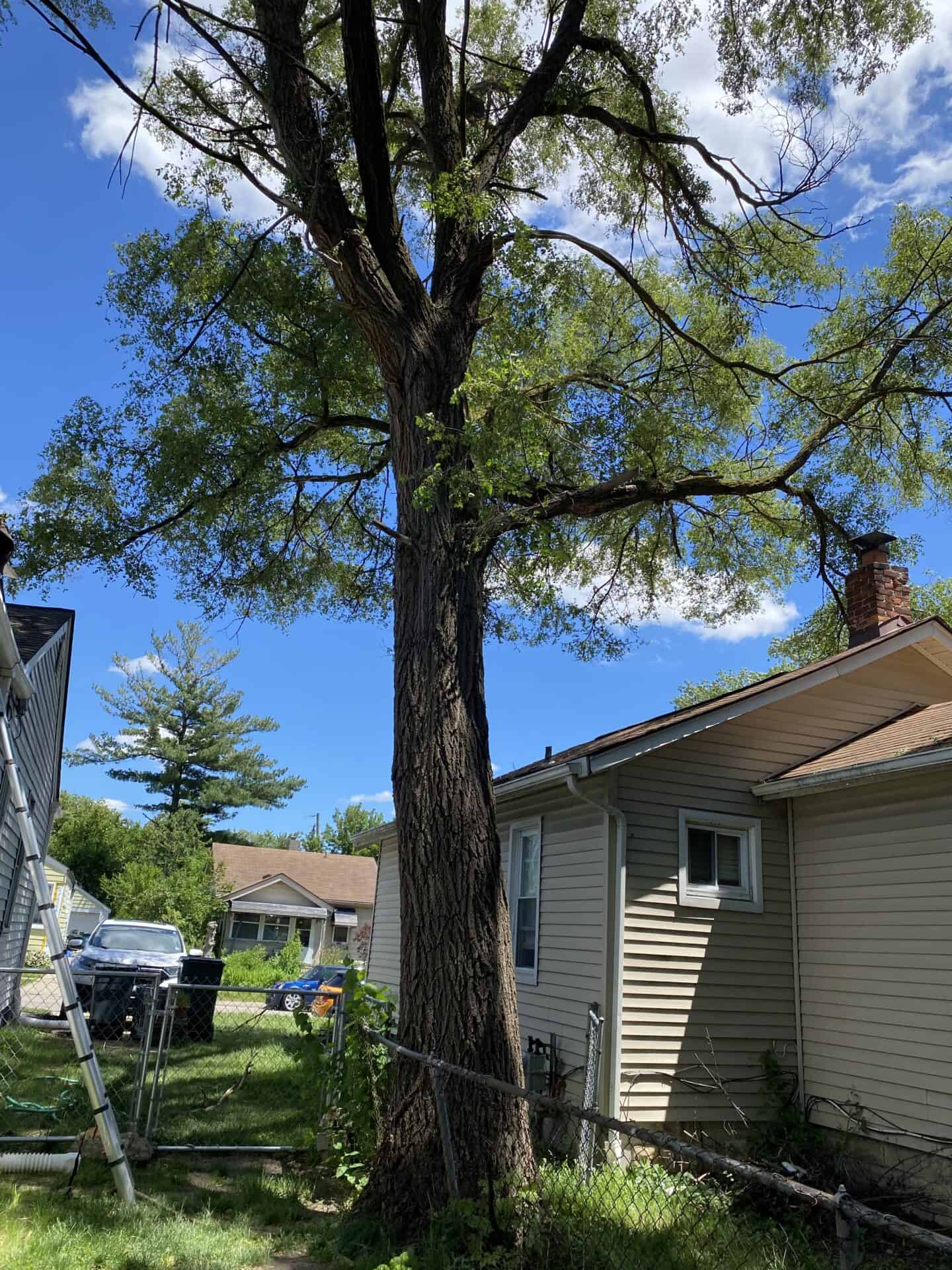
It starts before anyone touches a tree. I or a member of our credentialed team walks your property with you, looks at every tree in question, and talks through what needs to happen and why. You get a written estimate with a clear scope of work before anything is scheduled. No assumptions, no surprises.
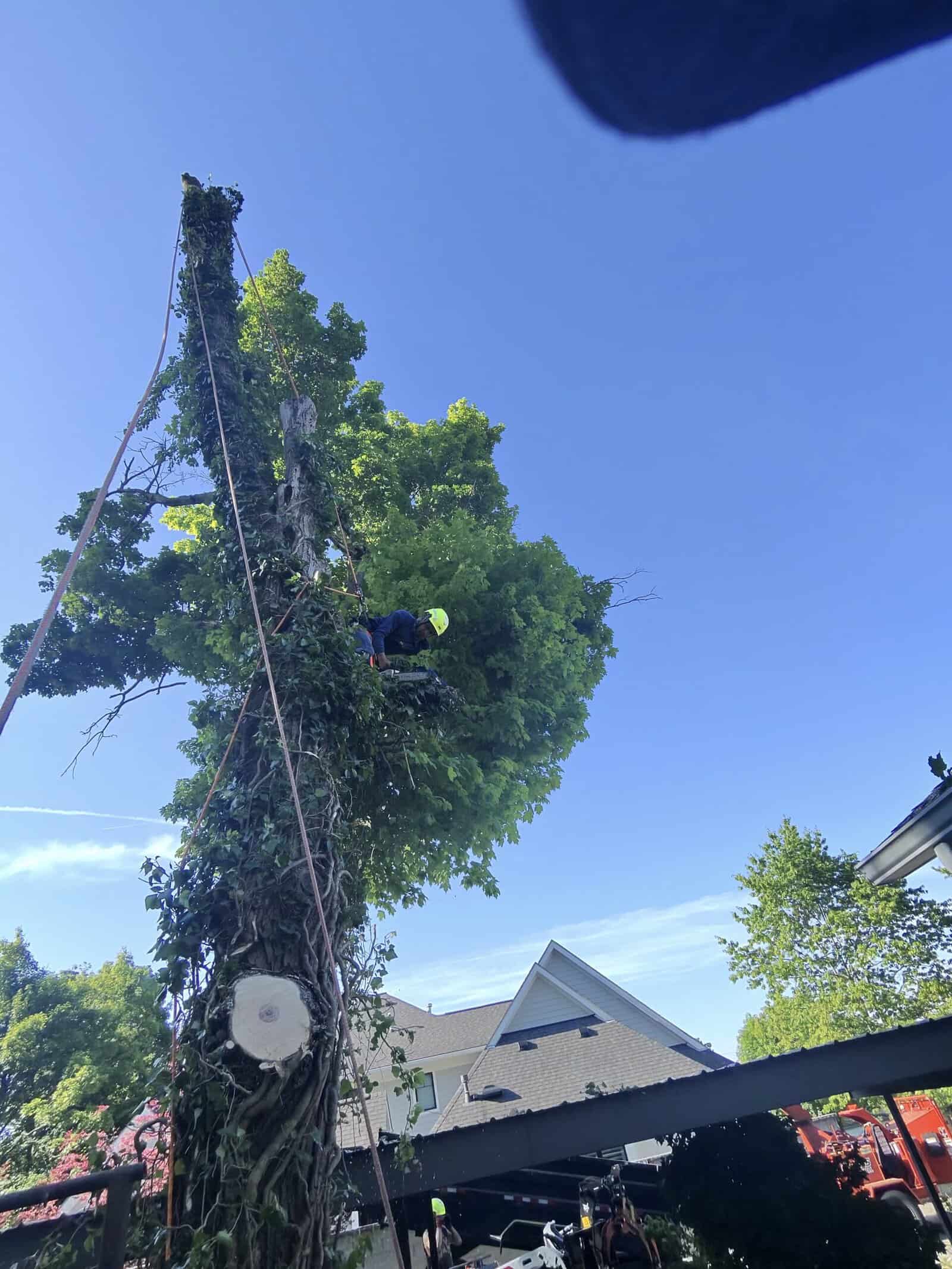
Once work begins, the approach depends on what each tree actually needs. Crown thinning selectively removes interior branches to reduce wind resistance and improve light and airflow through the canopy — this is one of the most effective things you can do for a mature oak or maple heading into storm season. Crown reduction brings a tree back to a manageable size while keeping its natural form intact. Deadwooding removes branches that are already dead, dying, or structurally compromised. All of it is done following ANSI A300 standards — the national benchmark for professional pruning that prohibits topping, flush cuts, and the use of climbing spikes on trees being pruned.
Timing matters here too. If you have oak trees on your property — and a lot of Troy yards do — they need to be pruned between November 1 and March 31. Pruning oaks outside that window, when sap beetles are active, can introduce oak wilt, an incurable disease that spreads through root grafts and can take out multiple trees. Troy’s city code also requires property owners to keep branches trimmed back from sidewalks to at least eight feet above the walkway, so if that’s an issue on your property, we address it as part of the scope. When the work is done, our crew cleans up completely — debris removed, site left in better shape than it was found.
Ready to get started?
Tree pruning from Ivan’s Tree Services covers the full range of what a mature tree in Troy might need: crown thinning, crown raising, crown reduction, and deadwood removal. These aren’t interchangeable — each one addresses a specific issue, and the right approach depends on the tree’s age, species, structure, and location on your property. An expert makes that call, not a crew working from a generic checklist.
For properties along Troy’s major corridors — near Big Beaver Road, Rochester Road, or the residential streets running off I-75 — tree work near utility lines requires line-clearance certified arborists with specialized utility insurance. We carry both. For commercial properties, corporate campuses, and condominium communities throughout Troy’s 21 million square feet of office and commercial space, we bring TRAQ-qualified risk assessors who can evaluate structural risk on large-canopy trees in high-traffic areas and document findings in writing.
Every service includes a pre-work site walk, a written estimate, and complete debris cleanup. Storm history — documented tornado warnings covering Troy as recently as April 2026, plus ice events that have knocked out power for hundreds of thousands of residents — makes preventive pruning one of the most practical things a Troy homeowner can do before the next weather event. If something comes up after hours or mid-storm, our emergency response is available 24/7, with typical on-site arrival within 60 to 90 minutes.
For most deciduous trees in Troy, late fall through early winter is the ideal window — roughly November through early March. During that period, trees are dormant, the structure is fully visible without foliage, and the risk of disease transmission is significantly lower because most insects and fungal pathogens are also dormant.
For oak trees specifically, this timing isn’t just a recommendation — it’s a hard rule. Oak trees in Michigan must be pruned between November 1 and March 31 to prevent oak wilt, a lethal and incurable disease spread by sap beetles that become active once temperatures climb above 50°F. Troy has a significant oak tree population, and local arborists explicitly flag oak wilt as an active concern in this area. If you’re not sure whether your trees include oaks, an expert can identify them during the site walk before any work begins. Elm trees carry a similar restriction due to Dutch elm disease, so dormant-season pruning applies there as well.
These are two distinct techniques with different goals, and mixing them up can lead to the wrong work being done on your trees.
Crown thinning removes select branches from the interior of the canopy to improve airflow and light penetration without significantly changing the tree’s overall size or shape. It’s particularly effective for mature shade trees that have become dense over time — reducing wind resistance so the tree handles storm conditions better rather than acting like a sail. For Troy homeowners with large maples or oaks in established yards, crown thinning every three to five years is a reasonable maintenance schedule.
Crown reduction is different. It reduces the overall size of the tree by shortening the outermost branches back to lateral growth points, maintaining the tree’s natural form while bringing it to a more manageable height or spread. This is the correct approach when a tree has grown too close to a structure, a utility line, or a property line — and it’s categorically different from topping, which is a harmful practice that leaves large, unprotected wounds and produces structurally weak regrowth. A qualified arborist will never recommend topping as a solution.
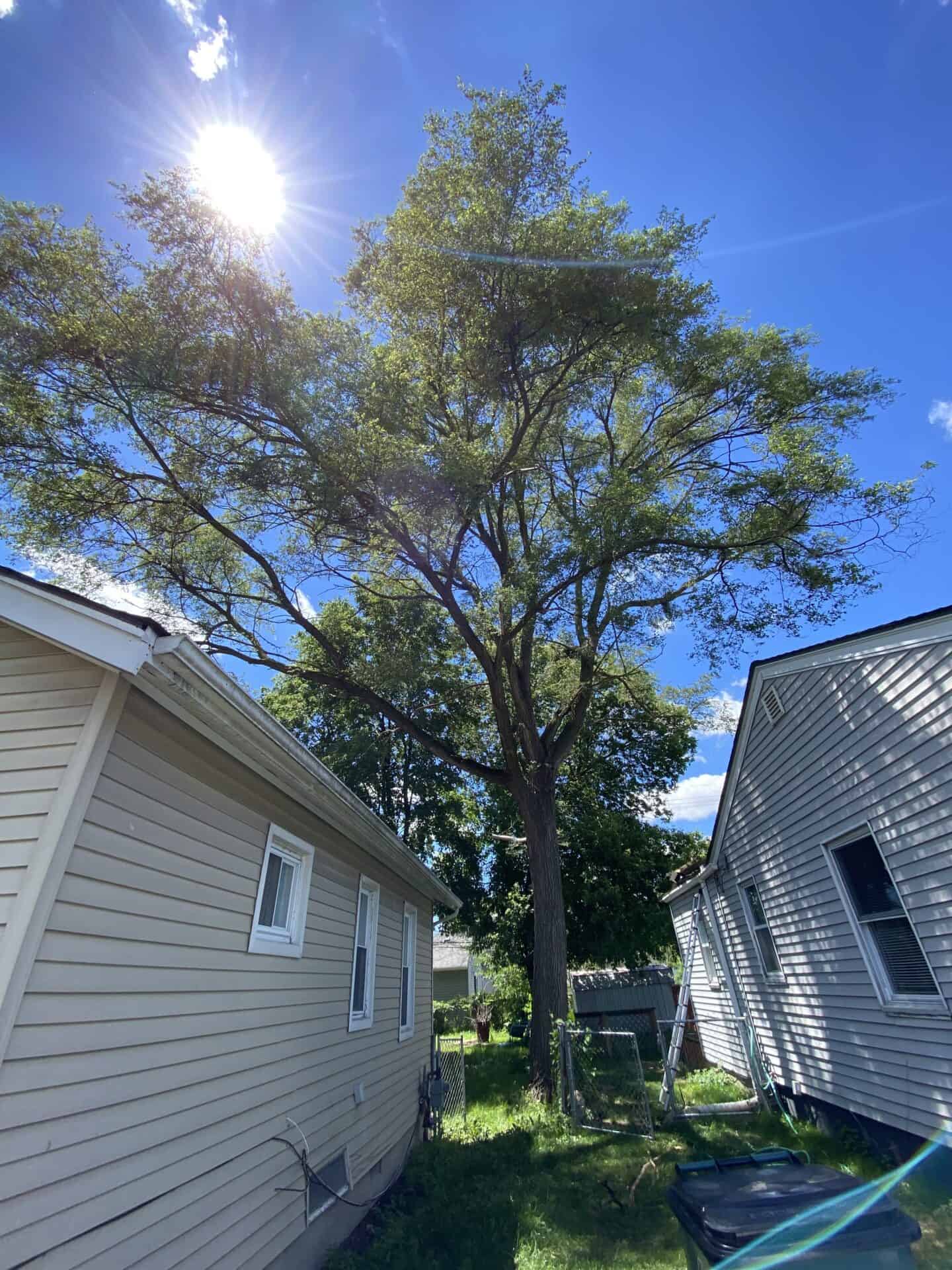
There are a few things worth looking at before you call anyone. Dead or hanging branches are the most obvious sign — if you can see branches with no leaves during the growing season, or branches that are visibly broken and suspended in the canopy, those need to come down. Crossing branches that rub against each other create wounds that invite disease and decay over time, so those are worth addressing too.
Beyond the obvious, look at the canopy density. If your tree has become so thick that very little light gets through, that’s a sign crown thinning is overdue. For Troy properties with trees near the house, check whether any branches are growing toward the roofline or hanging over the structure — those become serious risks in an ice storm or a high-wind event.
If you’re not sure, the safest move is to have an expert walk the property and assess. We do that before any work is quoted or scheduled, so you’re not paying for a recommendation that’s also a sales pitch. You get an honest assessment of what’s needed, what can wait, and why.
Yes, and it’s worth knowing before a code enforcement notice shows up. Troy’s city code places the responsibility for sidewalk clearance on the adjacent property owner. Branches that hang over public walkways must be trimmed back to at least eight feet above the sidewalk — the City does not perform this maintenance for private property owners, and it is actively enforced through Troy’s code enforcement portal.
For trees in the public right-of-way — the strip of land between the sidewalk and the road — the City of Troy’s Department of Public Works has jurisdiction. Private parties are not permitted to prune, remove, or otherwise alter those trees without authorization from the City. If you’re unsure whether a specific tree falls on your property or in the right-of-way, that’s something to clarify before any work begins.
We can assess sidewalk clearance as part of the pre-work site walk and include it in the scope of work if it’s needed. It’s a straightforward fix that’s easy to handle while a crew is already on-site, and it keeps you in compliance without requiring a separate service call.
In Troy’s market, yes — and the numbers support it. Redfin scores Troy’s housing market at 87 out of 100 for competitiveness, with average home prices around $490,000. In a market that competitive, curb appeal isn’t just cosmetic — it’s a factor in how quickly a home sells and what it sells for.
USDA Forest Service research puts the average value added by mature trees in the Midwest at around $10,000 per property. Broader peer-reviewed studies put the range at 7 to 19 percent of home value depending on tree size, species, and condition. The key word there is condition. A mature oak or maple that’s been properly maintained — structurally sound, well-shaped, no deadwood, no crossing limbs — reads as an asset to buyers and appraisers. One that’s been neglected or improperly topped reads as a liability and a future expense.
If you’re preparing to list, getting professional pruning done before photos and showings is one of the higher-return maintenance investments available to you. We can typically complete pruning on a standard Troy residential property in a single day, with full cleanup included.
The two things that matter most are credentials and insurance — and both are verifiable before you hire anyone.
On the credentials side, look for experts. There is a public directory where you can search any arborist’s name and confirm their certification is current. This credential requires passing a comprehensive exam and completing ongoing continuing education — it’s not a license that gets handed out freely. If a company says they have ISA-certified arborists on staff, you can check it. For larger jobs or trees with structural concerns, TRAQ (Tree Risk Assessment Qualification) is an additional ISA credential worth asking about — it’s specifically designed for evaluating tree risk, which is directly relevant when you’re dealing with mature trees near a home or structure.
On the insurance side, ask for proof of both general liability and workers’ compensation before work starts. This matters more than most homeowners realize. If a crew member is injured on your property and the company doesn’t carry workers’ compensation, you can be held personally liable. Michigan doesn’t have a blanket statewide licensing requirement for tree services, which means the credential and insurance check is entirely on you as the homeowner. We carry both, and the documentation is available before any work is scheduled.
Other Services we provide in Troy
