Hear from Our Customers
There’s a real difference between mulch that looks good for two weeks and mulch that actually works through a Michigan growing season. Properly installed organic mulch cuts soil moisture evaporation by roughly 35%, which matters a lot when you’re maintaining the kind of established plantings that define a Bloomfield Hills property. You’re not protecting annuals you planted last spring — you’re protecting trees and perennial borders that took decades to establish.
Weed pressure is the other side of it. A 2–3 inch mulch layer applied correctly can reduce weed germination by up to 90%, which means your formal beds stay looking the way they should through summer without constant intervention. On a property with multiple garden zones — front entry, specimen tree rings, rear entertaining areas, woodland borders — that adds up to a significant reduction in ongoing maintenance.
Bloomfield Hills is also projected to see more extreme heat days over the coming decades. Mulch buffers both ends of Michigan’s climate: it keeps soil cooler during summer heat and protects root systems from the freeze-thaw cycles that stress established plantings every winter. That’s active protection for a landscape worth what yours is worth.
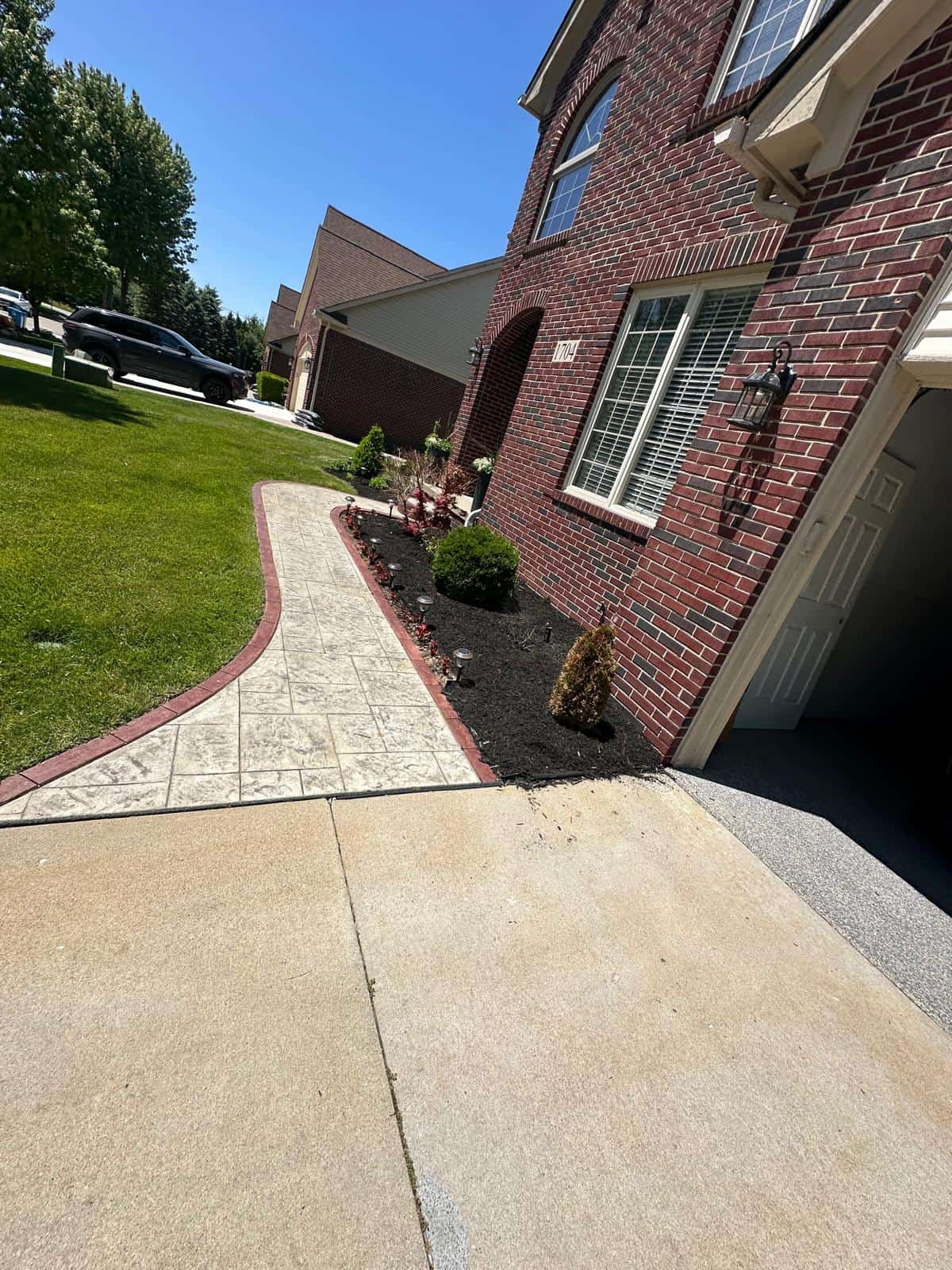
We’re based in Oakland, right here in Oakland County. Ivan has 7-plus years of hands-on tree care experience — starting as a groundman in California learning the foundations of rigging, pruning, and tree-health assessment before bringing that background to Michigan. We’re not a landscaping crew that added mulch to our menu. We’re a tree care professional who understands how trees interact with the soil around them.
When we install mulch on a Bloomfield Hills property, we apply it the way the ISA says it should be applied: 2–3 inches deep, root flare fully exposed, nothing piled against the trunk. In a community that’s been a Tree City USA since 1978 and actively enforces a tree protection ordinance with Landmark Tree designations, that distinction matters. We have certified arborists on staff, we’re licensed and insured, and every estimate is provided in writing before any work begins.
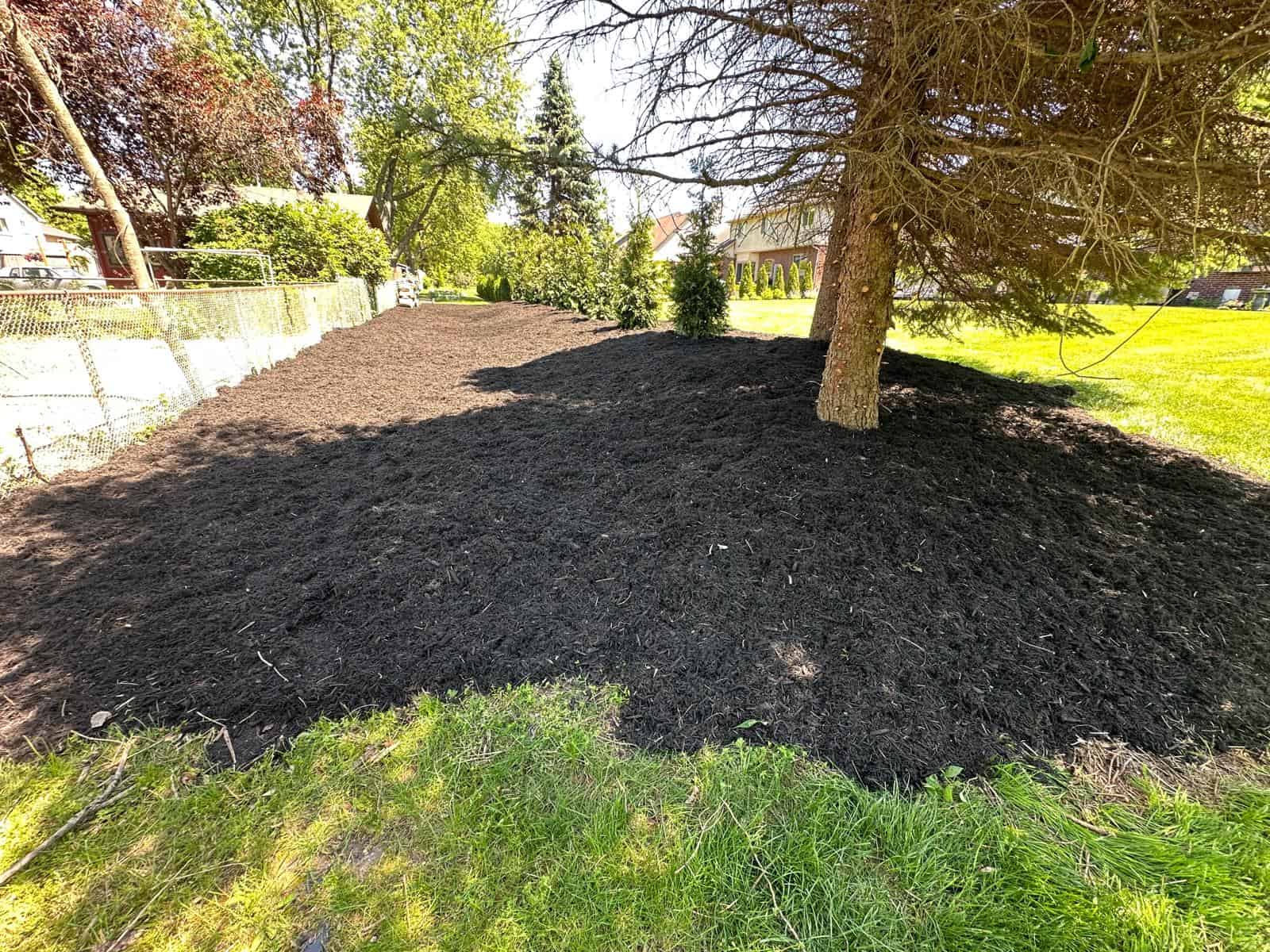
It starts with a written estimate. We document everything in writing before any work begins — volume, coverage area, materials, and total cost. That’s not a formality; it’s how the process is supposed to work, and it’s especially important on a larger Bloomfield Hills property where the job scope and cubic yardage can be substantial. You know exactly what you’re getting before anyone shows up.
Once the estimate is confirmed, our crew handles bed preparation before a single yard of mulch goes down. That means raking and aerating any existing mulch to break up compaction, clearing debris, and making sure the beds are ready to receive fresh material properly. Skipping this step is one of the most common ways mulch installation underperforms — weeds push through faster, depth is inconsistent, and the whole thing breaks down sooner than it should.
Timing matters here too. In Oakland County, the spring mulch window runs roughly late April through mid-May — after the soil has warmed but before summer heat sets in. Applying too early insulates cold soil and delays plant growth. We know this, and we’ll tell you honestly if the timing isn’t right rather than rush a job that won’t hold up. If you’re also coming off a tree removal or stump grinding, we can handle mulch installation and topsoil all in the same service visit — no need to coordinate a separate contractor.
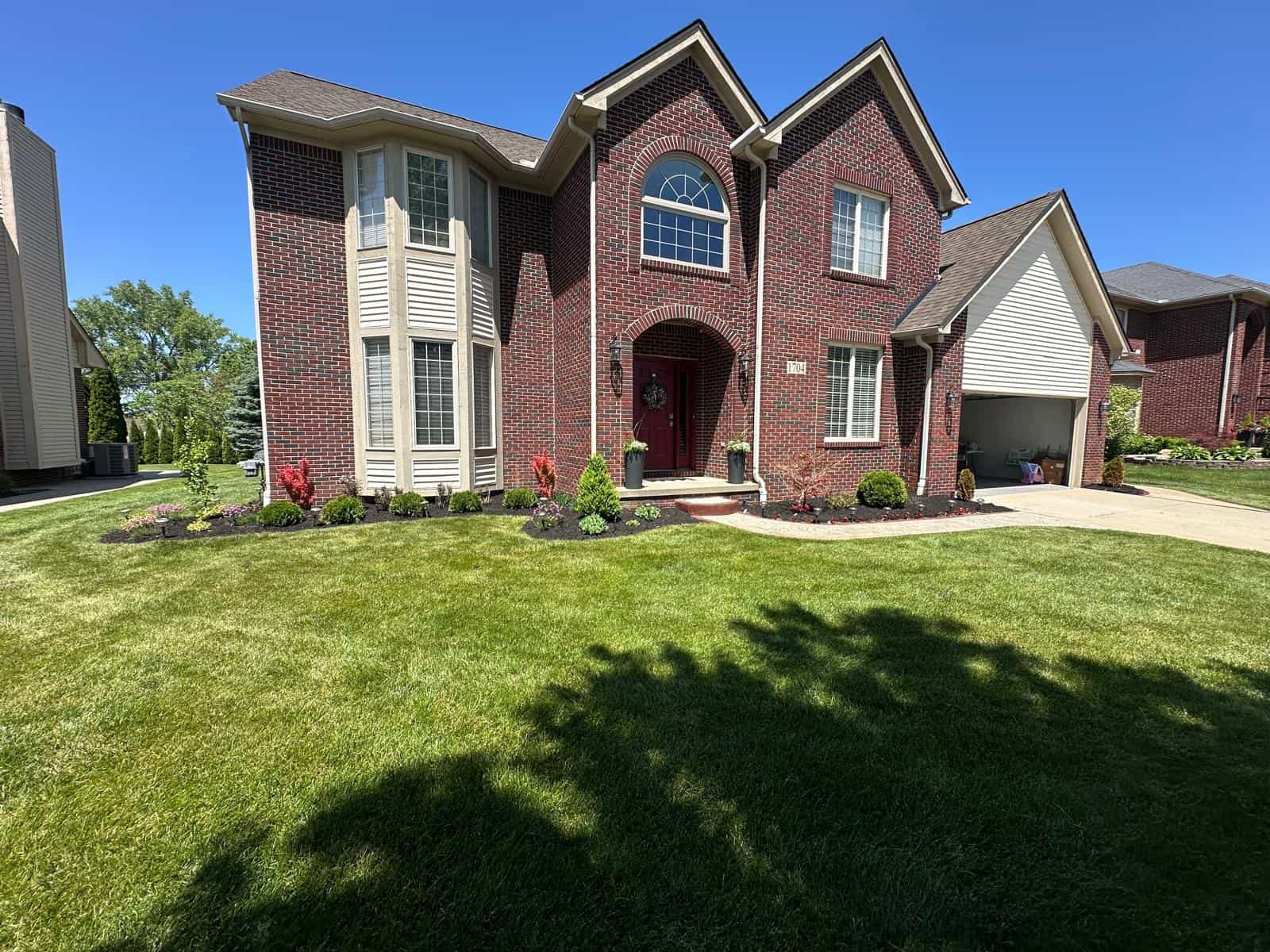
Ready to get started?
Mulch installation through our company covers the full process — not just the delivery and spread. Bed prep is part of the job: existing mulch gets raked and aerated, debris is cleared, and the beds are properly prepared before fresh material goes down. We use repurposed wood chip material generated from our own tree removal and trimming work in Oakland County. Fresh arborist wood chips — containing bark and leaf material — are considered some of the best mulch available for trees and large shrubs by the ISA. It’s locally sourced, eco-conscious, and genuinely different from bagged dyed material from a landscape supply yard.
For properties in Bloomfield Hills that have recently gone through a tree removal — which, under the city’s tree and woodlands protection ordinance, involves building department plan review and an approved landscape plan — mulch installation is often the natural next step. The disrupted soil and exposed root zones left after a removal are exactly where proper mulch does its most important work: suppressing opportunistic weeds, protecting soil structure, and beginning the landscape restoration process. We can handle the full scope in one service relationship, from the tree removal through the stump grinding and into the mulch and topsoil that completes the job.
There are no named service packages — services are scoped and priced individually based on your property’s specific needs, with everything confirmed in a written estimate before work begins.
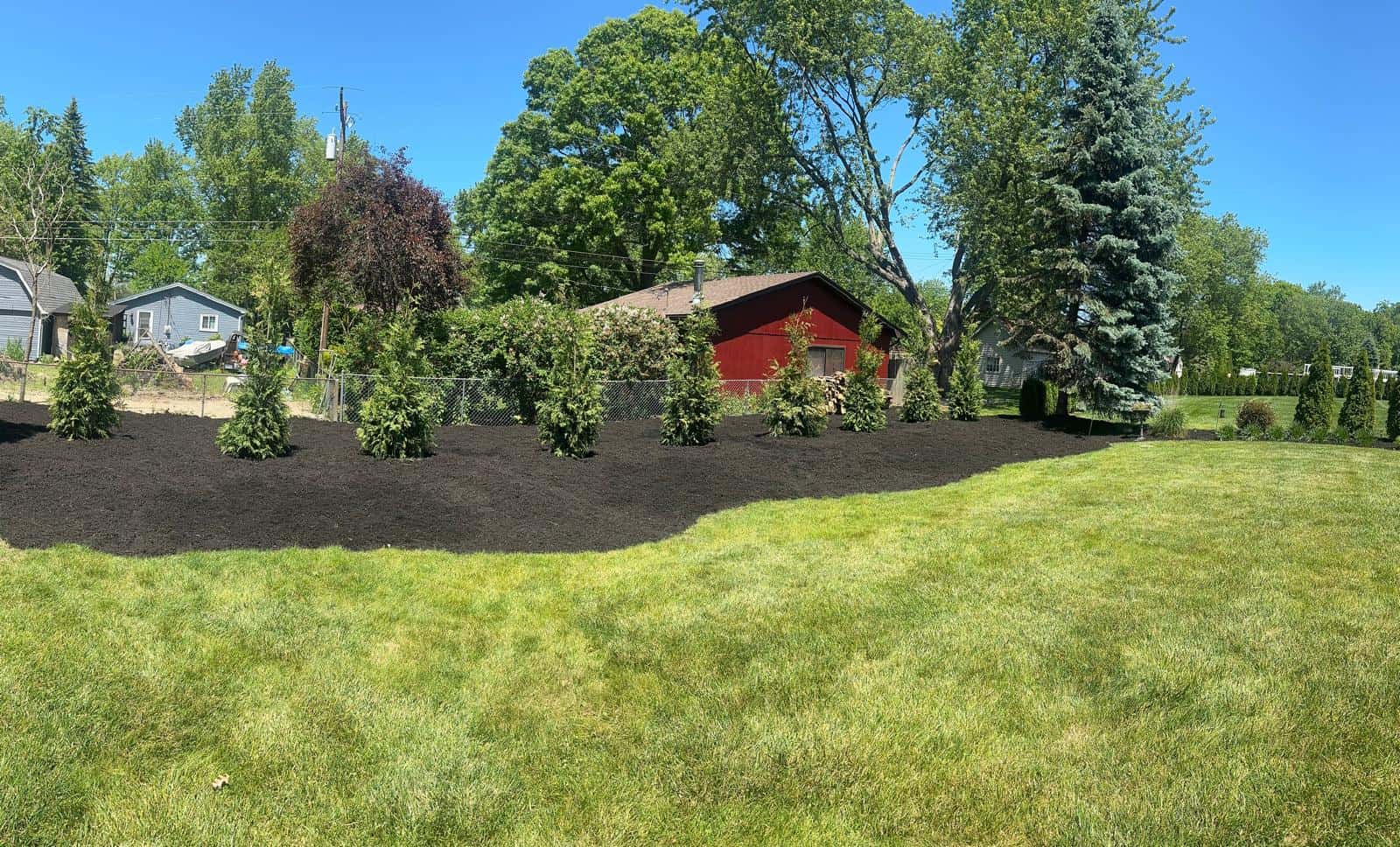
Mulch installation itself is a landscape maintenance activity, so no permit is required to have it done. However, if your mulch work is connected to a tree removal — which is common on Bloomfield Hills properties — that’s a different story. The City of Bloomfield Hills requires building department plan review before any tree removal on private property, and removed trees must be replaced per an approved landscape plan. Trees with Landmark Tree designation carry even stronger protections under the ordinance.
If you’re calling us for mulch installation following a tree removal, it’s worth confirming that the removal side of the project was handled through the proper permitting process before the landscape restoration begins. Our certified arborist crews are familiar with Bloomfield Hills’ regulatory environment and can help you understand what’s been completed and what the restoration scope should look like. The mulch installation itself moves forward without a permit — but the tree work that often precedes it does not.
This is one of the most common points of confusion, and it’s worth getting right before the job starts. The standard calculation is based on square footage and desired depth: one cubic yard of mulch covers approximately 100 square feet at a 3-inch depth, or about 160 square feet at 2 inches. On a Bloomfield Hills property with multiple garden zones — front entry beds, specimen tree rings, rear entertaining areas, woodland borders — the total square footage adds up quickly, and it’s easy to underestimate.
The target depth from the ISA is 2–3 inches of organic mulch. Less than that and you lose most of the weed suppression and moisture retention benefit. More than that — especially anything approaching 6 inches piled against a trunk — starts creating the conditions for bark rot and root damage. We’ll assess your specific beds during the estimate process and calculate the volume needed to hit the right depth across every zone, so you’re not guessing and you’re not ordering excess material.
The short answer is that fresh arborist wood chips and bagged retail mulch are not the same product, and for trees and established garden beds they don’t perform the same way. Bagged mulch — especially dyed varieties — is often processed, dried, and treated to achieve a uniform appearance. It looks consistent out of the bag, but it breaks down faster and contributes less to soil structure over time. Dyed mulch in particular can fade significantly after a few weeks of Michigan sun and rain, which matters when you’re maintaining the appearance of a high-visibility Bloomfield Hills property.
Fresh arborist wood chips contain bark, wood, and leaf material in varying sizes. The ISA considers this one of the best mulch options available for trees and large shrubs because the varied particle sizes allow air and water to move through the layer while still providing effective weed suppression and moisture retention. As the material breaks down, it improves soil structure. We use repurposed wood chips generated from our own tree work in Oakland County — locally sourced, genuinely fresh, and a better fit for the mature trees and established beds that define most Bloomfield Hills landscapes.
Spring is the primary window, and in Oakland County that means late April through mid-May. By that point, the soil has warmed enough that mulch isn’t trapping cold ground and delaying plant growth — which is a real issue if you mulch too early in Michigan. At the same time, you’re getting ahead of the main weed germination window and locking in soil moisture before summer heat arrives. For a Bloomfield Hills property with extensive formal beds, spring mulch installation is essentially the foundation of the whole growing season.
Fall is the secondary window. After the first hard frost — typically late October to early November in this part of Oakland County — a fresh layer of mulch helps insulate root systems against Michigan’s freeze-thaw cycles through winter. On properties with significant plantings, that protection is worth the investment. Spring providers in Bloomfield Hills book up fast, so reaching out in March or early April gives you the best chance of landing your preferred timing.
In most cases, no — you don’t need to remove the existing layer entirely. What matters is whether the old mulch is matted, compacted, or showing signs of fungal growth. If it’s just broken down and thin, the right move is to rake and aerate it before adding fresh material on top. That breaks up any compaction that might be blocking water and air from reaching the root zone, and it gives you a more even base for the new layer.
Where removal becomes necessary is when you’re dealing with visible mold, fungus, or pest activity in the existing mulch. In those cases, pulling the old material out before installing fresh mulch prevents you from trapping the problem underneath a new layer. On Bloomfield Hills properties with large, established beds that may not have been refreshed in a few seasons, it’s worth having someone assess the existing material before assuming a simple top-dress is the right approach. Our crews evaluate the existing conditions during the estimate process and will tell you honestly what the bed actually needs — not just what’s easiest to quote.
Yes, and it’s one of the more practical reasons to use a tree service company for mulch rather than a separate landscaping crew. When a tree is removed on a Bloomfield Hills property — especially one that’s gone through the city’s building department review process — the landscape left behind is often disrupted: bare soil, exposed root zones, disturbed beds around the removal area. That disruption is exactly where mulch installation does its most useful work, and handling it as part of the same service relationship means the job gets finished properly rather than left half-done.
We offer mulch installation and topsoil as companion services to tree removal and stump grinding. On a Bloomfield Hills estate where you’ve already invested in doing the tree work correctly — permits, certified arborist involvement, approved landscape plan — it makes sense to complete the restoration with the same crew rather than bring in a second contractor who wasn’t part of the original job. The estimate covers the full scope, everything is documented in writing, and the process moves in a logical sequence from removal through restoration without gaps in accountability.
Other Services we provide in Bloomfield Hills
