Hear from Our Customers
When the mulch in your garden beds has broken down — and in a lot of New Hudson homes, it has — you’re not just looking at a cosmetic problem. Bare soil loses moisture fast, weeds move in before June, and the root zones of your trees are left exposed to whatever the season throws at them. A proper installation fixes all of that at once.
Lyon Township’s clay-heavy soils compact and crust without organic matter working its way in. A 2 to 3 inch layer of organic mulch slows that process down significantly, holds moisture through the dry stretches that hit Oakland County mid-summer, and keeps your soil temperature from swinging wildly between morning and afternoon. That matters for the plants, and it matters for the trees — especially on the larger-lot properties north and south of I-96 where root zones cover a lot of ground.
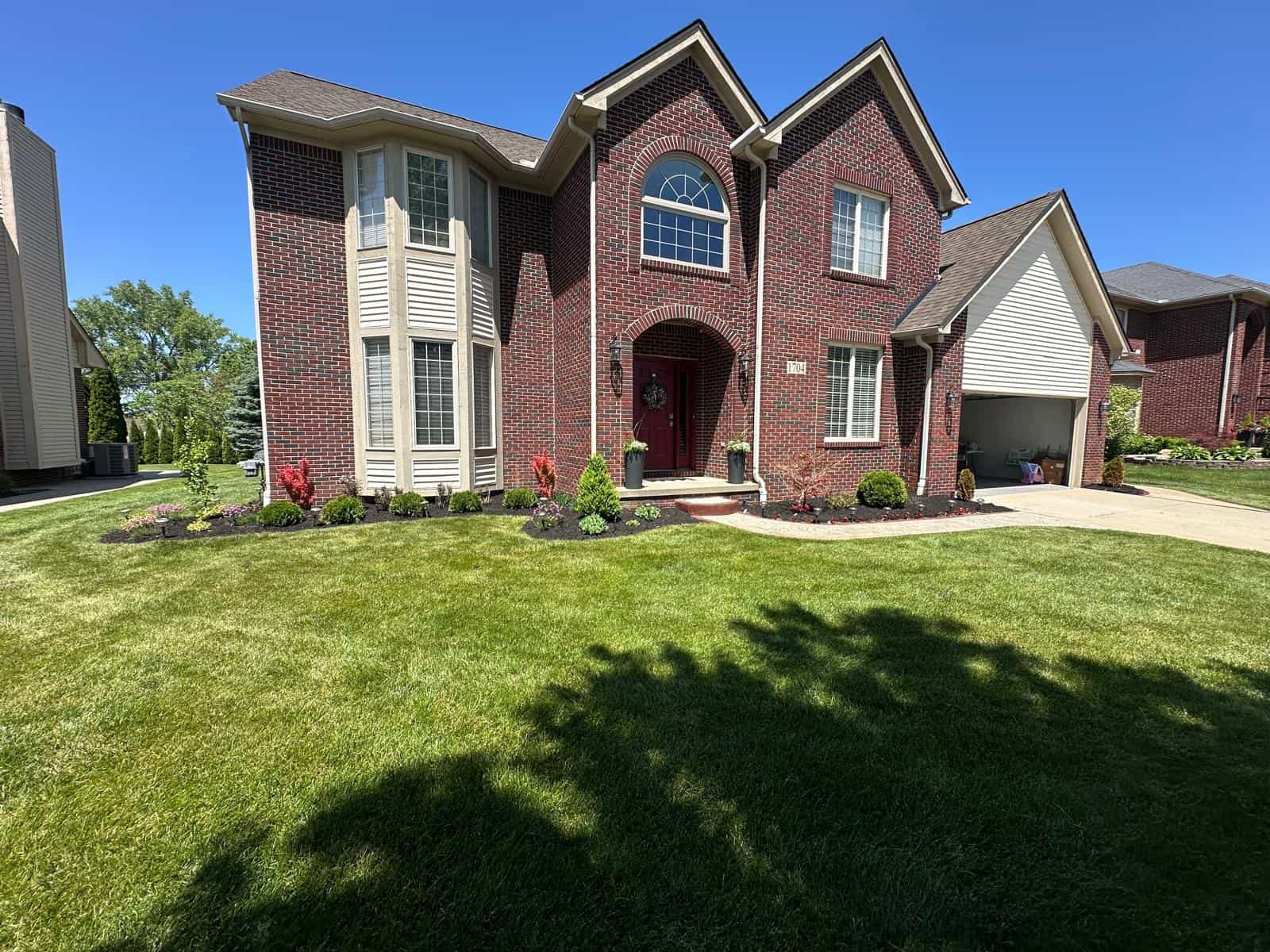
On top of the functional side, there’s the simple reality that your property looks better. Beds that are clean, edged, and freshly mulched change the entire feel of a yard. That’s not insignificant when you’re pulling off Grand River Avenue after a long week and your own driveway is the first thing you see.
We’re based in Oakland — right next door to New Hudson, connected by South Oakland Road. We’re not a metro Detroit company making a long haul out to Lyon Township. We’re already here, and we know this corner of Oakland County well.
Ivan has over seven years of professional tree care experience, starting as a groundman in California before relocating to Michigan and building this company alongside his fiancée, Cecilia. That background means the crew handling your mulch installation isn’t a landscaping team that added mulch to a menu — it’s a certified arborist operation that understands what happens at the root zone when mulch is applied correctly, and what goes wrong when it isn’t.
We’re licensed, insured, and carry certified arborists on staff. Every estimate is provided in writing before any work begins. You know exactly what you’re getting, what it covers, and what the crew will do when they show up.
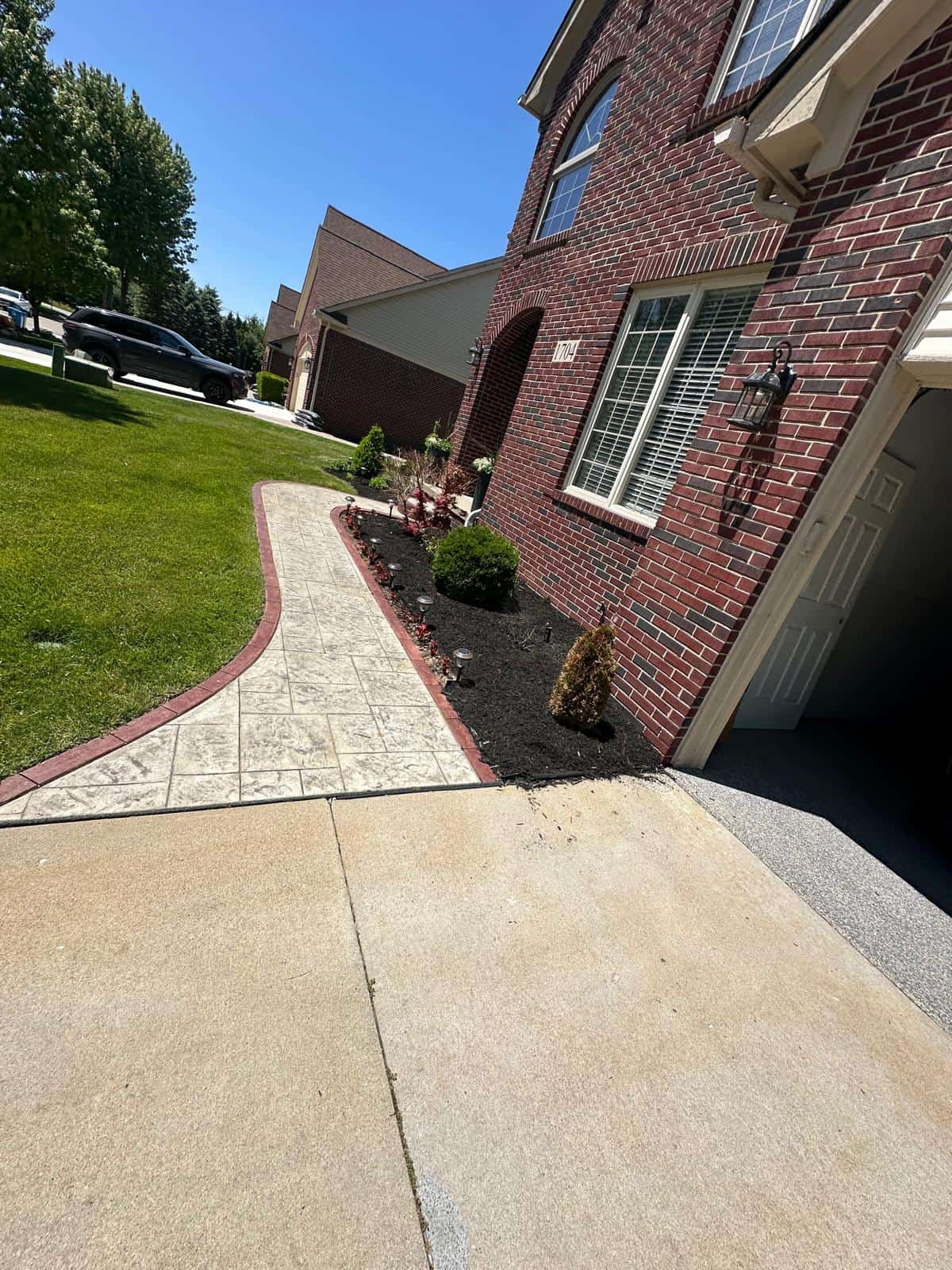
Before any mulch goes down, the beds get prepared. That means pulling weeds, clearing debris, and making sure the surface is ready to hold a consistent depth. Skipping this step is one of the most common reasons mulch breaks down faster than it should — weeds underneath push through within weeks, and uneven coverage leaves gaps that dry out and look rough by midsummer. We don’t skip it.
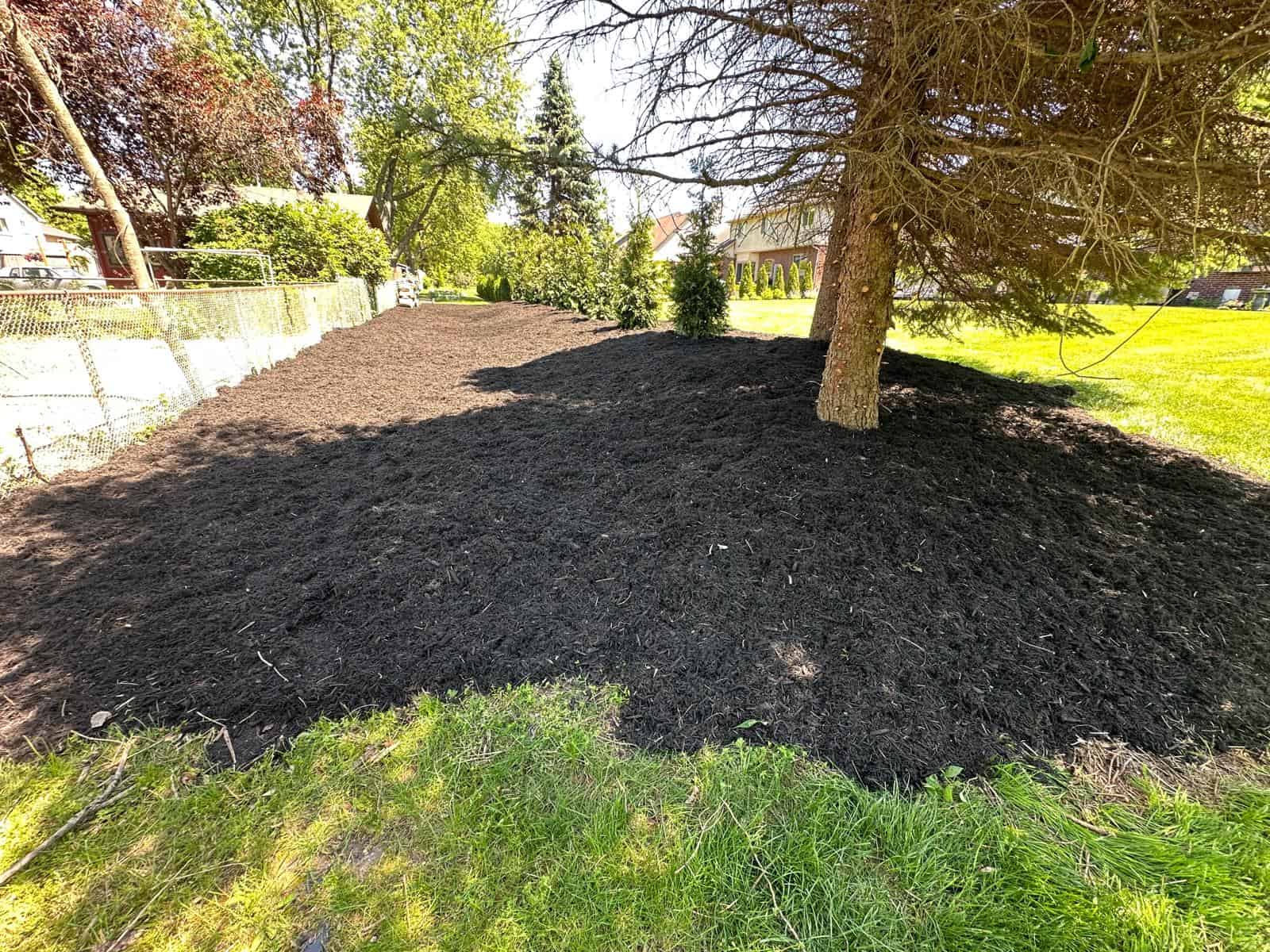
Once the beds are prepped, mulch goes down at 2 to 3 inches — the depth that gives you real weed suppression and moisture retention without creating problems. Around your trees, the root flare stays exposed. This is non-negotiable from an arborist standpoint. Piling mulch against a tree trunk traps moisture against the bark, encourages rot, and can quietly damage a mature tree over years. It’s one of the most common installation mistakes in the industry, and it’s one you won’t see from our crew.
Timing matters in New Hudson. Spring applications go in after the soil has had a chance to warm — typically late April into mid-May in this part of Oakland County. Mulching too early insulates cold soil and delays plant growth, which defeats the purpose. If you’re thinking about a fall application, we aim for after the first hard frost, when the goal shifts to protecting root zones through Michigan’s freeze-thaw cycles rather than managing summer moisture. Either way, the job ends with cleanup, and the property looks the way it should when we leave.
A lot of New Hudson homeowners already know they can pick up bulk mulch on Grand River Avenue. Miller’s Landscape & Supply has been there for years, and if you’ve got a truck and a free Saturday, that’s an option. But what that trip doesn’t include is the bed prep, the arborist-trained installation technique, or the cleanup after. It’s materials without the method.
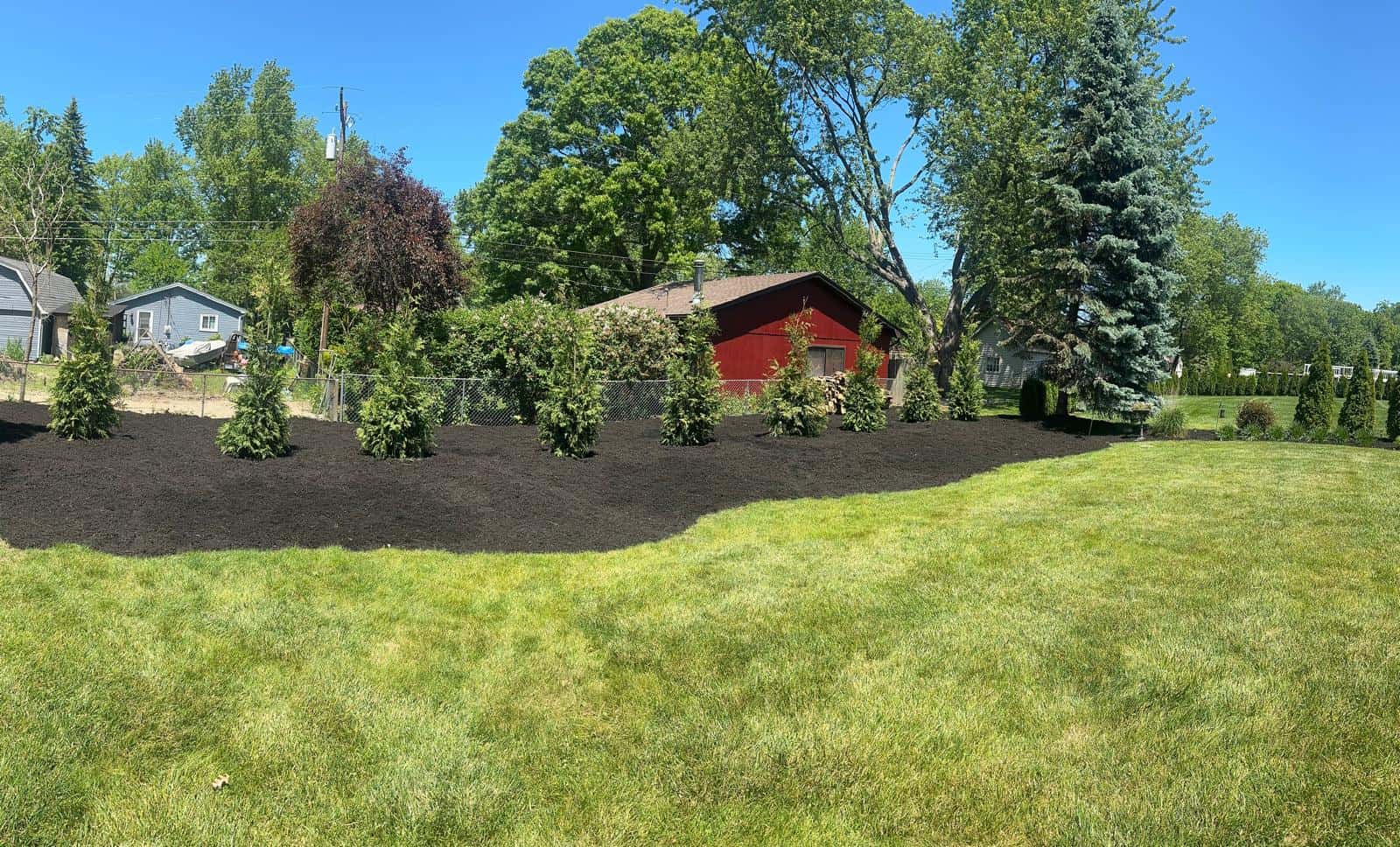
What we deliver is the full process — bed preparation, proper depth installation using repurposed wood chip mulch from our own tree work in Oakland County, and correct technique around every tree on the property. That repurposed material isn’t bagged dyed mulch from a pallet. It’s arborist-grade wood chip material containing bark and leaf matter, the type the ISA specifically identifies as excellent for trees and large shrubs. It’s locally sourced, and it improves your soil structure as it breaks down over time.
For properties that need more than mulch — whether that’s topsoil for garden beds, or stump grinding followed by landscape restoration — we handle all of it in one service relationship. Lyon Township’s newer subdivisions often have disrupted landscapes from construction or tree work that never got fully restored. One call covers the tree side and the landscape side, without coordinating two separate contractors.
The ISA standard is 2 to 3 inches of organic mulch for most applications. That depth is enough to suppress weeds, retain soil moisture, and regulate soil temperature — but not so deep that it creates problems. On the larger-lot properties common in Lyon Township near New Hudson, where trees often have wide root zones, getting this depth consistent across the entire mulch ring matters more than most homeowners realize.
What’s equally important is what doesn’t get covered. The root flare — the base of the trunk where it begins to widen at ground level — needs to stay exposed. Piling mulch against the trunk, sometimes called volcano mulching, traps moisture against the bark and creates conditions for rot and secondary root systems that can damage or kill a tree over time. It’s one of the most common installation mistakes in residential landscaping, and it’s something our certified arborist crews are specifically trained to avoid on every job.
There are two good windows in Michigan, and both serve a different purpose. Spring installation — typically late April into mid-May in the New Hudson area — locks in soil moisture before summer heat sets in and suppresses weed germination before it gets out of hand. The timing matters here: mulching too early in spring, before the soil has warmed, insulates cold ground and can actually delay plant growth. Western Oakland County tends to warm slightly later than the eastern suburbs, so patience on the spring side pays off.
Fall installation, applied after the first hard frost, shifts the goal entirely. At that point, you’re not managing moisture — you’re protecting root zones from the freeze-thaw cycles that are hard on soil structure in this part of Michigan. Clay-heavy soils in Lyon Township are particularly susceptible to heaving when temperatures swing repeatedly through the freezing point. A proper fall mulch application buffers that fluctuation and keeps root zones more stable through the winter months.
For trees and large shrubs, arborist wood chips — material that contains bark, wood, and leaf matter — are considered the best option by the ISA. As this material breaks down, it improves soil structure and adds organic matter, which is particularly valuable in the clay-heavy soils common in western Oakland County. It doesn’t compact as quickly as finer materials, and it holds moisture well through Michigan’s dry summer stretches.
For decorative garden beds, shredded hardwood mulch is the most common choice in this area. It breaks down more slowly than wood chips, holds its appearance longer, and is available in natural brown, black, and other tones depending on your preference. Dyed mulches can fade faster, especially in direct sun, so if you’re mulching south-facing beds along a Grand River corridor property, natural hardwood tends to hold up better over a full season. The right choice depends on what’s in the bed, how much sun it gets, and how you want it to look by the end of summer.
Not always, but it depends on what you’re working with. If the existing mulch is simply thin and broken down — which is common in New Hudson homes built during the township’s growth wave in the 2000s and 2010s — you generally don’t need a full removal. The old layer gets raked and aerated to break up any compaction or matting, and fresh mulch goes on top to bring the depth back to the 2 to 3 inch target.
If the existing mulch shows signs of fungus, mold, or pest activity, removal before installation is the right call. Layering fresh material over a compromised base traps the problem underneath and shortens the life of the new application. During the prep phase, our crew will assess what’s there and flag anything that warrants a different approach. The goal is an installation that performs for a full season, not one that looks right on day one and breaks down by July.
Yes, and the difference is measurable. Research on organic mulch consistently shows it can reduce soil moisture evaporation by roughly 35 percent compared to bare soil. For a New Hudson homeowner with extensive garden beds — which is common on the larger-lot properties throughout Lyon Township — that translates directly to less time running a hose or adjusting irrigation during the dry stretches that hit Oakland County through July and August.
The mechanism is straightforward. Mulch creates a physical barrier between the soil surface and the air, slowing the rate at which moisture escapes. It also moderates soil temperature, keeping the ground cooler during peak heat, which reduces the rate at which plants pull water from the soil. Together, those two effects extend the period between watering significantly. If you’ve got beds that seem to dry out fast no matter how much you water, the depth and coverage of your mulch installation is usually the first thing worth looking at.
Yes, and it’s one of the more common ways we work with homeowners in Lyon Township. After a tree removal or stump grinding, the area around the work site often looks disrupted — bare soil, uneven ground, and a landscape that needs attention before it looks right again. Rather than leaving that to a separate contractor, we handle the full restoration in one job.
Depending on what the site needs, that can include mulch installation around remaining trees and beds, topsoil for areas where the ground was disturbed. For newer-construction homes in New Hudson where the landscaping was builder-grade to begin with, a tree removal is often the natural moment to upgrade the surrounding beds at the same time. It’s a practical way to get more out of a single service visit — and it means you’re working with one crew that already knows your property, not coordinating two separate companies to finish the job.
Other Services we provide in New Hudson
