
Tree Pruning in Mikado, MI
Alcona County's Ice Storm Left Hidden Damage in Most Trees
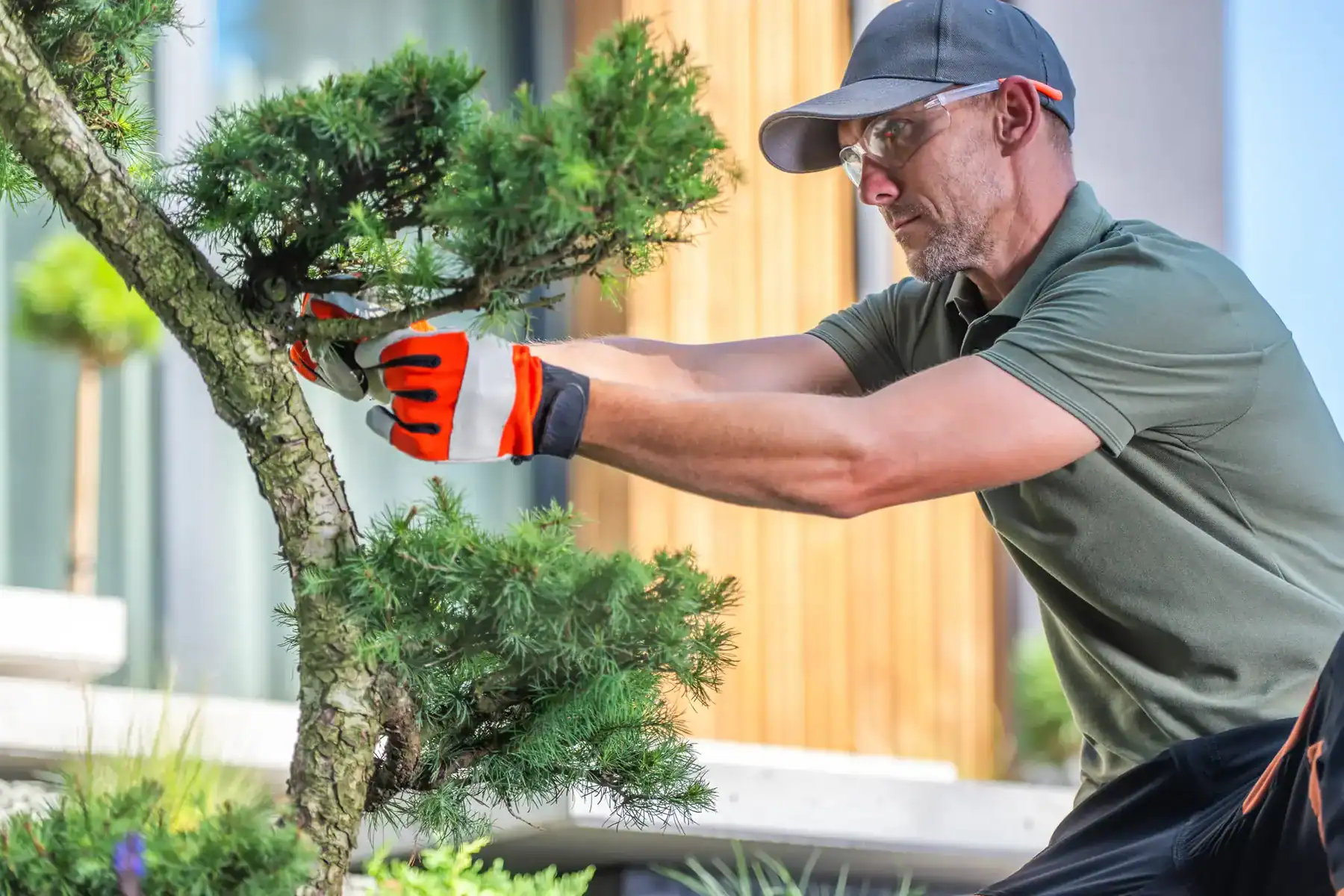
Hear from Our Customers
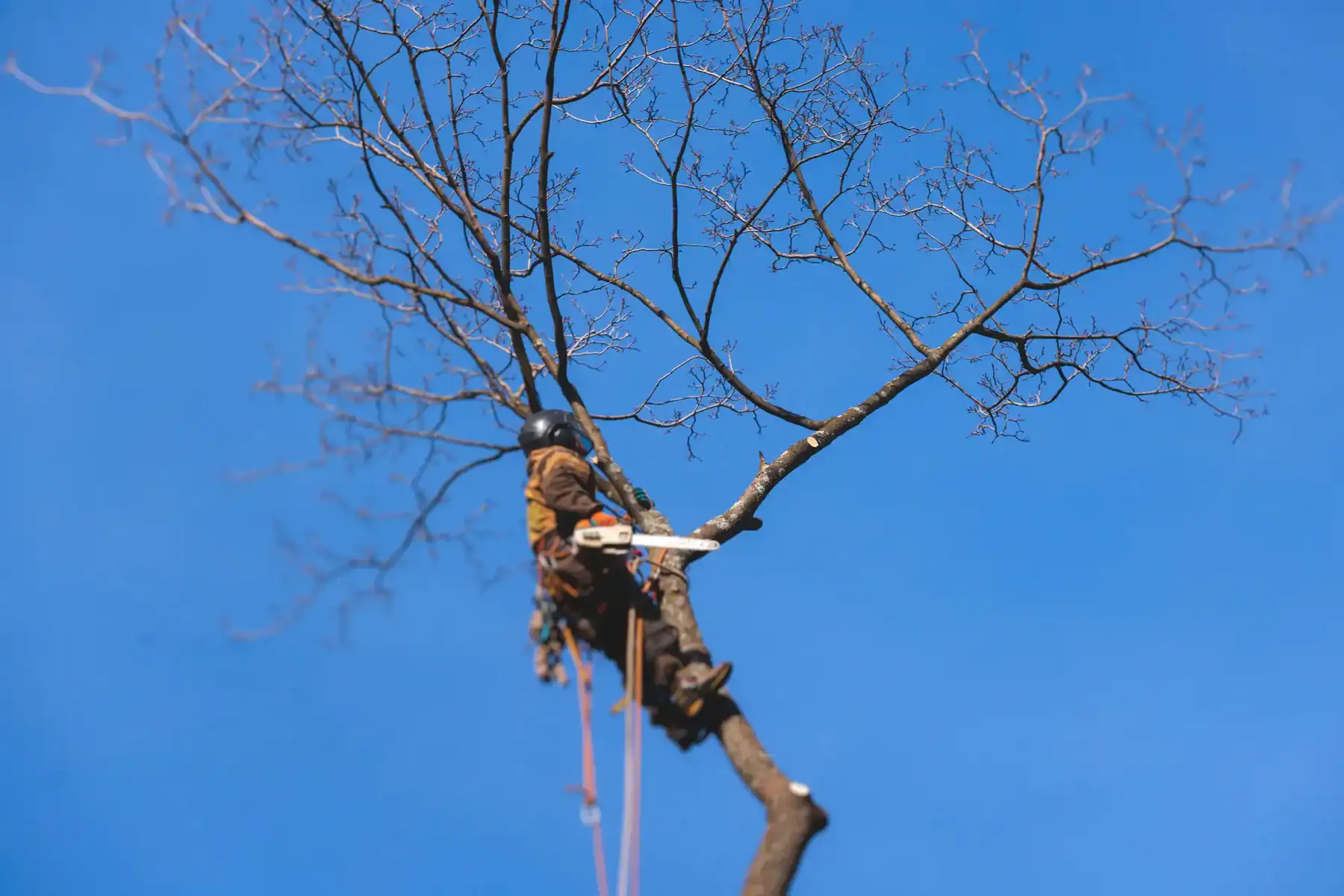
Professional Tree Pruning, Alcona County
After a proper pruning job, you’re not just looking at a tidier yard. You’re looking at limbs that won’t come down on your roof in the next wind event, trees that aren’t quietly rotting at the union, and a property that doesn’t have brush piles left behind for you to manage.
For Mikado properties specifically, this matters more than most people realize. The March 2025 ice storm that put Alcona County under a state of emergency didn’t just break limbsit left thousands of trees with internal structural stress that isn’t obvious from the ground. A tree can look completely fine and still have a co-dominant stem that’s cracked under the bark, or a branch union that’s been compromised enough that the next heavy snow load finishes the job.
Catching that now, during a scheduled pruning visit, is far less expensive than dealing with it after it lands on your cabin or blocks your access road off F-30. For seasonal property owners who aren’t in Mikado year-round, there’s also the peace of mind that comes from knowing someone actually assessed your trees while you were awayand that the property was left clean when the work was done.
Tree Trimming Services, Mikado, Michigan
We’ve been doing this work across Michigan for over seven years. I run every field job personally. My fiancée Cecilia handles scheduling and communicationso when you call or reach out, you’re talking to a real person who knows your job, not a dispatch center that has no idea who you are.
That communication piece matters especially if you own a seasonal property out in Alcona County and you’re trying to coordinate work from downstate. Cecilia makes it possible to schedule a visit, get a written estimate, and confirm the work is done without you needing to be on-site for every step. The job gets handled, the debris gets removed, and you hear about it directly.
We carry general liability insurance and workers’ compensationboth. On a rural wooded property in Mikado Township, that’s not a detail to skip over. If something goes wrong with an uninsured crew on your land, the liability doesn’t stay with them.
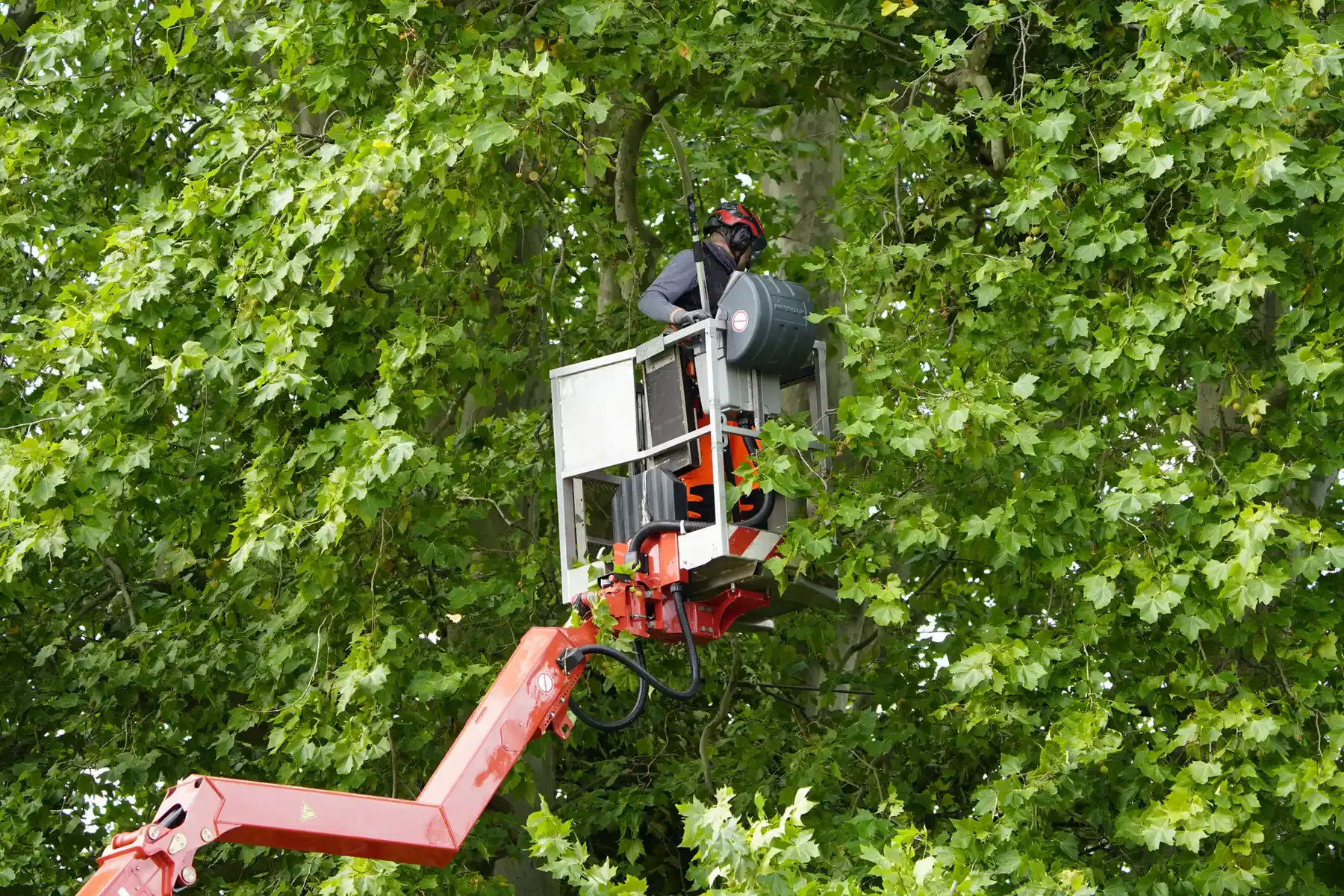
Crown Reduction Pruning Near Mikado, MI
It starts with a property visit. I come out, walk the trees with you or on your behalf, and look at what’s actually going onnot just what’s visible from the driveway. In a township like Mikado, where properties often have trees growing close to structures, overhanging rooflines, or pushing into access roads, that on-site assessment is what separates an accurate estimate from a guess.
From there, you get a written estimate with a clear price before any work starts. No pressure to commit on the spot. If the timing mattersand for oaks, it doesthat gets discussed too.
Michigan DNR guidance is explicit: don’t prune oak trees between April 15 and July 15. The beetles that spread oak wilt are active during that window and are drawn to fresh cuts. Mikado’s forests have significant red oak and black oak populations, both in the high-risk group. Scheduling pruning during the dormant season isn’t just a preferencefor oaks, it’s how you protect the tree.
Once the work is done, cleanup is included. Everything comes down, everything gets hauled. You’re not left managing a brush pile on a rural property.
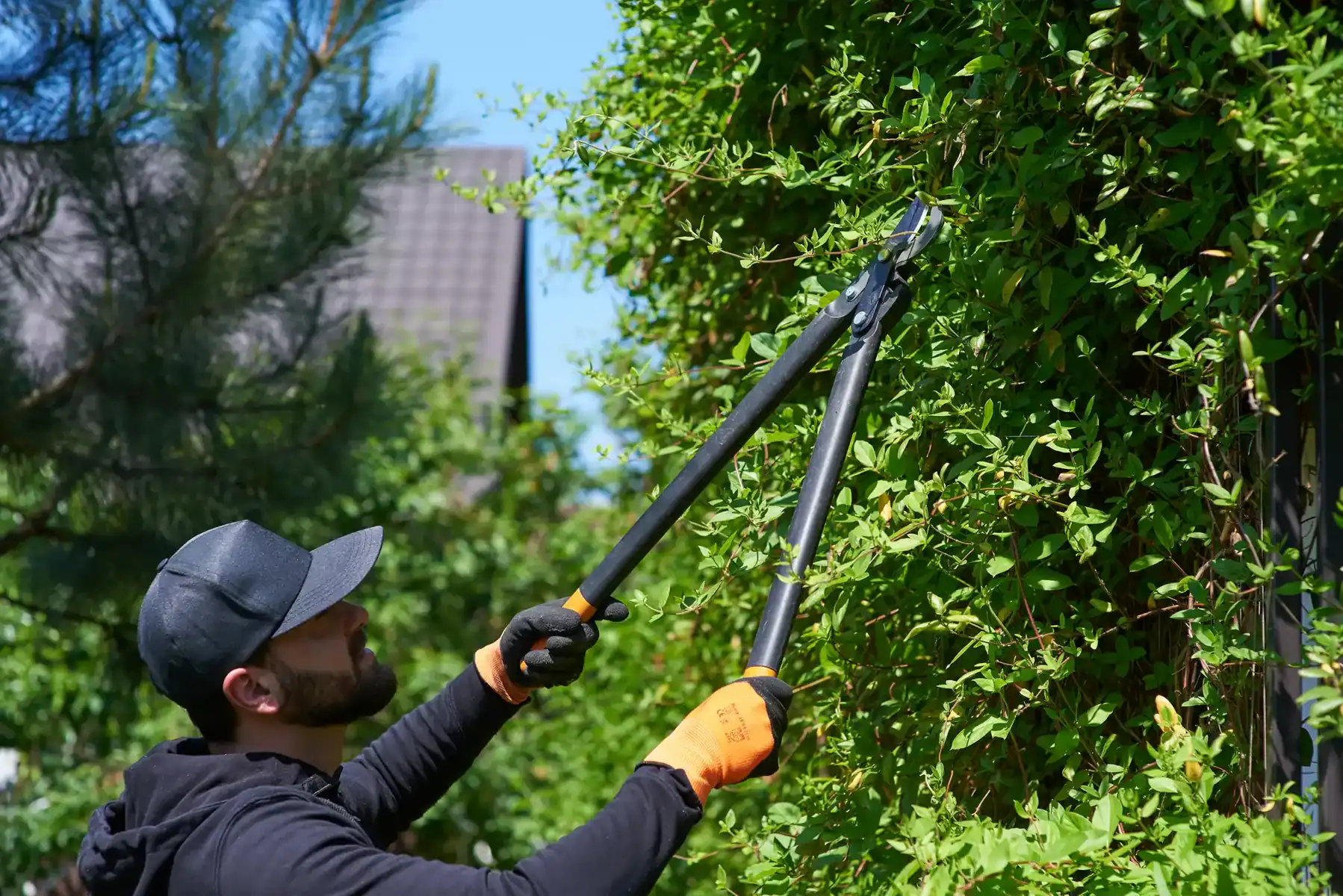
Ready to get started?
Tree Canopy Thinning, Mikado, Michigan
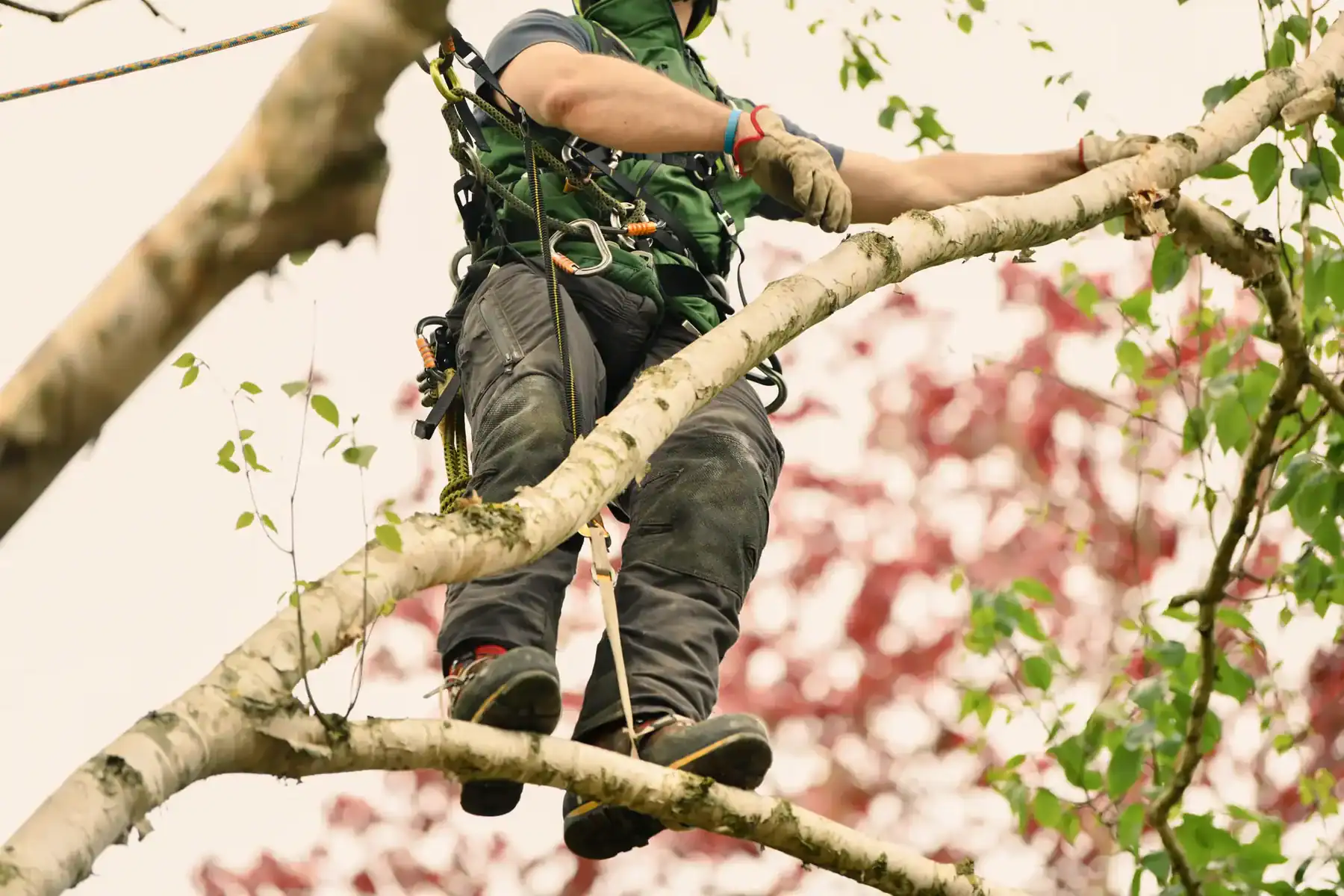
Tree pruning isn’t one-size-fits-all, and on a heavily wooded Mikado Township property it rarely looks the same from one job to the next. Some trees need dead and diseased branches removed before they drop on their own. Some need crown reduction to pull overhanging limbs back from a roofline or outbuilding. Some need canopy thinning to reduce the snow and ice load that northern Michigan winters put on dense canopiesthe same load that caused so much structural damage in March 2025.
The work always starts with what the tree actually needs, not what’s quickest. Proper cuts are made at the branch collar so the tree can close the wound naturally. No more than 25 percent of the foliage comes off in a single sessiongoing beyond that stresses the tree in ways that can take years to recover from.
Topping is never part of our approach. It’s one of the most damaging things you can do to a tree, regardless of what some contractors will tell youit creates weak regrowth, accelerates decay, and makes the tree more likely to fail in a future storm, not less.
Every job includes full debris removal. We also back the work with a 30-day workmanship guaranteesomething you won’t find offered by most providers operating in this part of northern Michigan.
Is it safe to prune oak trees on my Mikado property right now?
It depends on the time of year, and for oaks in Alcona County, that question matters more than most people think. Michigan DNR guidance advises against pruning oak trees between April 15 and July 15. During that window, the beetles responsible for spreading oak wilt are actively seeking out fresh wounds on oak treesand a pruning cut made at the wrong time can introduce the fungus into an otherwise healthy tree.
Red oaks, black oaks, and pin oaks are the most susceptible, and Mikado Township’s forests have all three in abundance. Outside of that windowroughly late October through mid-Aprildormant season pruning is the right time to work on your oaks. If you’re not sure what species you have on your property or whether the timing is currently safe, that’s exactly the kind of thing we can assess during a property visit before any cuts are made.
How do I know if my trees were actually damaged by the 2025 ice storm?
This is a fair question, and the honest answer is that you often can’t tell just by looking. The March 2025 ice storm that triggered a state of emergency for Alcona County loaded trees with up to 1.5 inches of ice in some areas. That kind of weight doesn’t always break limbs outrightsometimes it cracks branch unions, splits co-dominant stems partway, or weakens attachment points in ways that aren’t visible until the next significant wind or snow event finishes the job.
The Michigan DNR noted after the storm that damaged trees “continue to get sicker over time” as they divert energy toward repairing structural damage rather than maintaining normal growth. For seasonal property owners who weren’t in Mikado during or after the storm, a professional pruning assessment is the only reliable way to find out what your trees are actually dealing with. We can walk the property, identify compromised limbs, and remove what needs to come down before it becomes an emergency.
What is the difference between tree trimming and tree pruning?
Trimming and pruning are related but they’re not the same thing. Trimming is primarily about appearanceshaping a tree so it looks clean and proportional. Pruning goes deeper than that. It’s about the health and structure of the tree: removing dead, diseased, or crossing branches that are either threatening the tree’s long-term survival or creating a hazard for the property around it.
On a Mikado Township property with mature hardwoods and conifers close to a structure, the distinction is practical. A tree that looks fine from a distance might have dead wood inside the canopy, a branch growing toward the roofline, or a limb that’s been compromised by ice damage. Trimming alone won’t catch that. Professional tree pruning addresses the full picturewhat’s visible and what isn’tand the result is a tree that’s genuinely healthier and less likely to cause a problem, not just one that looks better from the road.
How much does tree pruning typically cost for a property in northern Michigan?
Most residential tree pruning jobs fall somewhere between $250 and $900 depending on the size of the tree, how many trees are involved, how close they are to structures, and what type of pruning is needed. Larger trees, tight access, or work that requires rigging near a cabin or outbuilding will sit toward the higher end of that range. Straightforward jobs on smaller or more accessible trees come in lower.
What we do before any of that is come out to the property and give you a written estimate with a clear priceno vague ranges, no surprises after the work is done. For seasonal property owners coordinating from downstate, that written estimate also means you know exactly what you’re agreeing to before the crew shows up. There’s no obligation to commit when you request it, and the estimate process is free.
Can I prune my own trees on a wooded lot in Mikado, or should I hire a professional?
For ground-level work on small, young trees, a homeowner with the right tools can handle basic pruning. But on a typical Mikado Township propertymature hardwoods, trees close to structures, post-ice storm damage that may not be obviousthe risk calculus changes quickly. Working at height with a chainsaw on a ladder is one of the more common ways homeowners get seriously hurt.
Professional crews use rigging systems and equipment that make it possible to bring large limbs down in a controlled way, especially when there’s a roofline, fence, or vehicle underneath. There’s also the tree health side of it. Knowing where to make a cut, how much to remove without stressing the tree, and whether a given limb is structurally compromised or just aesthetically inconvenient takes real experience. A bad cut doesn’t just look wrongit can open the tree to decay, create a stub that never closes properly, or remove enough canopy to trigger a stress response. For anything beyond small, accessible branches, a professional assessment is worth it.
How often should trees on a seasonal cabin property in Mikado be pruned?
For most mature trees on a seasonal property in Alcona County, a pruning visit every three to five years is a reasonable baselinebut that’s not a hard rule. What actually drives the timing is what’s happening with the tree. Dead wood accumulates. Limbs grow toward structures. Storm events like the March 2025 ice storm create damage that moves the schedule up regardless of when you last had work done.
For seasonal property owners who aren’t in Mikado year-round, the practical answer is to get a professional assessment after any significant weather event and at least once every few years as routine maintenance. Trees on properties that sit unmonitored through a northern Michigan winter can develop real problems between visitsa limb that was borderline fine in October can be a liability by May. Staying ahead of it is simpler and less expensive than dealing with emergency removal after something comes down on the cabin.
Other Services we provide in Mikado