
Storm Damage in Mikado, MI
When Mature Forest Comes Down on Your Mikado Property
Hear from Our Customers
Emergency Tree Removal Alcona County
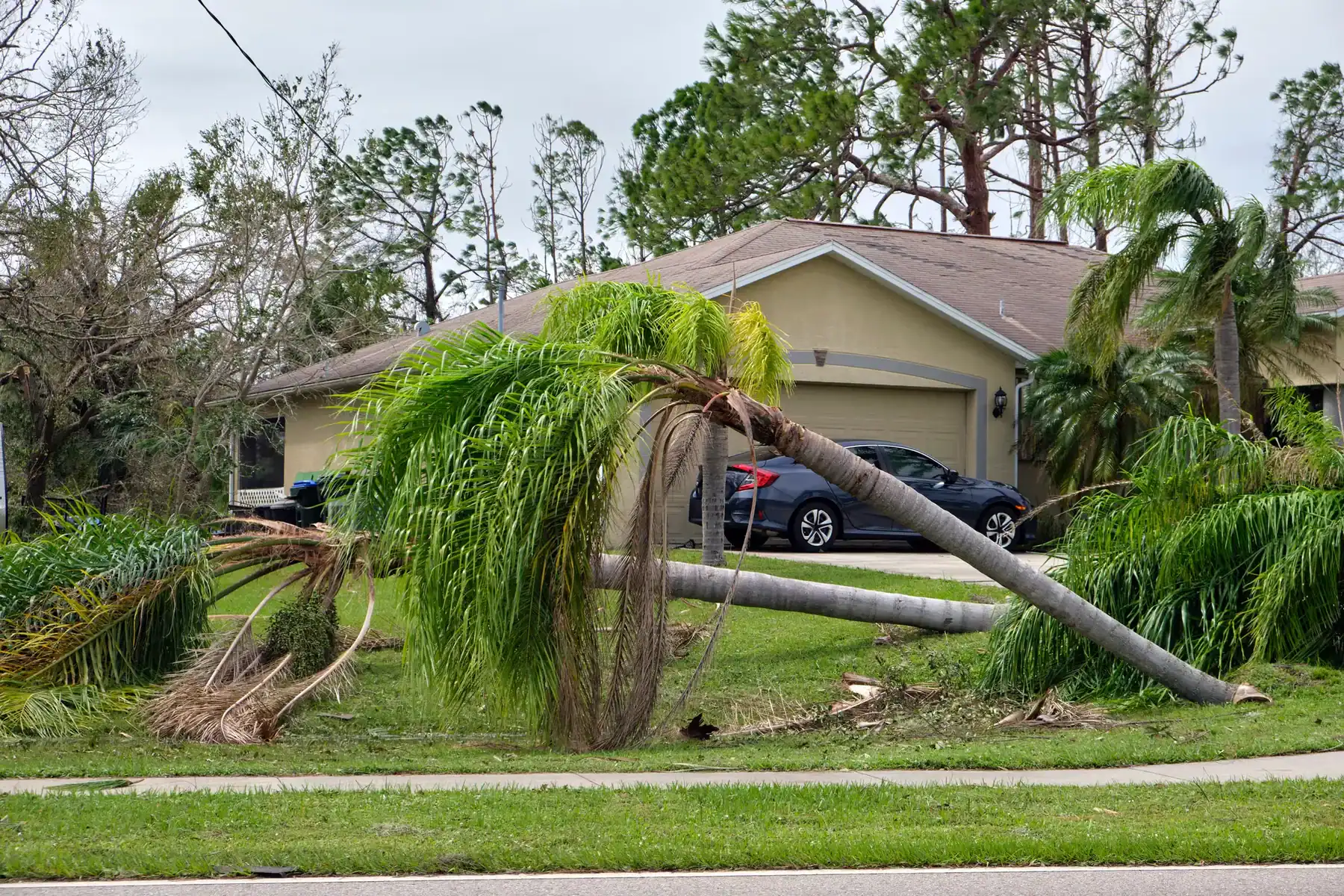
A storm in Mikado isn’t just inconvenientit can cut you off entirely. When a tree comes down across your driveway off F-30 or F-41, you’re not just dealing with property damage. You may not be able to get out, get help in, or get to where you need to be.
Alcona County has been declared a state disaster area more than once because of ice storms. The Huron National Forest surrounds most properties in Mikado Township, and roughly half the land here is publicly owned forest. That means the trees creating the risk aren’t just in your yardthey’re right up against your property line on every side, and they’ve been growing for a long time. When they fail, they fail hard.
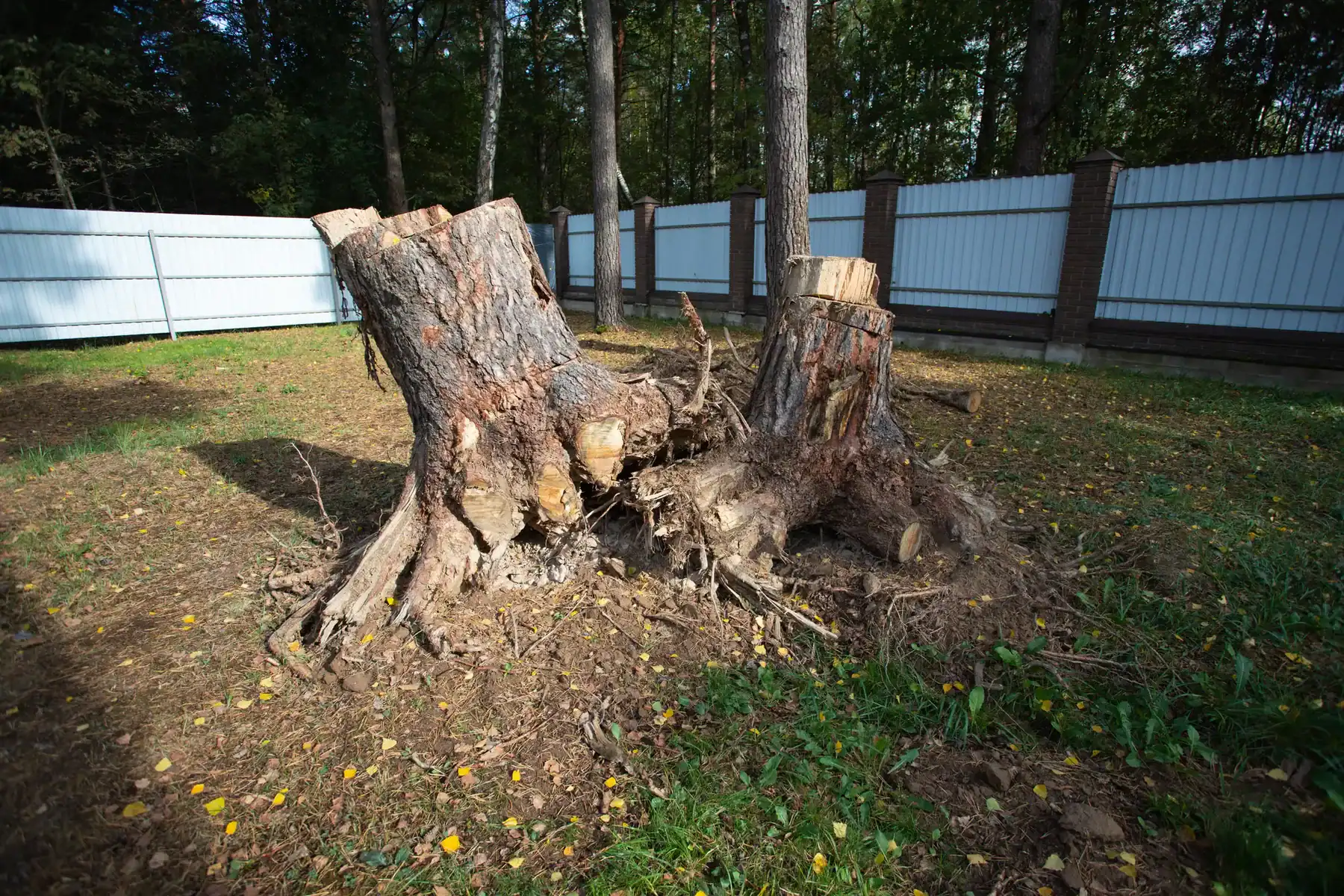
After we clear the immediate hazard, the job doesn’t stop at the stump. Stump grinding, topsoil, mulch, and grass seeding are all part of what we offerso the end result isn’t a cleared lot with a gaping hole in the lawn. For homeowners in Mikado who have real property to protect and don’t want to coordinate three separate contractors to finish the job, that matters.
Licensed Tree Service Mikado, MI
Ivan’s Tree Services LLC is a family-owned operation out of Milford, MI. Ivan leads every field job personally. Cecilia handles scheduling and communicationso when you call after a storm, you’re reaching a real person who can actually tell you when the crew is coming, not a call center reading from a script.
That accountability matters, especially in a market where post-storm scammers are a documented problem. We carry general liability and workers’ compensation insurance, have a published physical address, and have a track record of verifiable reviews from real customersincluding multiple customers who specifically called out our crew’s ability to work safely around power lines. In Alcona County, where ice storms have repeatedly taken down trees onto utility infrastructure, that’s not a minor detail.
With over 7 years of experience and a service area that covers Oakland County and the broader Southeast Michigan region, we bring the equipment and the expertise to handle what northeastern Michigan storms produce.
Storm Damage Cleanup Process Mikado
When you call after a storm, the first thing that happens is a real conversationnot a voicemail, not a form submission. Cecilia takes the details: what came down, where it landed, whether there are power lines involved, and whether access to your property is blocked. That information determines how we mobilize and what equipment we bring. In a remote area like Mikado, where a single driveway off F-41 might be flanked by mature trees on both sides, access planning isn’t an afterthoughtit’s the first thing we think about.
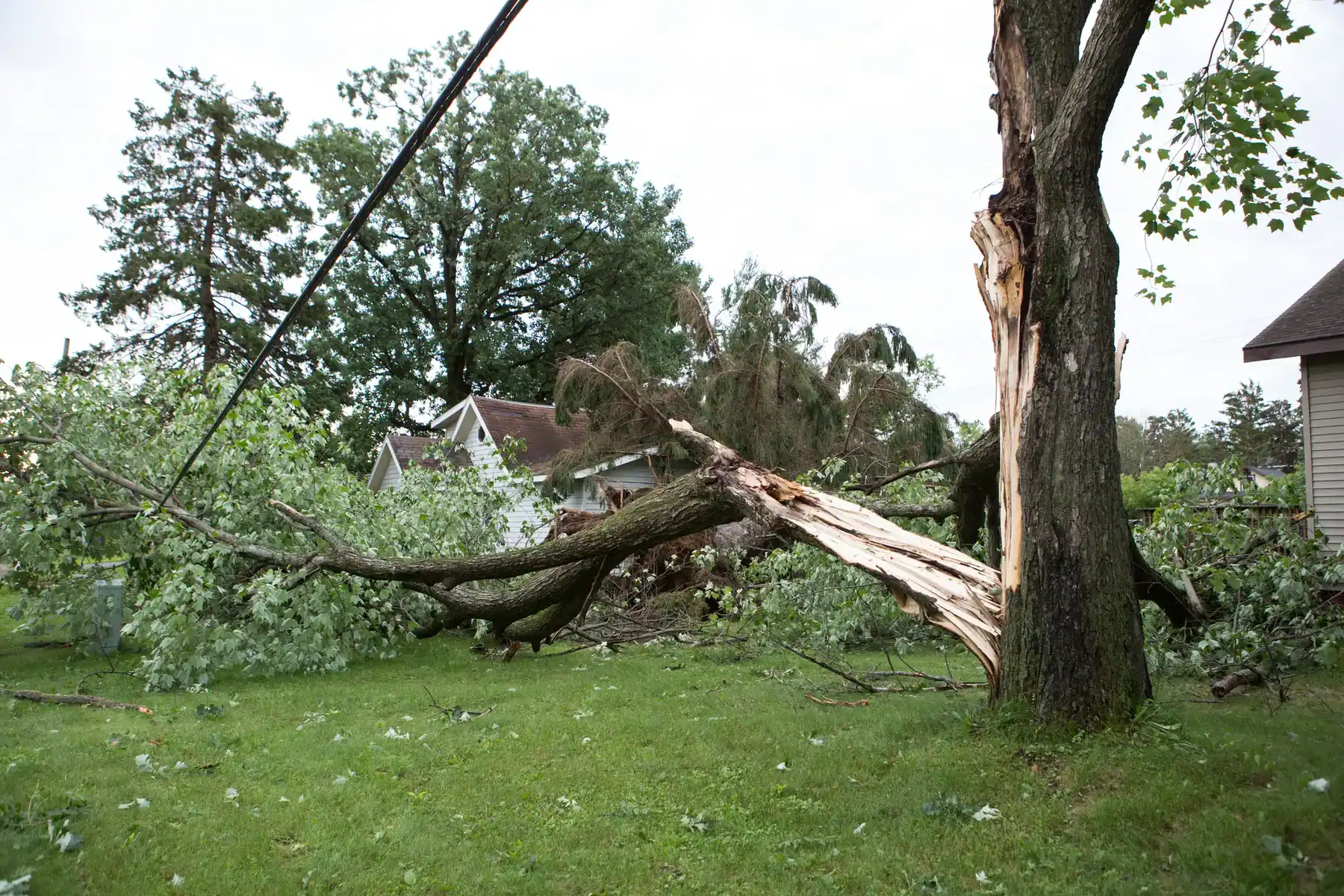
Once on site, Ivan assesses the situation before any cutting starts. If a tree is resting on a structure, on a vehicle, or near utility lines, the removal sequence matters. Rushing it creates more damage. We work methodicallyrigging where needed, cutting in sections, keeping the work zone controlled. Customers consistently note that the job ends cleaner than they expected, which in a wooded rural property context means something specific: no debris pile left in the yard, no ruts torn through the lawn from equipment.
After the tree is out, you’ll know what’s next. If the stump needs to come out, if there’s topsoil to replace, or if the lawn needs reseeding where the root ball came up, that conversation happens before we leavenot weeks later when you’re trying to track someone down.
Ready to get started?
Fallen Tree Removal Hazardous Limb Mikado
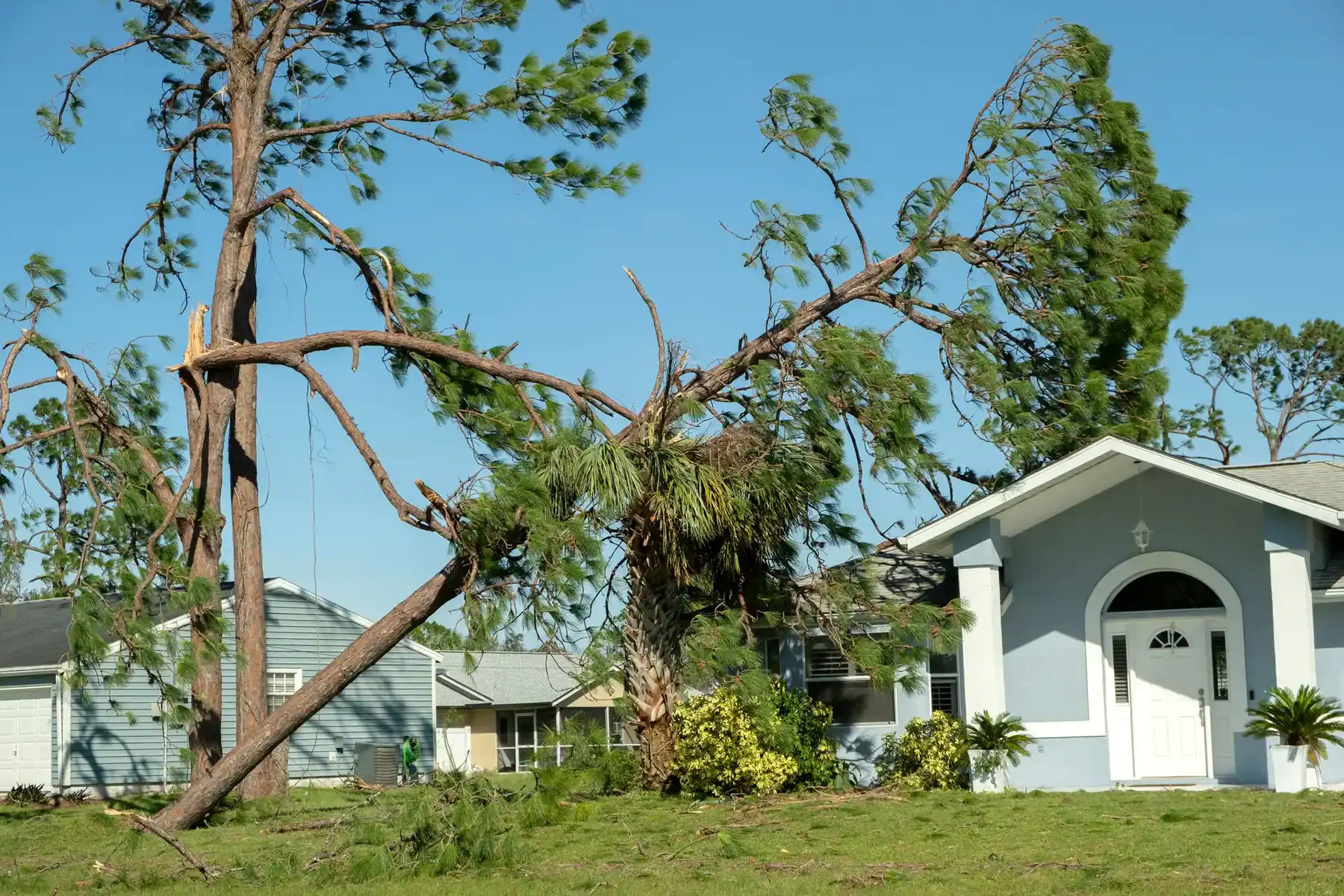
Storm damage tree service from Ivan’s Tree Services LLC covers the full range of what Alcona County storms produce. We provide emergency tree removalwhether the tree is on your roof, across your driveway, or leaning dangerously after a root compromise24 hours a day, seven days a week. Hazardous limb removal handles the widow-maker situations: the branch that didn’t fully break, the limb hanging over your vehicle or your outbuilding, the crack in a trunk that’s one wind gust away from becoming a much bigger problem.
For Mikado properties specifically, the combination of mature hardwoods and conifers from the surrounding Huron National Forest and the township’s significant number of mobile and manufactured homes on acreage parcels creates a particular risk profile. A falling limb that a newer site-built home might absorb with repairable damage can be catastrophic on a manufactured home. Fast response and careful removal sequencing aren’t just good practice herethey’re the difference between a manageable repair and a total loss.
Storm debris removal and full cleanup are included in the scope of every job. Beyond that, we offer stump grinding, topsoil installation, mulch spreading, and grass seeding to bring the property back to a finished state. No named service tiersjust a written estimate before any work starts, covering exactly what will be done and what it will cost. In a post-storm environment where price surprises are common, that written estimate is built into how we operate, not something you have to ask for.
Does homeowners insurance cover fallen tree removal in Mikado, MI?
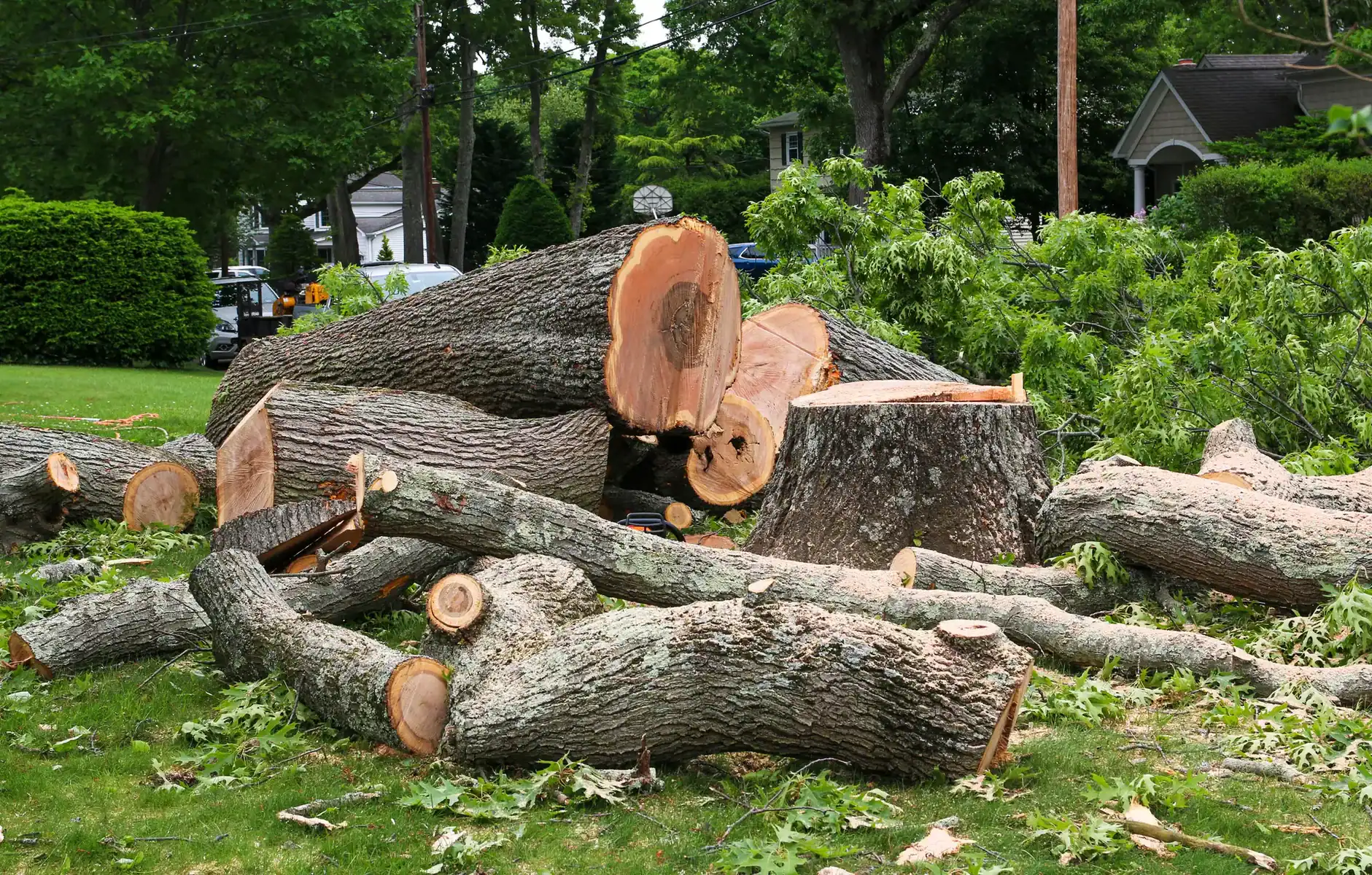
It depends on where the tree landed, not just that it fell. Most Michigan homeowners policies will cover tree removal costs when a tree falls on an insured structureyour house, an attached garage, a fenceas the result of a covered peril like wind, ice, or lightning. Given that Alcona County has been formally declared a state disaster area following ice storms, those weather events almost certainly qualify as covered perils under a standard policy. Coverage per tree typically runs between $500 and $1,000, with a common per-incident cap around $2,500.
Where most homeowners get caught off guard is when the tree falls in the yard but doesn’t hit a structure. In that case, many policies won’t cover the removal cost at allthe tree has to land on something insured. The other thing worth knowing is that delaying removal after a storm can create problems with your claim. Insurers can deny or reduce payouts if they determine you didn’t take reasonable steps to prevent additional damage. Getting the tree assessed and removed promptly protects both your property and your claim. We provide written estimates and job documentation that supports the claims process.
How fast can a crew actually get to a remote property in Alcona County after a storm?
This is the right question to ask, and it deserves a straight answer. After a major storm in Alcona Countythe kind that has triggered state emergency declarationsroad conditions, downed trees blocking access routes, and high demand all affect how quickly any crew can mobilize. The Great Lakes Energy account of one of the county’s major ice storm recoveries specifically described lineworkers having to cut their way into remote areas just to restore power. Tree service crews face the same access challenges.
What we can tell you is that emergency calls go to the front of the line, and our dispatch process starts with a real conversation about your specific access situationwhether F-30 or F-41 is passable, whether your driveway is blocked, and what equipment the job requires. That information shapes how we mobilize. Being upfront about the situation from the first call is the fastest way to get an accurate response time. We operate 24/7 for emergency situations, and the goal is always same-day response for active hazardstrees on structures, blocked access routes, and power line proximity situations.
What should I do right now if a tree just fell on my house or blocked my driveway in Mikado?
First, don’t go near it. If the tree is on or near power lines, treat every line as live until the utility confirms otherwise. Don’t attempt to move the tree, cut it yourself, or go back inside a structure the tree has compromised until someone with training has assessed whether it’s safe. In a rural area like Mikado where the nearest emergency services may be several miles away and roads may be blocked, keeping yourself out of additional danger is the priority.
Once you’re safe, start documenting. Take photos and video of the tree, the damage, and the surrounding area before anything is moved. That documentation is what your insurance company will ask for, and it’s much harder to reconstruct after the fact. Then call us at (248) 636-8741 and describe the situation as specifically as you can: what came down, where it landed, whether access to the property is clear, and whether there are any power lines involved. That information determines how we respond and what we bring. Don’t wait to see if the situation stabilizes on its own. A tree that looks stable on a roof or leaning against a structure is often not.
Is it more dangerous to remove a tree that's already fallen on a structure versus one that's still standing?
Both situations carry real risk, but they’re different kinds of risk. A standing damaged treeone that’s cracked, uprooted at the base, or leaning after a stormrequires careful assessment before any cutting begins, because the failure point isn’t always obvious and the direction of fall is uncertain. A tree that’s already on a structure introduces a different problem: the weight of the tree may be the only thing holding a damaged roof section in place, and removing it incorrectly can cause the structure to collapse further.
In Mikado, where a significant portion of the housing stock includes mobile and manufactured homes, this is especially relevant. These structures have less tolerance for impact and less structural redundancy than site-built homes. A tree resting on a manufactured home is a situation where the removal sequencehow you cut, in what order, with what riggingdirectly determines whether the structure is salvageable. Our crew assesses the load distribution and removal path before any cuts are made. That’s not a formality; it’s the part of the job that determines the outcome.
Can a storm-damaged tree be saved, or does it always need to come down?
Not every storm-damaged tree needs to be removed. The assessment depends on how much of the canopy is lost, whether the root system is compromised, whether the trunk has structural damage, and what the tree’s proximity to structures and people is. A tree that lost a major limb in a wind event but still has a sound trunk and intact root plate may be a candidate for trimming and monitoring rather than full removal. An arborist assessment is the right first step before committing to removal.
That said, some damage that looks minor from the outside is actually a serious structural problem. A crack running through the main trunk, a root plate that has partially lifted, or a tree that has shifted its lean toward a structure are all situations where the risk of waiting outweighs the cost of removal. In the Huron National Forest environment surrounding Mikado, where mature trees have grown for decades and root systems can be shallow in the sandy soils common to this part of Michigan, post-storm stability is not something to assess casually. We can evaluate the situation and give you a straight read on whether removal is necessary or whether the tree has a reasonable path to recovery.
Why does emergency tree removal sometimes cost more than a standard scheduled job?
A few real reasons, none of them arbitrary. Emergency calls happen at night, on weekends, and in the middle of storm eventswhen mobilizing a crew, equipment, and transportation costs more than a scheduled weekday job. The work itself is also more complex: storm-damaged trees are unpredictable in ways that a healthy tree being removed on a clear day is not. Compromised root systems, cracked trunks, and trees resting on structures all require more careful rigging, more deliberate cutting sequences, and more time than a straightforward removal.
In Alcona County specifically, the remote location adds a real factor. Getting a crew and equipment to Mikado from any direction takes time and fuel, and that’s reflected in the cost. Emergency removal typically runs 25 to 50 percent above standard removal pricing industry-wide. What we can tell you is that the estimate you receive before work starts is the numberno additions after the fact, no surprise charges when the invoice arrives. For homeowners on fixed or retirement incomes, which describes a significant portion of Mikado Township’s population, knowing the number upfront isn’t just a preference. It’s what makes it possible to make a real decision about how to proceed.
Other Services we provide in Mikado