
Tree Pruning in Glennie, MI
When the Huron National Forest Is Your Backyard, Pruning Isn't Optional
Hear from Our Customers
Professional Tree Pruning, Alcona County
There’s a big difference between a tree that’s been properly pruned and one that’s just been left to grow. In Glennie, where properties sit embedded in or directly adjacent to the Huron National Forest, that difference shows up fastusually after the first significant ice storm or wind event.
Overhanging limbs that seemed fine in July become a serious problem when they’re carrying an inch of ice in late March. The March 2025 storm that triggered a disaster declaration across Alcona County wasn’t a once-in-a-generation event. It was a reminder of what northern Michigan winters do to unmanaged canopies.
When your trees are properly pruned, the immediate payoff is clearancelimbs that are no longer rubbing your roofline, hanging over your power service drop, or shadowing your structure so heavily that moisture builds up and doesn’t dry out. Crown thinning reduces the wind load on a tree’s canopy, which directly affects how it behaves in a storm. Crown reduction brings an overgrown tree back to a manageable size without the structural damage that topping causes.
For seasonal property owners on North Lake or along the AuSable River corridor near Glennie, there’s another layer to this: you’re not here year-round. Trees don’t wait for your schedule. Professional pruning on a regular cycle means you’re not returning in May to discover a split limb sitting on your roof that’s been there since February.
Tree Trimming Services, Glennie Michigan
We’re a family-owned company out of Michigan, built around two people: Ivan, who leads every field job, and Cecilia, who handles scheduling, communication, and making sure the whole process runs cleanly for you. There’s no franchise behind us, no call center routing your questions to a stranger. When you reach out, you’re talking to the people who are actually responsible for the work.
We’ve been delivering tree care across Michigan for over seven years, with deep roots in Alcona County and the surrounding forest communities. We carry general liability insurance and workers’ compensation coveragenot because it sounds good on a website, but because it protects you if something goes wrong on your property. In Glennie and the surrounding area, where smaller multi-service operators are common and not all of them carry adequate coverage, that distinction matters more than it might elsewhere.
Every job comes with a 30-day workmanship guarantee. If something isn’t right after the work is done, there’s a documented commitment to make it rightnot a vague promise, an actual guarantee.
Crown Reduction Pruning Process, Glennie MI
It starts with an in-person estimate. Ivan visits your property, walks the trees with you, and gives you a clear written price before anything is scheduled. There’s no pressure, no obligation, and no phone quote that turns into a different number when the crew shows up.
For property owners in Glennie who aren’t always on-site, this step can be coordinated around a visityou don’t need to be available on a random Tuesday for this to move forward.
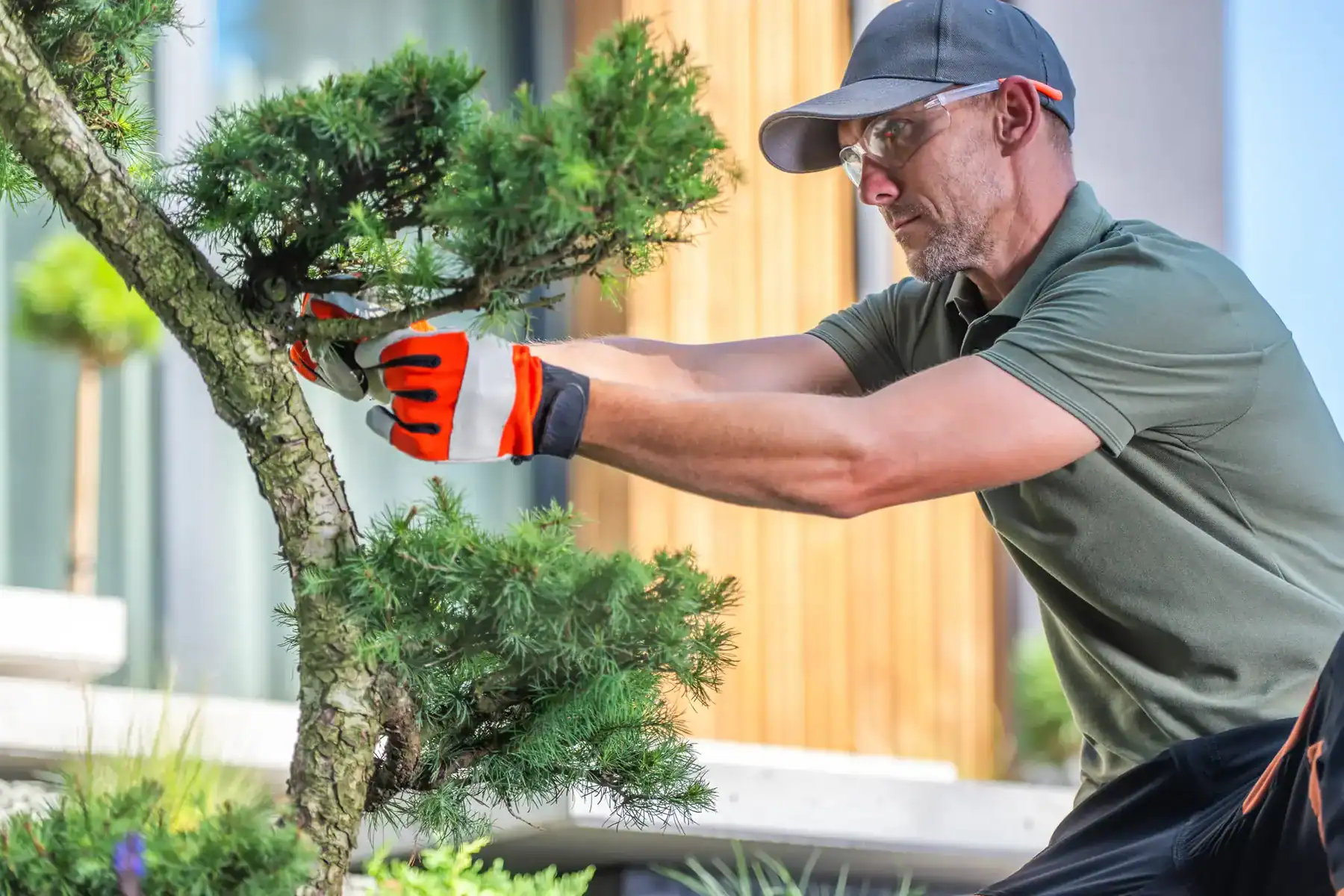
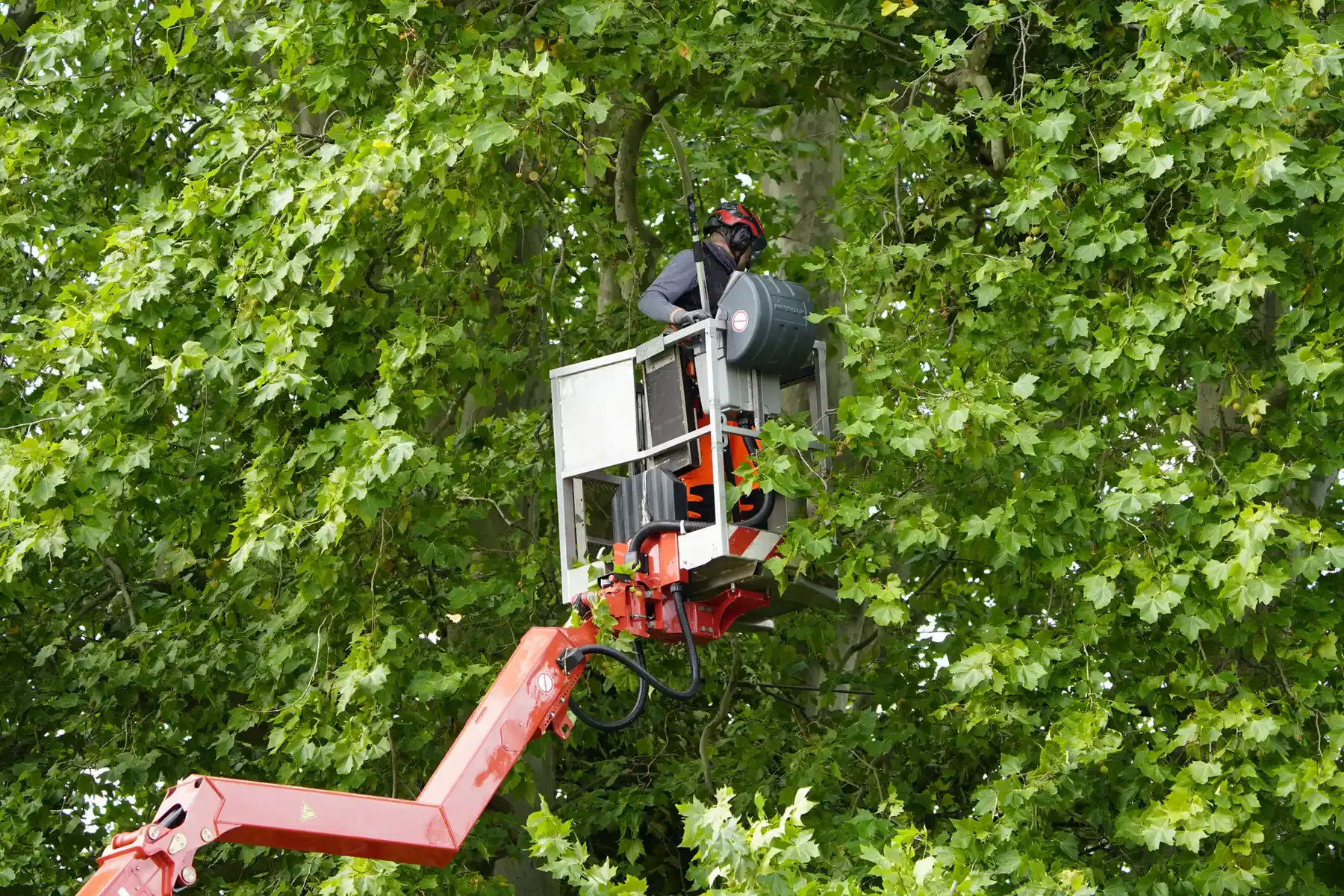
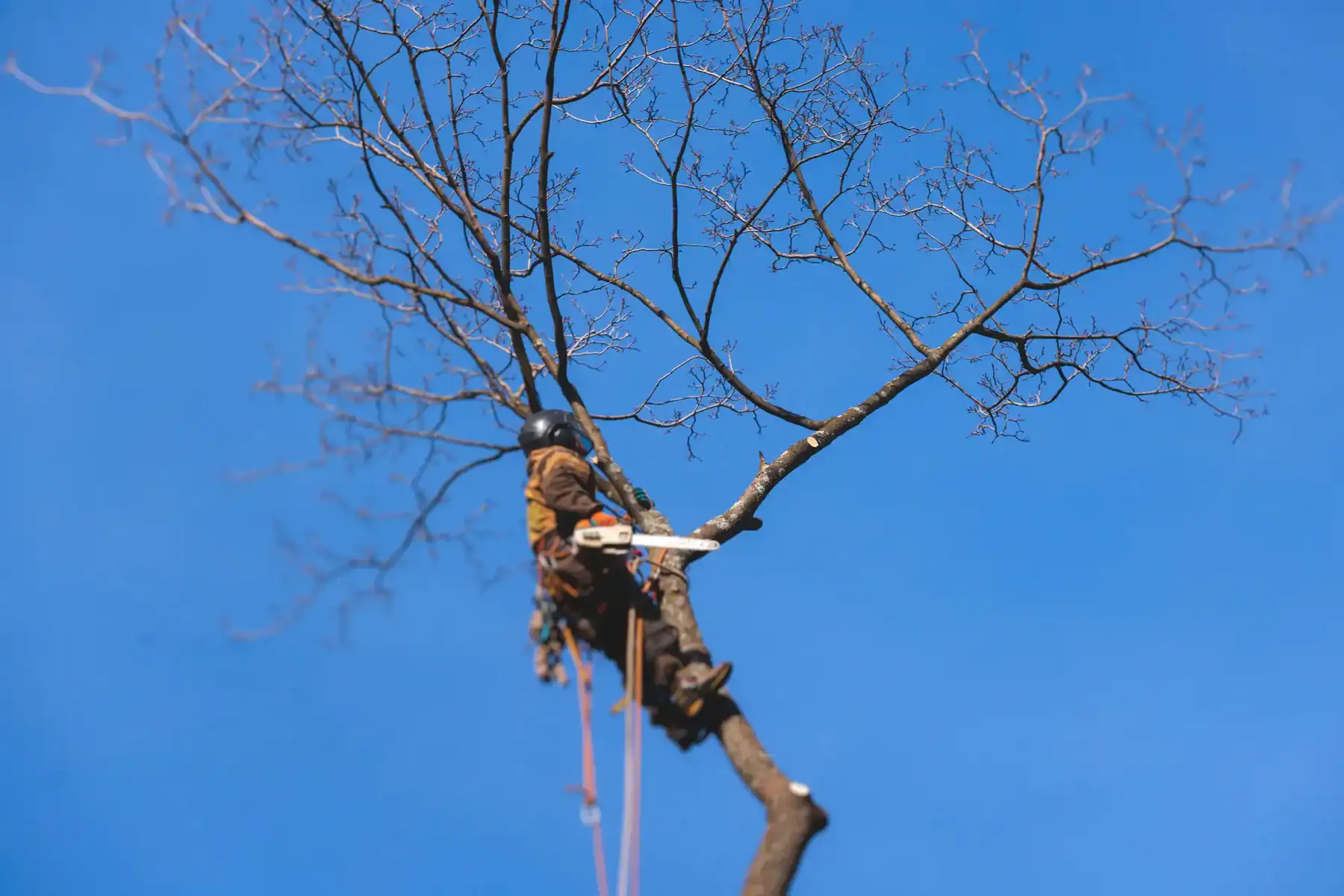
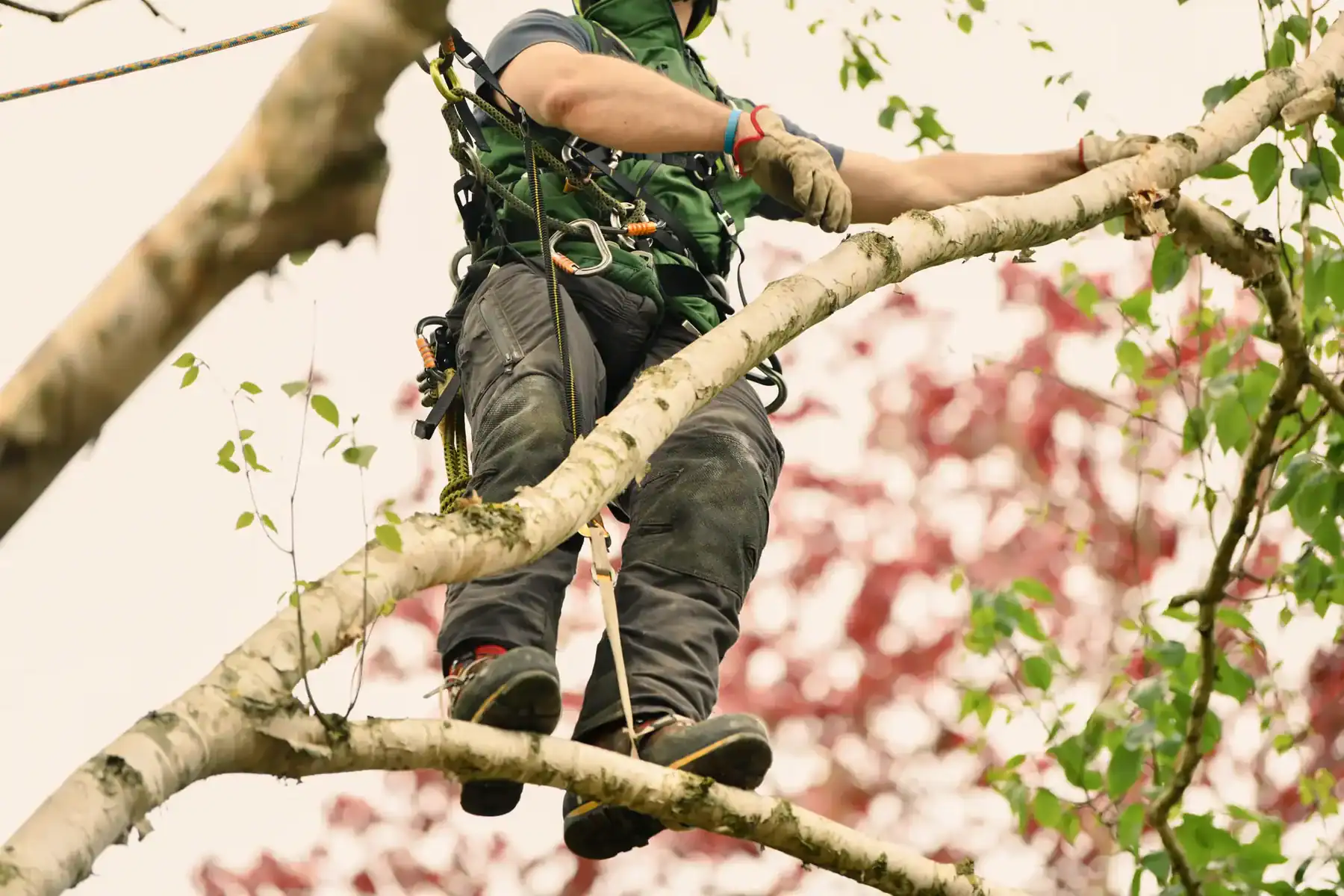
Once the job is scheduled, we arrive with the equipment the work actually requires. For forest-edge trees in Curtis Townshipmature hardwoods with full canopies, proximity to structures, and decades of unchecked growththat means proper rigging systems, not just a chainsaw and a ladder. Pruning cuts are made at the branch collar, which is how trees heal naturally. No stubs, no flush cuts, no topping.
The 25% rule applies on every job: removing more than a quarter of a tree’s foliage in a single session causes stress that can set the tree back for years. That’s not a trade-off worth making.
When the work is done, we clean up completely. All debris is removed. Your property looks the way it did before we arrivedor better.
One timing note worth knowing: if you have red or white oaks on your property, pruning during April through July carries a genuine oak wilt risk in Michigan. We schedule dormant-season pruninglate fall through early springas the safest window for oaks.
Ready to get started?
Tree Canopy Thinning and Pruning, Alcona County
Tree pruning covers more than most people expect when they first call. The core of what we do is structural and health-focused pruning: removing dead, diseased, or crossing branches that create risk or slow the tree’s recovery, and making targeted cuts that improve the tree’s long-term structure.
For Glennie’s forest-embedded properties, that often means crown reduction to bring an overgrown canopy back to a safe distance from a roofline or outbuilding, and canopy thinning to reduce wind resistance and improve light penetration through a dense northern Michigan hardwood canopy.
If you’re dealing with aftermath from the 2025 ice stormtrees that survived but are carrying split unions, hanging limbs, or structurally compromised sectionsthat’s a specific type of corrective pruning that requires a trained eye. What looks intact from the ground often isn’t. Identifying and removing those hazards before the next significant weather event is the kind of work that prevents emergencies rather than responding to them.
Debris removal and full cleanup are included on every job. Glennie is an unincorporated community in Curtis Township with no municipal tree ordinance governing private property pruning, so there’s no permit process to navigate for standard residential work. If your property borders Huron National Forest land, any work on or near Forest Service property would require separate coordinationwe can walk you through what applies to your specific situation during the estimate visit.
Emergency tree service is available 24/7 for situations that can’t wait.
How do I know if my trees need pruning after the 2025 Alcona County ice storm?
The March 2025 ice storm was significant enough to trigger a state disaster declaration for Alcona County, and the damage it left behind wasn’t always obvious. The trees that fell outright were easy to identify. The harder ones to catch are the trees that are still standing but carrying internal damagesplit branch unions where the wood separated under ice load but the bark is still holding things together, hanging limbs that are attached by a thread, or crowns that shifted structurally and are now more vulnerable to the next wind event than they were before the storm.
If you weren’t in Glennie during the storm or the weeks immediately following it, there’s a real chance your property has trees in that category that you haven’t had a chance to assess. The safest approach is a professional walk of your property with someone who knows what post-storm tree damage actually looks like from the ground and from height.
We can do that assessment as part of the estimate processno charge to come out and look. If there’s work that needs to be done, you’ll get a clear written price. If there isn’t, you’ll know that too.
What is the difference between tree trimming and tree pruning, and which one do I need?
These terms get used interchangeably, but they describe different goals. Trimming is primarily about appearanceshaping a tree so it looks the way you want it to look, controlling growth direction, cleaning up a canopy that’s gotten unruly. Pruning is health and structure focusedit’s about removing branches that are dead, diseased, crossing, or creating a structural risk, and making cuts that improve how the tree grows long-term.
In practice, most jobs involve both. You might need dead branch removal and corrective structural pruning on a mature red maple that’s been growing unchecked for twenty years near a cabin on North Lake, and you also want the canopy shaped so it’s not blocking light or overhanging the roof. We handle both.
The distinction matters mostly because it affects how the work is scoped and what cuts are madeand understanding the difference helps you have a more informed conversation during the estimate visit so you get exactly what your trees actually need.
Is it safe to prune oak trees on my Glennie property during the summer months?
This is one of the more important questions for property owners in northern Michigan, and the short answer is: avoid it if you can. Oak wilt is a fungal disease spread by sap beetles that are most active in Michigan from April through July. When you prune an oak during that windoweven a small cutthe fresh wound can attract these beetles, and if they’re carrying oak wilt spores, the tree can become infected.
Red oaks are especially susceptible, and they’re a significant part of the forest canopy in Alcona County and throughout the Glennie area. The safest window for pruning oaks in Michigan is during dormancylate fall through early spring, ideally when temperatures are consistently below freezing and the beetles are inactive.
If emergency pruning of an oak is unavoidable during the active season, the standard protocol is to seal the wound immediately with a pruning sealant to reduce beetle attraction. We follow proper seasonal timing on all oak work. If you’re scheduling pruning for your property and you have oaks, that timing conversation is worth having upfront so the job gets done in the window that protects the tree.
What does professional tree pruning typically cost for a residential property?
Pricing for tree pruning varies based on the size of the trees, how many need work, how close they are to structures or power lines, and whether debris removal is part of the scope. For most residential trees, the national range runs from around $150 to $800 per tree, with many homeowners landing somewhere in the $250 to $900 range depending on size and complexity. Larger or more technically difficult jobsmature forest hardwoods close to a structure, for examplecan run higher.
What we won’t do is quote you a low number over the phone and hand you a different bill when the job is done. The estimate process involves an in-person visit, a look at the actual trees, and a written price before any work is scheduled.
For Glennie property owners who are managing a cabin or seasonal home from a distance, that written estimate mattersit’s a documented scope of work you can review and approve on your own timeline, not a verbal agreement that’s easy to misremember. There’s no obligation to book after the estimate, and no pressure to decide on the spot.
Can you prune trees on my property if I'm not there in person to supervise?
Yes, and this comes up often for seasonal property owners in Glennie. A lot of people who own cabins on North Lake or along the AuSable River corridor aren’t able to be on-site every time work needs to be done. The way we handle this is straightforward: the estimate visit happens when you’re availablewhether that’s during a weekend trip up, a fishing season visit, or a scheduled stop at the property. You review the written estimate, approve the scope, and the work gets scheduled from there.
Ivan handles the field work directly, and Cecilia manages communication and scheduling, so you have a real point of contact before, during, and after the job. You’re not dealing with a dispatcher who doesn’t know your property.
After the work is done, the crew cleans up completelyall debris removed, property left as it was. And because every job comes with a 30-day workmanship guarantee, if you return to the property and something isn’t right, there’s a documented commitment to address it. You don’t have to be standing there watching for the work to be done correctly.
How often should the trees on a Glennie property be professionally pruned?
For most mature deciduous treesthe oaks, maples, birches, and ashes that make up the bulk of the canopy on Glennie propertiesa professional pruning cycle every three to five years is a reasonable general guideline. That said, the right frequency depends on the specific trees, their proximity to structures, and what’s happened to them in the interim.
A tree that came through the 2025 ice storm with structural damage may need corrective work now regardless of when it was last pruned. A fast-growing tree close to a roofline may need attention more frequently than one in an open area.
For properties in Alcona County where emerald ash borer has affected the ash tree population, the timeline can shift significantly. EAB-weakened ash trees deteriorate faster than healthy trees, and what looked structurally sound one season can become a hazard the next. If you have ash trees on your property and aren’t sure of their current condition, that’s worth including in an assessment visit.
The goal isn’t to create unnecessary workit’s to catch the problems that are easier and less expensive to address before they become emergencies.
Other Services we provide in Glennie