
Tree Pruning in Alvin, MI
When Your Property Backs Up to the Forest, the Trees Don't Stop Growing
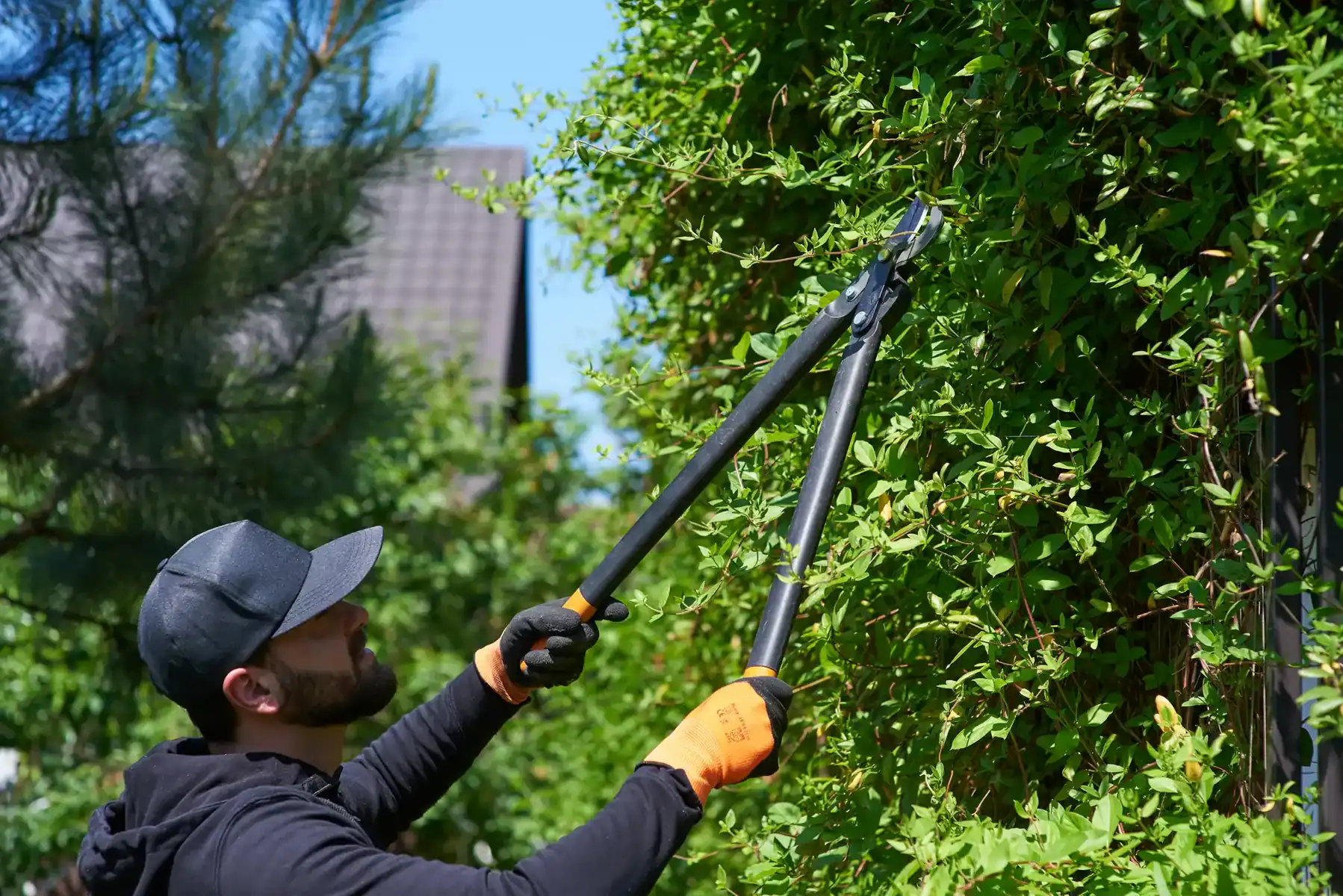
Hear from Our Customers
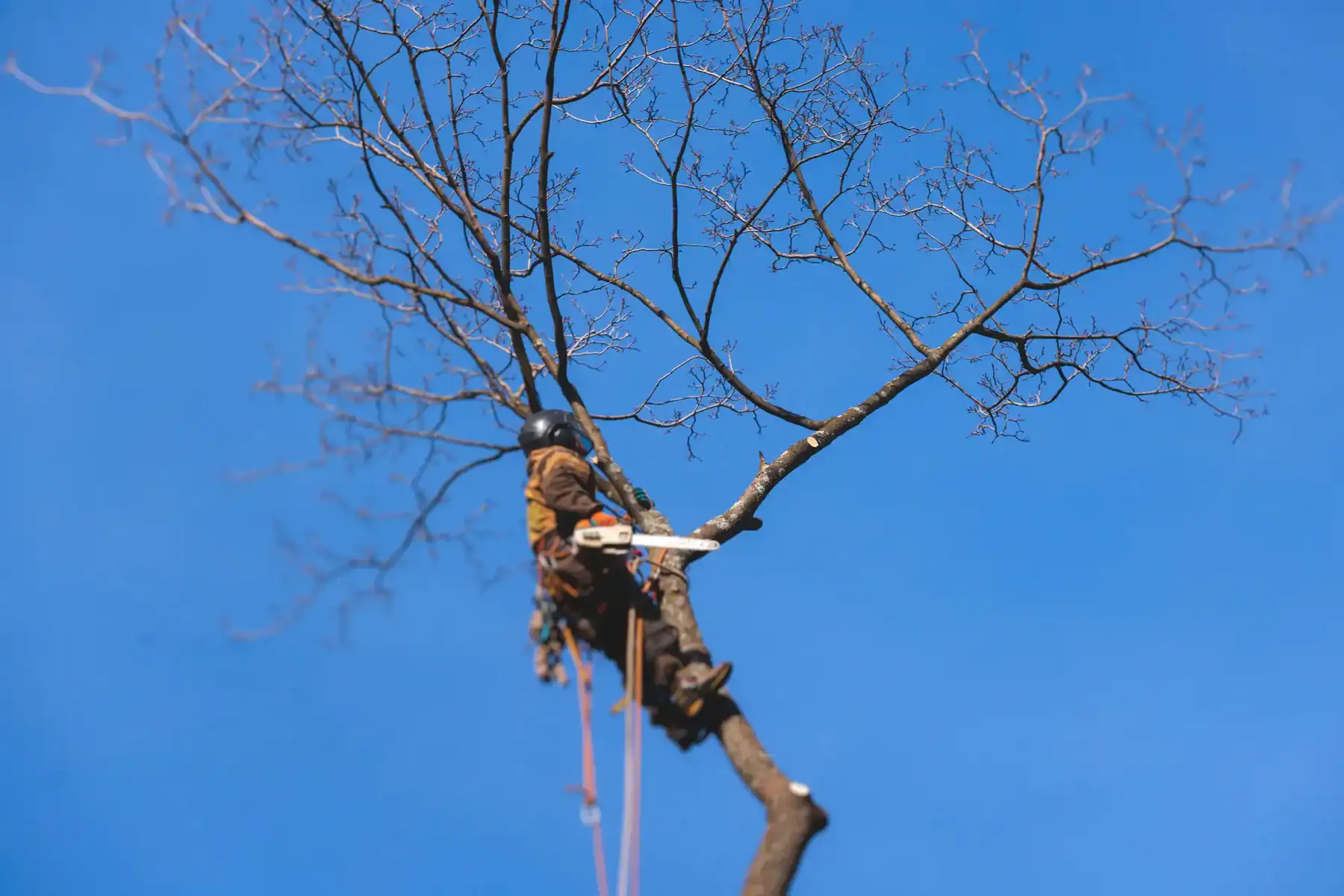
Professional Tree Pruning, Alcona County
Out here in the Alvin area, your property isn’t surrounded by a few ornamental trees in a manicured yard. You’re managing the edge between your home and one of the most densely forested interior landscapes in Michigan’s Lower Peninsula. The Au Sable State Forest system runs through this entire region, and second-growth forest doesn’t wait for an invitation.
Canopies push toward rooflines, outbuildings, and driveways continuouslywhat was a safe clearance two seasons ago may be a hazard today. Professional tree pruning changes that. Dead limbs stop being a liability hanging over your cabin roof. Overgrown canopy that’s been creeping toward the structure gets pulled back and shaped so it stays that way longer.
You’re not just cleaning up what’s already a problemyou’re preventing the next one before it has a chance to develop. For seasonal property owners who aren’t here year-round, that matters even more. Returning in spring or ahead of hunting season to find storm-broken limbs and overgrown trees is a familiar situation in this part of Alcona County. Getting us in to assess and address it quickly means you spend your time on the property, not managing it.
Tree Care Services in Alcona County, MI
We’re a family-owned operationI lead every job in the field, and Cecilia handles communication and scheduling on the back end. When you call, you’re talking to the people who will actually show up and do the work. There’s no dispatcher routing you to a subcontractor, and there’s no guessing about who’s coming to your Alvin property.
With over seven years of experience working across Michigan, we’ve handled everything from suburban yards in Oakland County to rural properties surrounded by northern Michigan forest. We carry full general liability insurance and workers’ compensation coveragesomething worth asking about before any contractor sets foot on your land, especially in a rural area like Alcona County where uninsured operators aren’t unheard of.
Every job comes with a 30-day workmanship guarantee. If something isn’t right after the work is done, it gets made right. That’s not a common commitment in this industry, and we stand behind it.
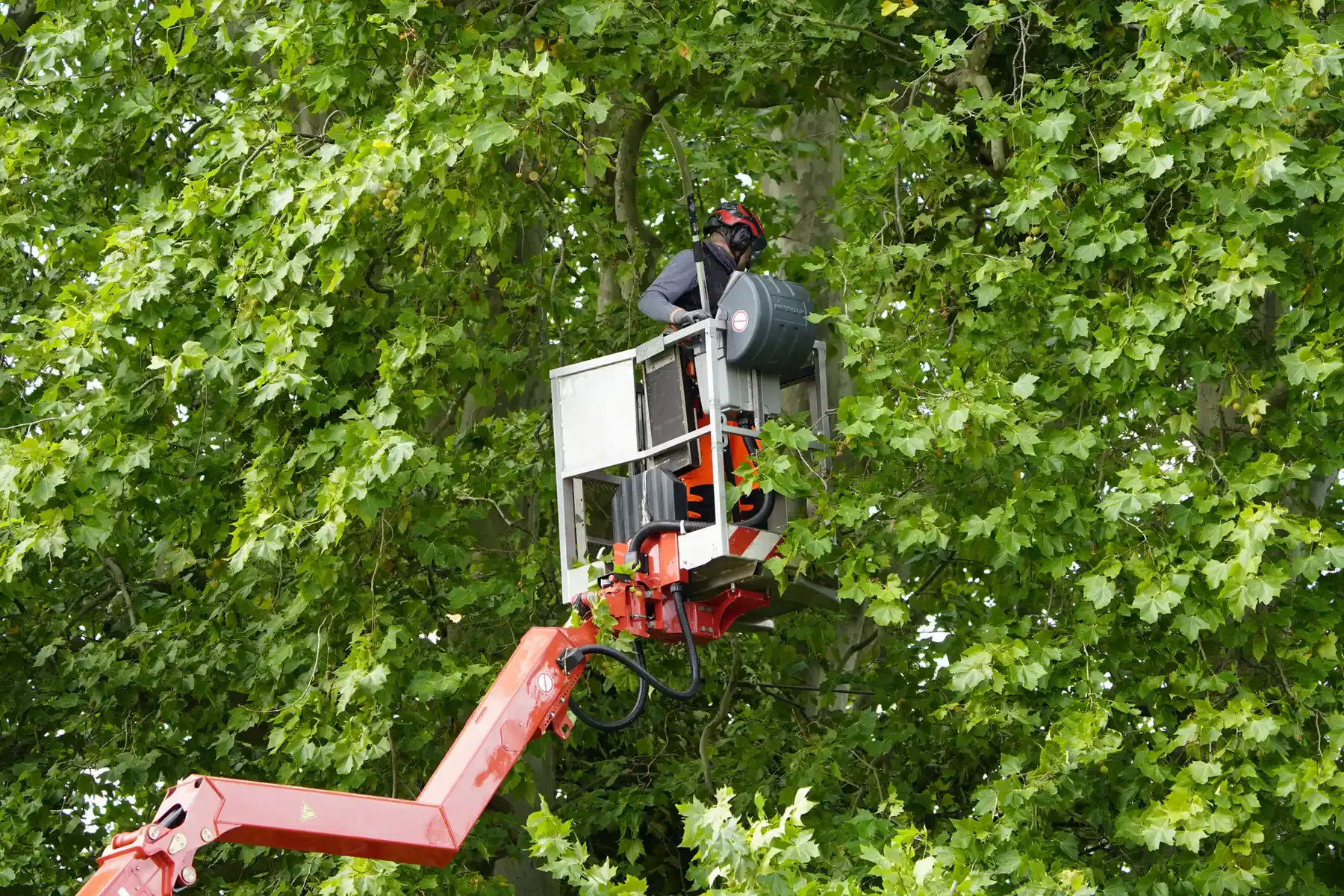
Tree Pruning Process for Alvin Properties
It starts with a property visit. I come out, walk the site with you, take a look at the trees in question, and talk through what you’re dealing withwhether that’s storm-damaged limbs from a rough winter, canopy that’s grown too close to the structure, or trees that just haven’t been touched in years.
From there, you get a clear, written estimate. No vague ranges, no pressure to decide on the spot. Once you’re ready to move forward, the crew comes in with the right equipment for the job. For properties in the Alvin area, that often means working around gravel driveways, outbuildings, and the kind of tight access that comes with rural parcels.
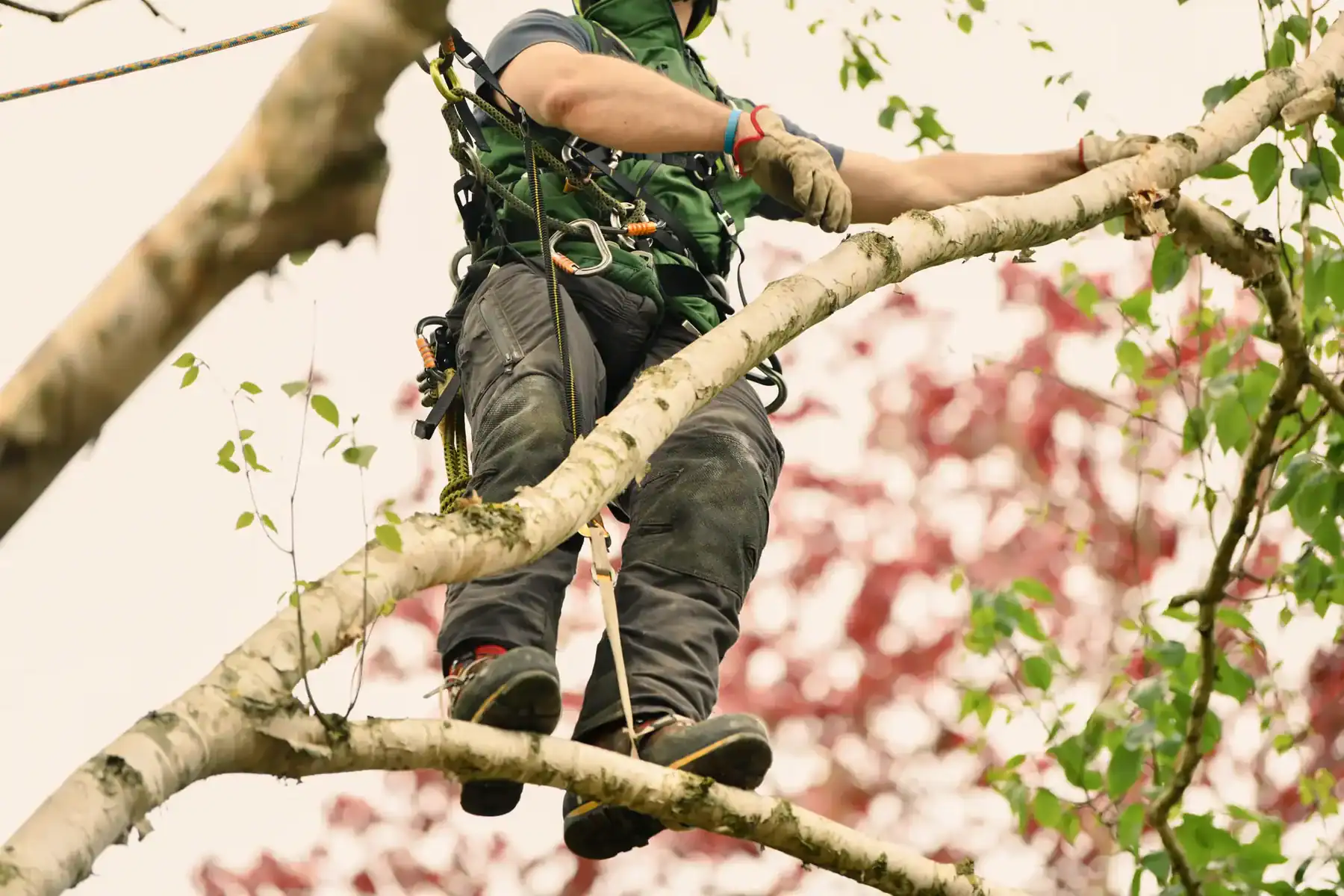
The work is done with controlled cutsrigging where needed, proper technique throughout. Nothing gets hacked. Cuts are made at the right points so the tree can heal naturally and hold its structure going forward. One thing worth knowing if you have red oaks on your property: Northeast Michigan sits in an active oak wilt concern zone. We plan pruning work with the Michigan DNR’s advisory window in mindno red oak pruning between April 15 and July 15, when sap beetles can carry the disease directly into fresh wounds.
If a storm forces an emergency cut during that period, we seal the wound immediately. That’s not optional; it’s how you protect the tree. When the work is done, the debris goes with us. Brush, limbs, woodit gets hauled out. Your property looks clean when we leave.
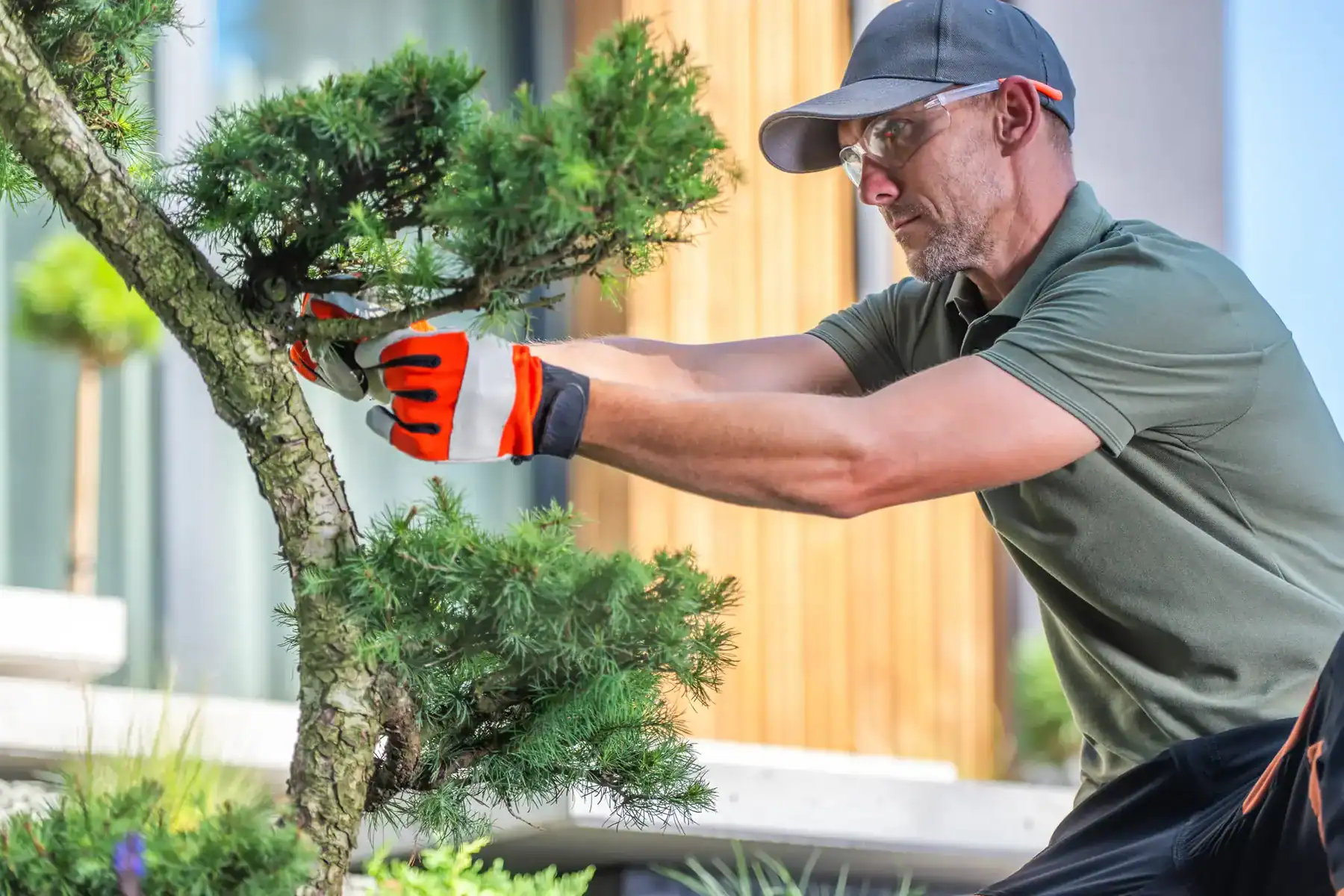
Ready to get started?
Tree Trimming and Canopy Thinning, Alvin MI
Tree pruning covers a range of work depending on what your trees actually need. Crown reduction pruning brings back the overall size of a tree that’s grown too large for its spaceparticularly useful when a mature tree has pushed close to a roofline or outbuilding.
Tree canopy thinning removes interior branches to improve light penetration and airflow without changing the tree’s overall shape, which is often the right call for dense canopies that have become structurally heavy. Dead branch removal addresses limbs that are already gonehanging dead wood is one of the more immediate hazards on any rural property, especially heading into Michigan’s ice storm season.
For properties in Alvin and the surrounding Mikado Township area, the work often involves trees that have been growing unchecked for years, sometimes on seasonal properties where no one’s been managing them regularly. That means the first visit frequently involves more than a light trimit’s a full assessment of what’s healthy, what’s at risk, and what’s just overgrown.
Every service includes cleanup. The debris doesn’t stay on your property. We also offer stump grinding, emergency tree service for storm damage, and additional services like mulch spreading and grass seeding if the job disturbs ground cover. The estimate covers everything discussed before work beginsno add-ons after the fact.
When is it safe to prune oak trees on my Alvin property?
This is one of the most important timing questions for property owners in Alcona County, and the answer is specific to this region. The Michigan DNR advises against pruning any tree in the red oak groupwhich includes northern red oak, black oak, and northern pin oakbetween April 15 and July 15.
During that window, sap beetles are active and can carry oak wilt fungal spores directly into fresh pruning wounds. Oak wilt moves fast in red oaks; a tree can die within weeks of infection. The safest window for pruning red oaks is during dormancy, roughly November through early April, when beetle activity is minimal and the tree isn’t actively moving sap.
If a storm breaks a limb during the high-risk period and you have no choice but to make a cut, the wound should be sealed immediately with latex paintthat’s the DNR’s recommended protocol to block beetle access. Northeast Michigan foresters flagged in 2026 that storm-damaged trees in this region are especially vulnerable to oak wilt because open wounds from broken limbs give beetles a direct entry point. If you have red oaks on your Alvin property and they took any damage over the winter, getting them assessed before April 15 is the smart move.
What's the difference between tree trimming and tree pruning?
The terms get used interchangeably, but they’re not quite the same thing. Tree trimming is primarily about appearanceshaping a tree so it looks neat, clearing branches that have grown past where you want them, or maintaining a certain size. It’s largely aesthetic work.
Tree pruning goes a step further. It’s focused on the health and structure of the treeremoving dead, diseased, or crossing branches that are putting stress on the tree or creating a hazard. A good pruning job considers how the tree grows, where cuts should be made so the tree can heal properly, and what the canopy will look like two or three years from now, not just today.
For most properties in the Alvin area, you need both. The canopy management workkeeping trees from pushing into structures and power dropshas a trimming component. But on rural properties surrounded by forest, where trees have often been growing without intervention for years, the structural and health side of pruning matters just as much. Removing dead wood, addressing crossing limbs, and making sure the canopy isn’t carrying more weight than it should are all part of what keeps a tree stable through northern Michigan winters.
How do I know if my trees need pruning or if they're actually a hazard?
There are a few things to look for. Dead branches are the most obviousif a limb has no leaves when the rest of the tree is leafed out, or if the bark is cracking and falling away, that branch is already gone and it’s just a matter of when it comes down. Hanging dead wood over a structure, a driveway, or an area where people spend time is a real liability.
Beyond dead wood, look at how the canopy relates to your structures. If branches are touching or rubbing against a roofline, they’re creating entry points for moisture and pests. If the canopy has grown dense enough that you’re losing light to the interior of the tree, it may be carrying more weight than it shoulda concern heading into ice storm season in northern Michigan, where ice loading can cause catastrophic limb failure even on otherwise healthy trees.
Crossing limbs that rub against each other create wounds that don’t heal cleanly and can become disease entry points over time. If you’re not sure what you’re looking at, a property visit and honest assessment is the right starting point. We come out, take a look, and tell you what’s actually thereno pressure to do more than what makes sense.
Does tree pruning hurt the tree if it's done wrong?
Yes, and it’s more common than most people realize. The most damaging thing a tree service can do is top a treecutting the main leader or major branches back to stubs. It’s sometimes marketed as a way to “reduce the size” or make a tree “safer,” but it does the opposite.
Topping creates multiple weak shoots that grow back fast and attach poorly to the tree’s structure. Those shoots are more likely to fail in a future storm, not less. It also opens large wounds that the tree can’t close properly, inviting decay and disease. Improper cutsmade too close to the trunk (flush cuts) or too far out (leaving stubs)prevent the tree from forming a callus over the wound. That’s how rot gets in.
The right cut is made just outside the branch collar, the slightly raised area where the branch meets the trunk, so the tree’s natural healing response can do its job. The other mistake is removing too much at once. Taking more than about 25% of a tree’s foliage in a single session puts serious stress on the tree and can trigger a survival response that weakens it long-term. A professional pruning job is measured and deliberatenot just cutting until it looks smaller.
Do you handle storm-damaged trees and emergency pruning in Alcona County?
Yes. We offer 24/7 emergency response for storm-damaged trees and hazardous limb situations. In northern Michigan, that’s not a minor offeringice storms and high winds in this region regularly cause significant limb damage, and a hanging limb over a cabin roof or driveway isn’t something you want to leave until a regular appointment opens up.
The March 2026 storms that moved through northern Michigan are a good example of the kind of event that drives urgent calls in this areatrees with broken tops, limbs hanging from ice loading, and open wounds that needed attention before the oak wilt season window opened. Getting that work done promptly, and correctly, matters both for immediate safety and for the tree’s long-term health.
When you call for emergency service, we come out to assess the situation, stabilize what needs to be stabilized, and give you a clear picture of what the full scope of work looks like. If it’s a red oak and the timing puts you in the high-risk window, the wound gets sealed immediately as part of the emergency response. The goal is to address the hazard without creating a new problem in the process.
Will you actually travel out to Alvin, or is it outside your service area?
Alvin and the surrounding Mikado Township area are within our service coverage. Rural Alcona County properties are not outside our rangeand the distance from more populated areas doesn’t change the quality or completeness of the work.
This is worth asking directly because it’s a real concern for property owners in the interior of Alcona County. A lot of contractors list broad service areas but aren’t willing to make the drive when it actually comes to scheduling. We confirm coverage upfront, and the estimate visit is part of the process regardless of locationI come to the property, walk it with you, and provide a written price before any work begins.
For seasonal property owners especially, this matters. If you’re coordinating a visit around a hunting trip, a summer cabin opening, or a post-winter inspection, you need a company that will actually show up when scheduled and complete the work within the window you have. That’s the expectation we operate under, and it’s reflected consistently in how customers describe their experienceresponsive, on time, and done when we said it would be done.
Other Services we provide in Alvin