
Storm Damage Tree Service in Alvin, MI
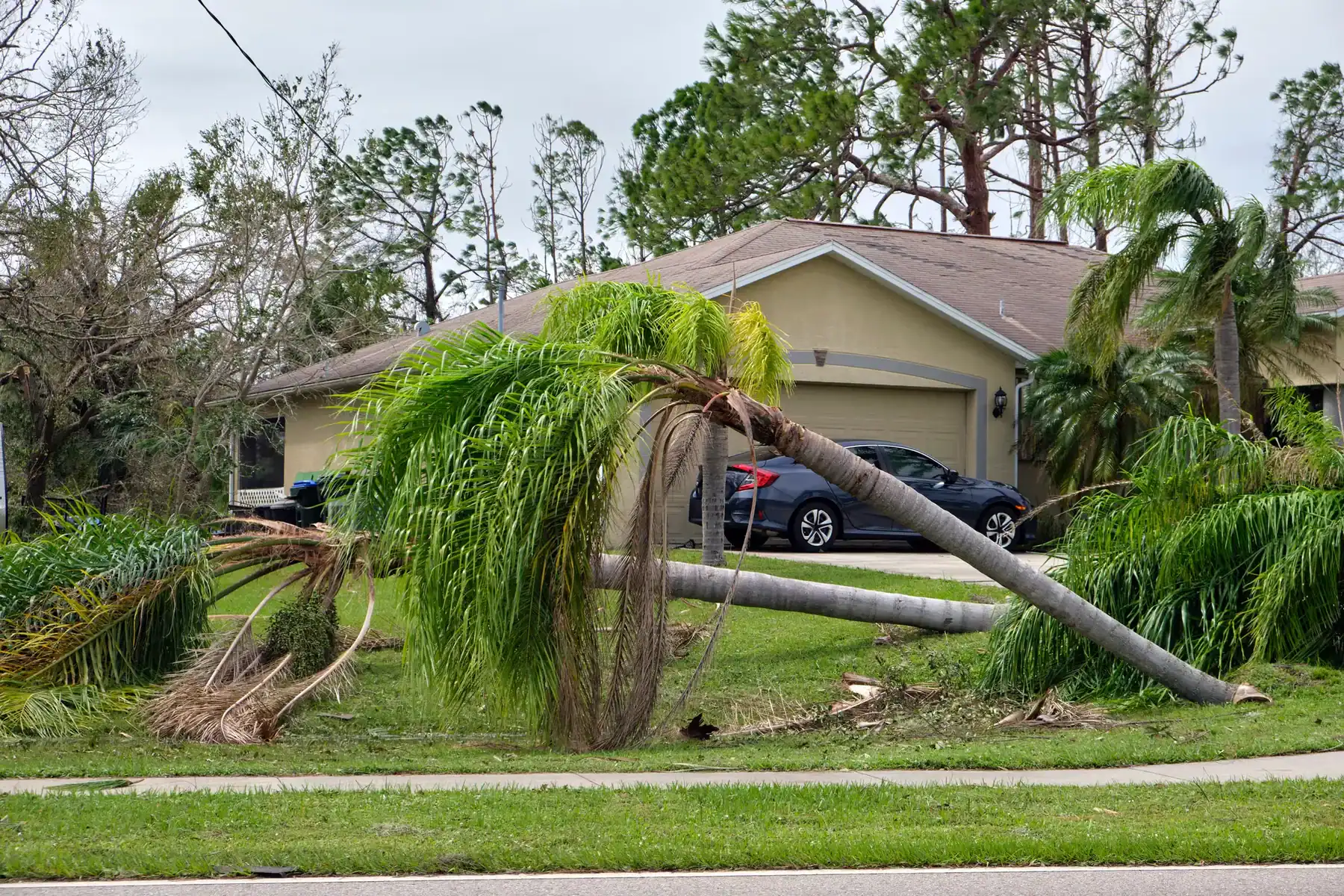
When Ice Storms Leave Alvin Surrounded by Fallen Trees
Hear from Our Customers
Emergency Tree Clearing in Alcona County
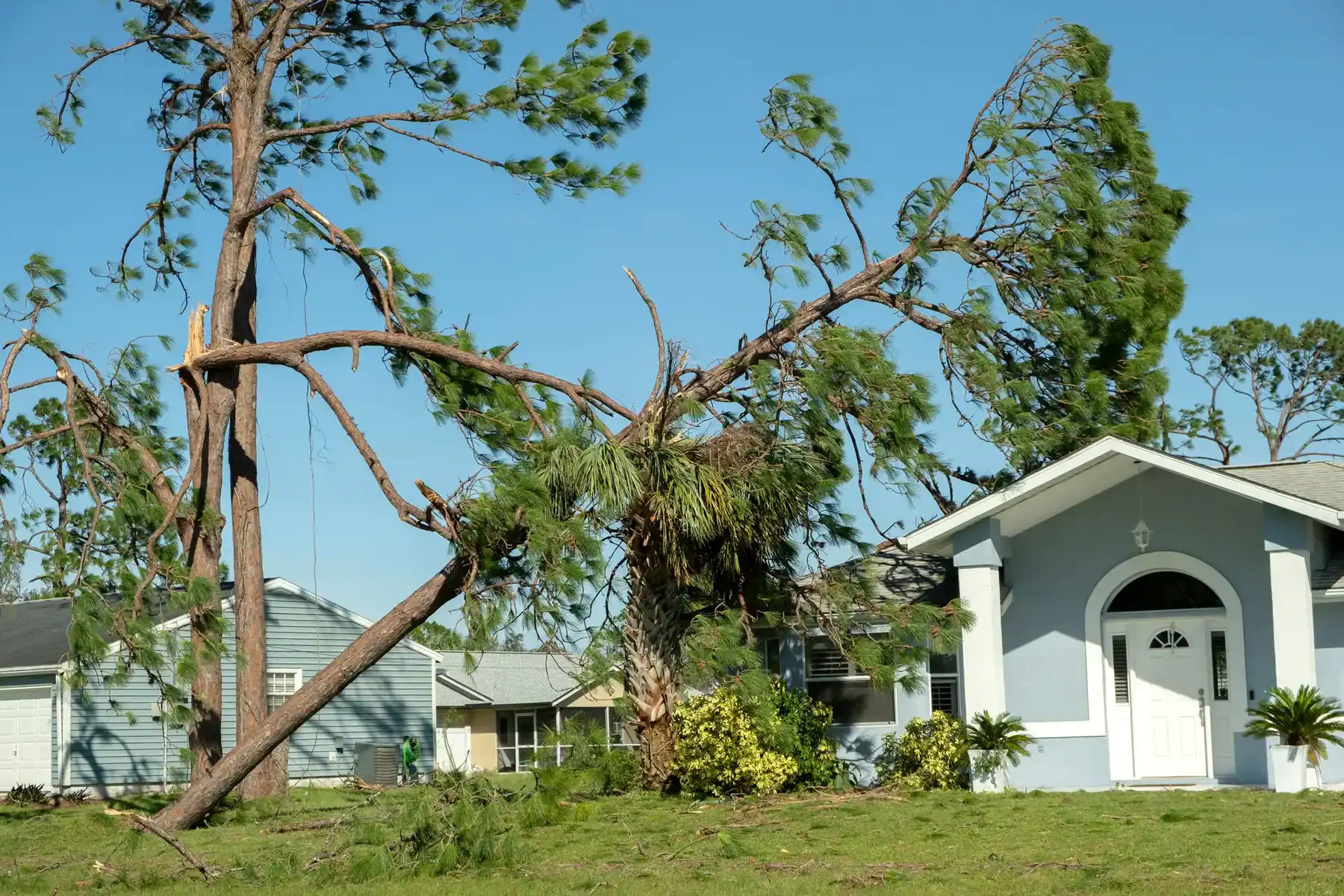
When a tree comes down in Alvin, the problem doesn’t stop at the tree itself. You’ve got a blocked driveway, a damaged structure, maybe a hanging limb still threatening your roofand in a rural hamlet like this one, you’re not exactly surrounded by options. The nearest commercial services are in Harrisville or Lincoln. After a major storm, those local providers are overwhelmed fast. What you actually need is a company that commits to showing up, not one that puts you on a waitlist.
The March 2025 ice storm that earned Alcona County a federal disaster declaration made this reality impossible to ignore. Trees that had been standing for 80 or 100 years split under ice weight, root plates heaved out of frozen ground, and power lines went down across county roads including the F-30 corridor connecting Mikado Township to the outside world. That kind of damage doesn’t just need a chainsawit needs a crew with the right equipment, the experience to work safely around compromised utility lines, and the follow-through to leave your property clean when we’re done.
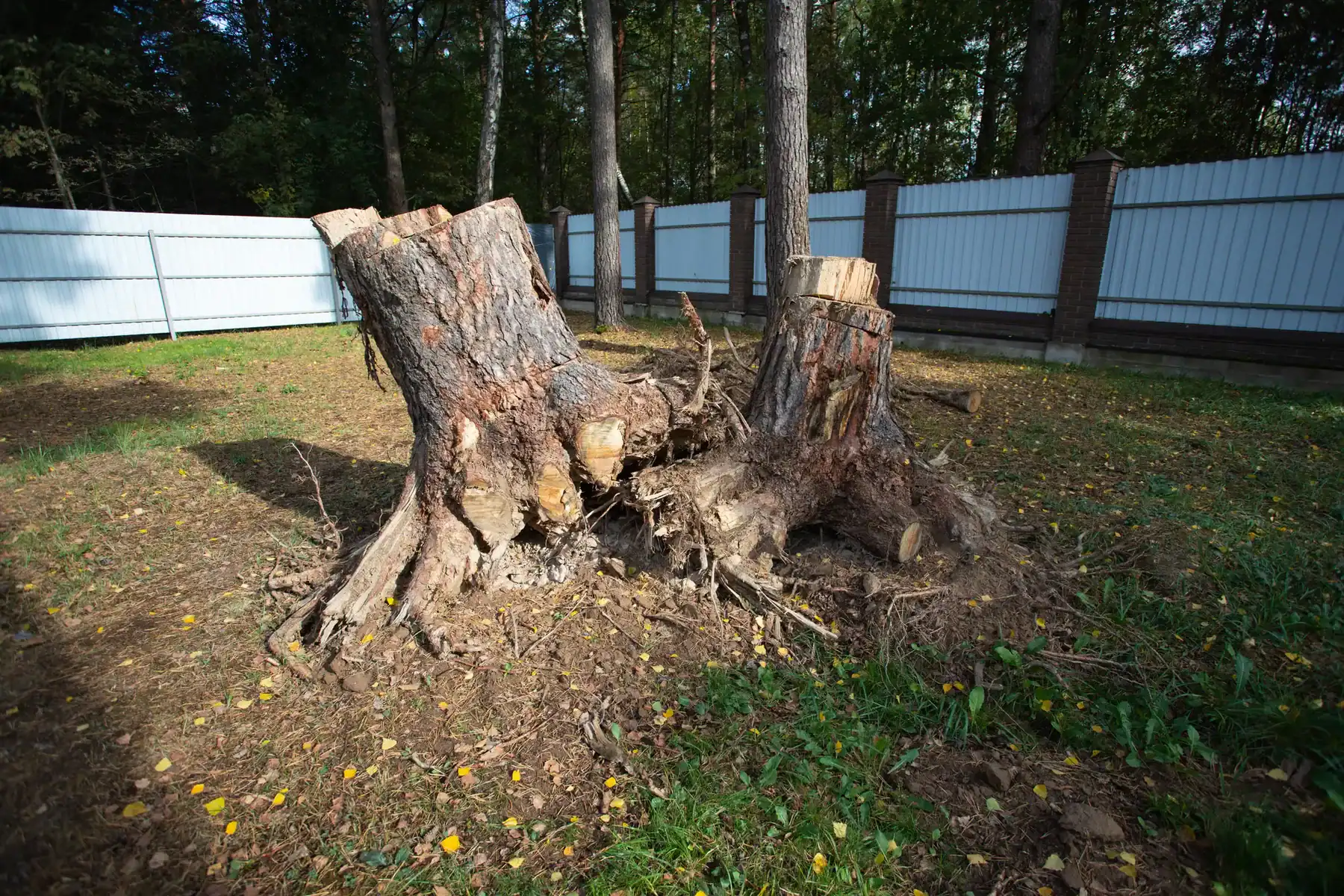
We handle the full picture. The tree comes down, the stump gets ground, debris gets cleared, and if your yard needs topsoil or reseeding after the work, that’s available too. One call, one company, one job done rightnot three separate contractors and three separate schedules.
Licensed Tree Service in Alcona County, MI
Ivan’s Tree Services LLC is a family-owned operation run by Ivan, who leads every field crew, and Cecilia, who handles scheduling and communication. When you call after a storm, you reach a real personnot a call center routing your request to whoever’s available. That matters when a tree is on your roof and you need a straight answer about when someone can be there.
With over seven years of experience across multiple states and environments, Ivan brings a depth of knowledge that goes beyond a single region. He understands how ice loading behaves on mature second-growth hardwoodsexactly the kind of trees that define Alvin’s wooded rural lots along Mitchaud Road and Alvin Road. He knows what a compromised root plate looks like and what it means for the trees still standing around it.
We’re licensed and insured, and that’s verifiablenot just a claim on a website. In a post-storm market where unlicensed door-to-door crews are an active and documented problem, that distinction is worth something real.
Storm Damage Cleanup Process in Mikado Township
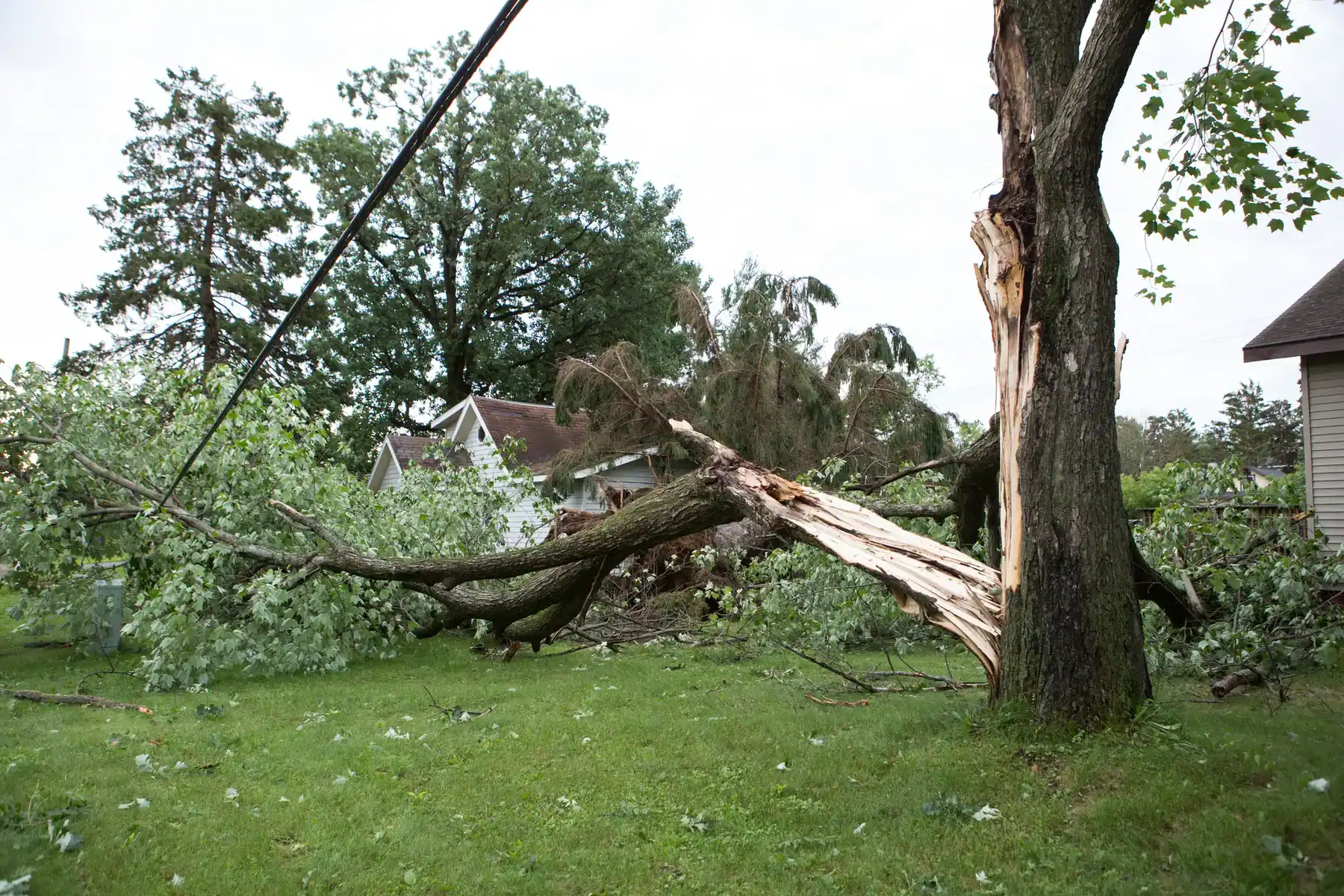
It starts with a call. Cecilia manages scheduling and she’ll get the detailswhat came down, where it landed, whether there’s a structure involved, and whether you’re dealing with anything near a power line. That last part matters more in Alvin than it does in a suburb. Rural utility infrastructure in Mikado Township runs close to tree lines, and after an ice storm, the interaction between downed trees and compromised lines creates conditions that require specific training and equipment to work around safely.
Once our crew arrives, the first priority is assessing what’s hazardous and what can wait. A tree on a structure gets addressed before a stump in an open yard. If there are hanging limbswhat arborists call widow-makersthose come down before anything else moves. This sequencing isn’t just procedure; it’s how you keep the job from turning into a second emergency.
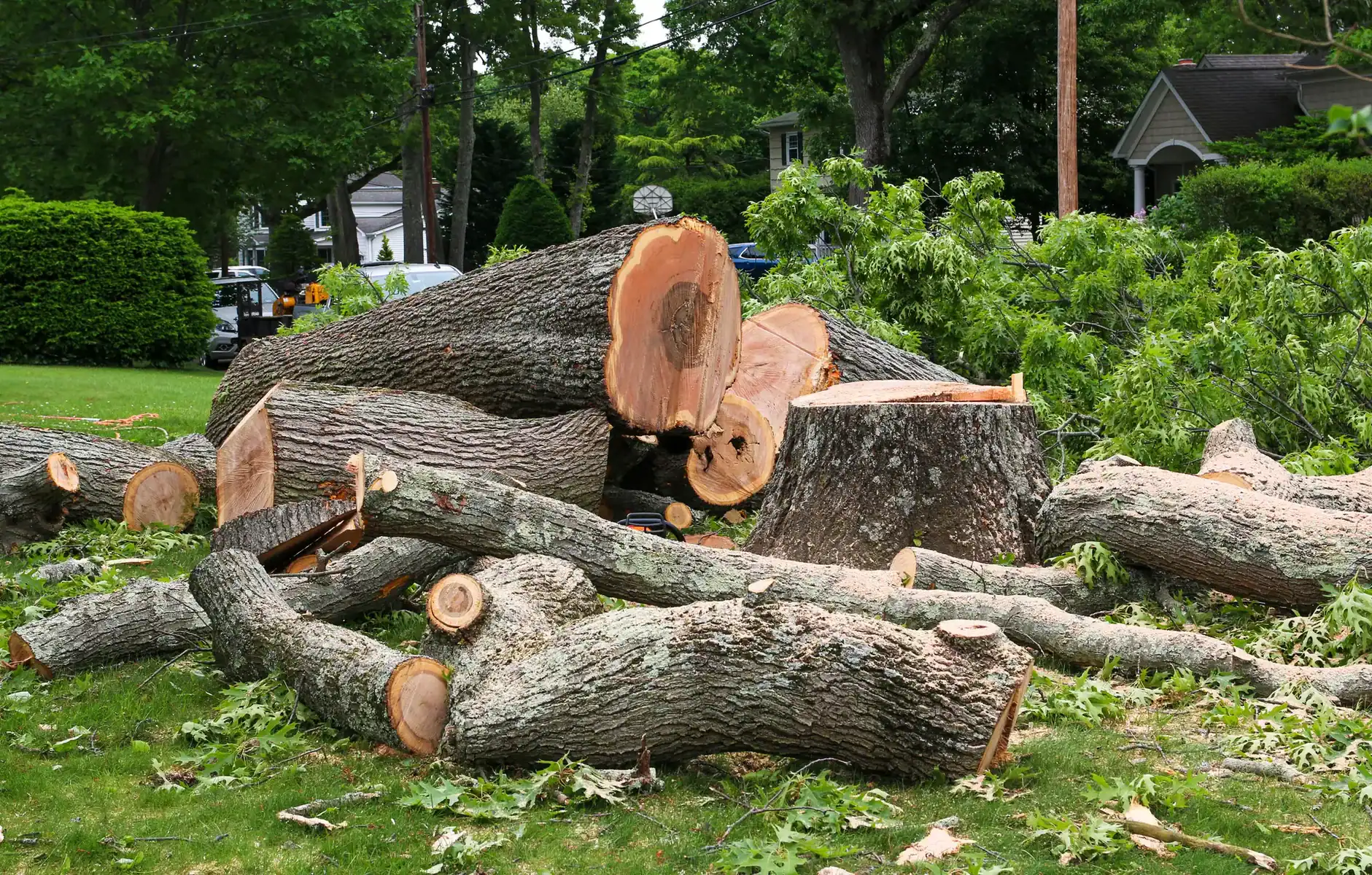
After the primary work is done, the cleanup is part of the job, not an add-on. Debris gets removed, not piled at the end of your driveway. If the removal leaves a stump, we can grind it. If the ground is disturbed, topsoil and reseeding are available. On a rural property in Alcona County where your next-door neighbor might be a quarter mile away, you shouldn’t be left managing the aftermath alone.
Ready to get started?
Fallen Tree Removal Service in Alvin, MI
Storm damage work in Alvin covers more ground than a standard tree removal job. The properties here are large, wooded, and often have mature trees growing close to structureshomes, outbuildings, hunting camps, and seasonal cabins that sit directly under decades-old canopy. When ice or wind brings one of those trees down, the removal involves careful rigging, equipment suited for tight rural access, and a crew that knows how to read the conditions before making a cut.
We handle tree removal for both standing hazardous trees and fallen ones, stump grinding, hazardous limb removal, and full debris cleanup. For Alcona County property ownersincluding the significant number of seasonal residents who may not discover storm damage until weeks after it happenedwe can assess what occurred, document the damage thoroughly, and complete the work in a way that supports your insurance claim process. Michigan homeowners policies typically cover tree removal when a tree falls on an insured structure due to a covered peril like wind or ice, but the documentation you provide matters.
Alvin sits in a township with no permit requirement for residential tree removal on private property, which means there’s no bureaucratic delay between the call and our crew arriving. If you’re on or near DNR-managed land along one of the forest road corridors, that’s worth a quick confirmationbut for most residential properties in Mikado Township, the job can move as fast as the schedule allows.
Does homeowners insurance cover fallen tree removal in Alcona County, Michigan?
It depends on where the tree landed. Michigan homeowners policies typically cover tree removal costs when a tree falls on an insured structureyour house, an attached garage, a fenceas a result of a covered peril like wind, ice, or lightning. Most policies cover somewhere between $500 and $1,000 per tree, sometimes capped around $2,500 per incident. If the tree fell in your yard without hitting anything, most standard policies won’t cover the removal cost, even if it was a large tree and the cleanup is significant.
For Alcona County residents, this distinction became very real after the March 2025 ice storm. A lot of properties in Alvin had trees down in open areasno structure hitand homeowners were surprised to find those removals weren’t covered. The best thing you can do right after a storm is photograph everything before any work starts, document what structure was affected if applicable, and contact your insurance company to understand your specific policy limits. We can complete the work and provide the documentation you need to support your claim, but the faster you report it, the cleaner the process tends to be.
How much does emergency tree removal cost after a storm in northern Michigan?
Emergency tree removal costs more than a scheduled removaltypically 25 to 50 percent above standard rates. In Michigan, tree removal generally ranges from $800 to $3,000 or more depending on the size of the tree, where it landed, and how complex the access situation is. A large tree on a structure near a power line in a rural area with limited equipment access will cost more than a straightforward removal in an open yard.
In Alvin and the surrounding Mikado Township area, the rural character of most properties adds real-world factors: long driveways, narrow access, trees close to structures, and the kind of mature second-growth hardwoods that have been growing since the lumbering era ended over a century ago. Those trees are big. When they come down, the removal is not a small job. We’ve consistently been cited by customers as the most competitive among multiple quotesand in a market where local options are limited after a storm, transparent pricing from a licensed, insured company is worth more than the lowest number from a crew you can’t verify.
What should I do immediately after a tree falls on my house or roof?
First, don’t go near it. If the tree is in contact with any power lines or utility infrastructurewhich is a real possibility in rural Mikado Township where lines run close to tree linestreat the entire area as live until the utility company confirms otherwise. Get everyone out of the affected part of the house if the structure is compromised, and call your insurance company to report the damage before any work begins.
Once you’ve done that, call a licensed tree service. In a true emergencytree on a roof, hanging limb over a structure, blocked road accesswaiting for multiple quotes creates real risk. Every hour a damaged tree sits on a structure, it’s adding weight and potentially causing more damage. Some insurance policies can also deny or reduce claims if there’s evidence that a homeowner failed to take reasonable steps to stop ongoing damage. We’re available 24/7 for exactly this situation. A crew that shows up, assesses the scene, and starts working is worth more in that moment than a lower estimate that arrives two days later.
How do I know if a storm-damaged tree in my yard is actually dangerous?
Most homeowners can’t tell just by looking. A tree that looks like it’s still standing fine after an ice storm may have a cracked trunk hidden by bark, a root plate that partially heaved and settled back down, or a major limb hanging by a thread above your driveway. These are called widow-makers for a reasonthey look stable until they’re not, and the next wind event or rain load can bring them down without warning.
In Alvin and across Mikado Township, the trees most at risk after the March 2025 ice storm are the large mature hardwoods that took on significant ice load. Even trees that didn’t visibly fall may have sustained structural damage that makes them hazardous. A certified arborist can assess what’s actually going onnot just whether the tree is still upright, but whether the root system is compromised, whether the canopy structure is sound, and whether the tree can be saved or needs to come down before it causes damage on its own terms. Getting an assessment after a major storm event is the practical thing to do.
Can a tree service reach my property in Alvin, MI after a major storm?
This is one of the most legitimate concerns for anyone living in a rural hamlet like Alvin. After the March 2025 ice storm, local tree service providers across Alcona County were overwhelmed almost immediately. Residents who didn’t already have a company identified were waiting days or weeks. In some cases, roads like those off County Road F-30 through Mikado Township were impassable until debris was clearedwhich created a circular problem where the people who needed help the most couldn’t get anyone in to help them.
We serve the broader Michigan area with 24/7 emergency availability and the equipment to handle rural access conditions. The honest answer is that response time after a regional disaster depends on how many calls are coming in and where you are in the queuebut having our number saved before a storm hits puts you ahead of everyone scrambling to find someone after the fact. Calling early, even during a storm event, gets your address on the schedule. Waiting until the storm passes and everyone calls at once is how you end up at the back of a very long line.
What's the difference between a hazardous limb removal and a full tree removal in Alvin?
A hazardous limb removal means taking down a specific branch or section of a tree that poses an immediate threata cracked limb hanging over your roof, a widow-maker suspended above a driveway, a split crotch that’s about to give way. The tree itself stays standing if the rest of it is structurally sound and healthy. This is often a faster, less expensive option than full removal, and in many cases it’s the right callespecially for the large mature trees in Alvin that provide real value to rural properties in terms of privacy, shade, and character.
Full tree removal makes sense when the structural integrity of the whole tree is compromisedroot plate damage, trunk splitting at the base, lightning strike through the core, or disease that’s progressed to the point where the tree is a standing hazard regardless of any single limb. In Alcona County’s second-growth forest landscape, where trees have been growing since the original lumbering era cleared the land over a century ago, you’ll find both situations after a significant ice storm. We can assess which category your situation falls into and give you a straight answer about what actually needs to happennot the most expensive option by default, but the right one for your specific tree and your property.
Other Services we provide in Alvin