
Mulch in Killmaster, MI
Zone 5b Winters Demand More Than a Bag of Mulch
Hear from Our Customers
Residential Mulch Installation Alcona County
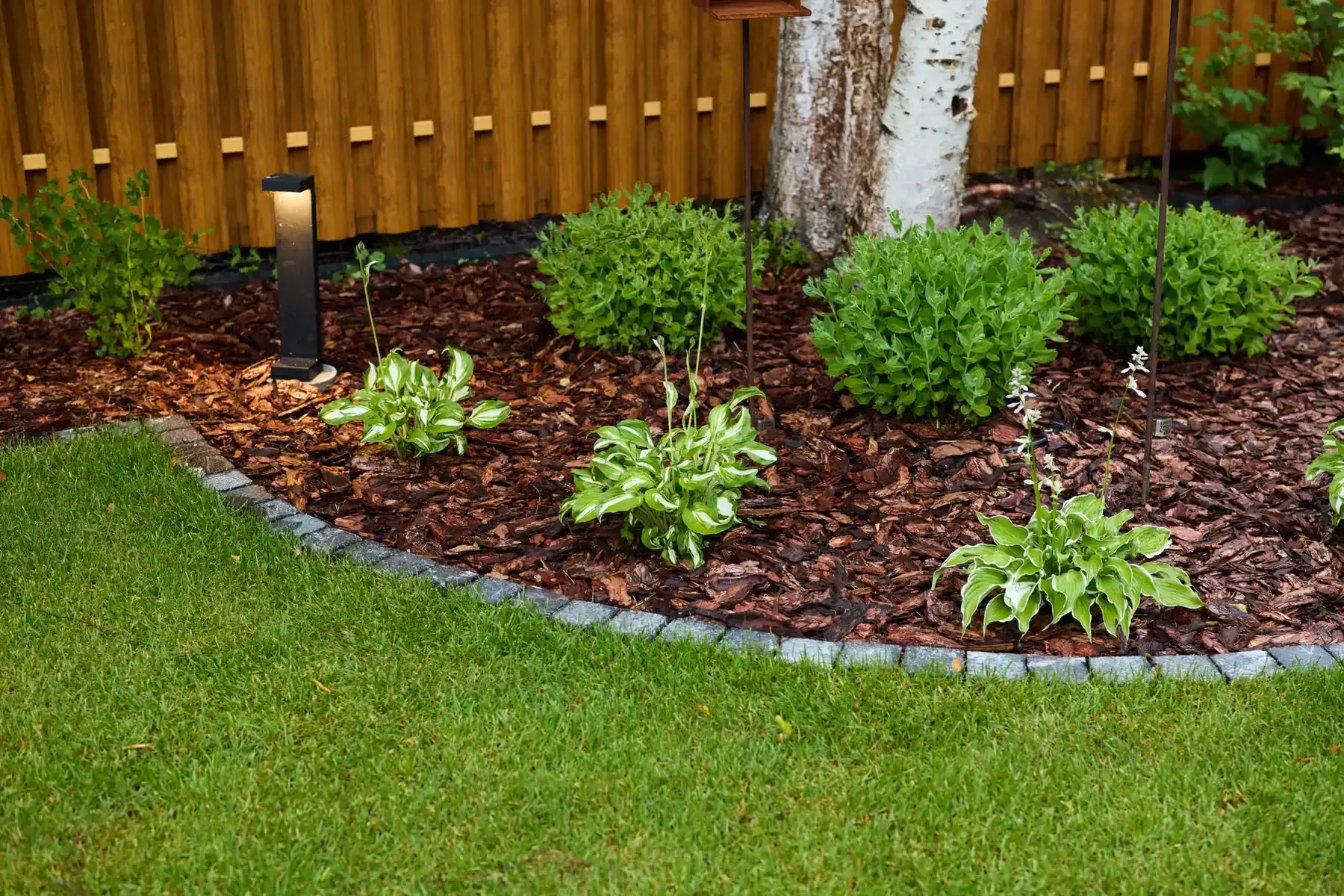
Sandy glacial soils drain fast. That’s the reality for properties in and around Killmaster, and it changes what mulch actually needs to do for you. When it’s applied at the right depthtwo to three inches, no more, no lessit can cut soil moisture loss by up to 35%. In a northern Michigan summer, that’s the difference between garden beds that hold up and ones that dry out by August.
Then there’s the winter side of things. Alcona County sits in USDA Zone 5b, where minimum temperatures can reach -15°F and the freeze-thaw cycle hits hard every spring. Properly installed mulch insulates root systems through that cycle. It’s not decorative protectionit’s functional protection, and it matters more here than it does in most of the state.
Beyond moisture and temperature, a correctly installed mulch layer can suppress weed germination by up to 90%. That kind of result doesn’t come from dumping material on top of existing weeds. It comes from proper bed preparation, correct depth, and mulch that’s actually placed to do its jobwhich is what we focus on every time.
Tree Service Mulch Experts Near Lincoln, MI
We’re a family-operated tree care company with ISA-certified arborists and more than seven years of hands-on experience across different climates and tree species. Ivan leads every job in the field. Cecilia handles scheduling and communicationso when you reach out, you’re talking to a real person who knows your project, not a call center routing your request somewhere.
That matters more in a rural area like Gustin Township than it does anywhere else. Service providers in Killmaster and Alcona County are scarce, and the ones that do show up don’t always follow through. We’ve built our reputation on doing the oppositeshowing up when scheduled, communicating clearly, and backing the work with a 30-day workmanship guarantee.
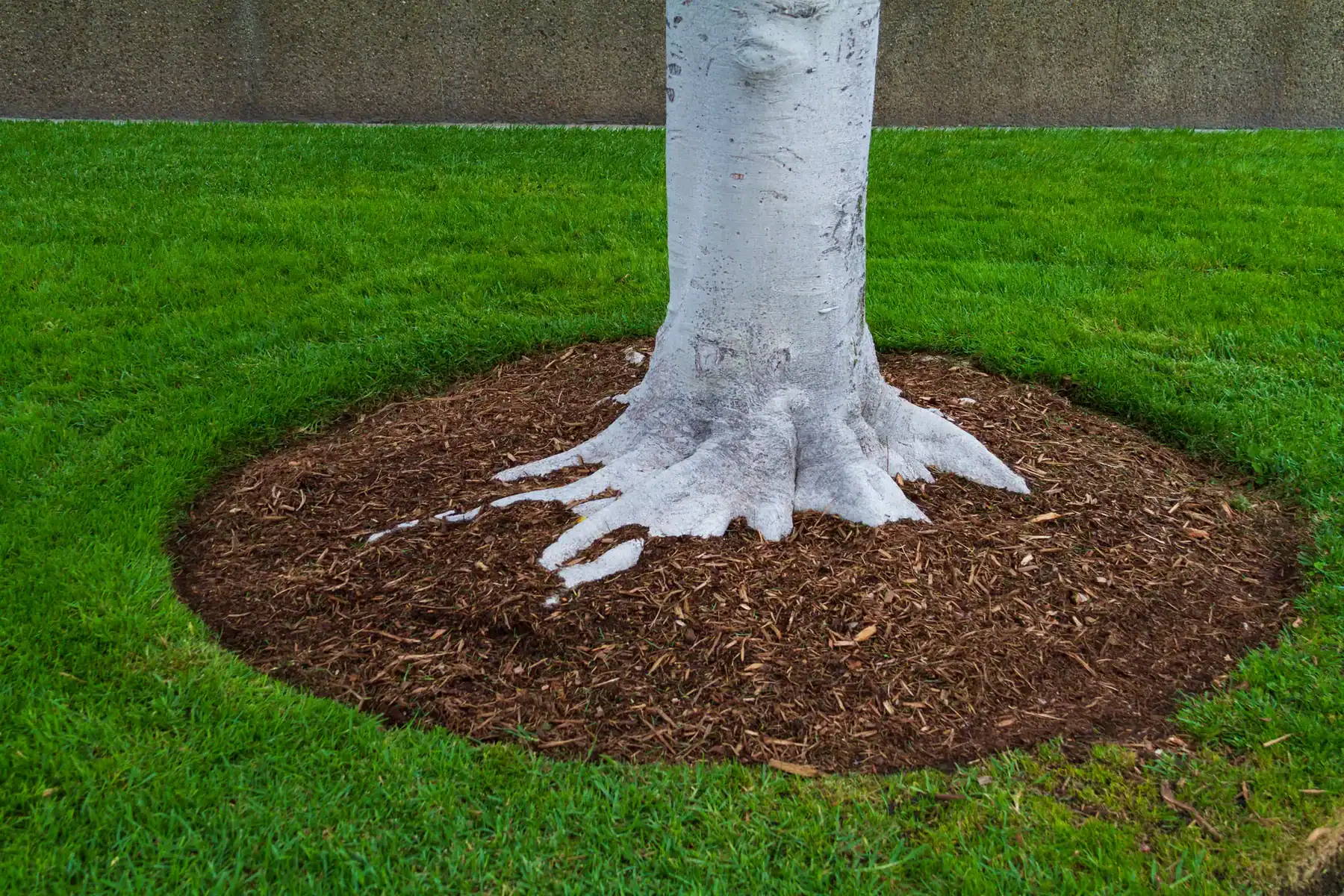
The arborist background isn’t just a credential to mentionit directly affects how mulch gets applied. Understanding root zones, trunk flare, and soil health means we install mulch in a way that protects your trees, not just your beds. That’s a different approach than a landscaping crew spreading material and moving on.
Mulch Delivery and Installation Killmaster, MI
It starts with a conversation. You describe the propertythe beds, the trees, the areas you want coveredand we give you a clear, no-obligation estimate. For properties in the Killmaster area, that conversation often includes a few questions specific to your site: the soil conditions, what’s currently in the beds, whether there are mature pines or hardwoods nearby that need careful attention around their root zones.
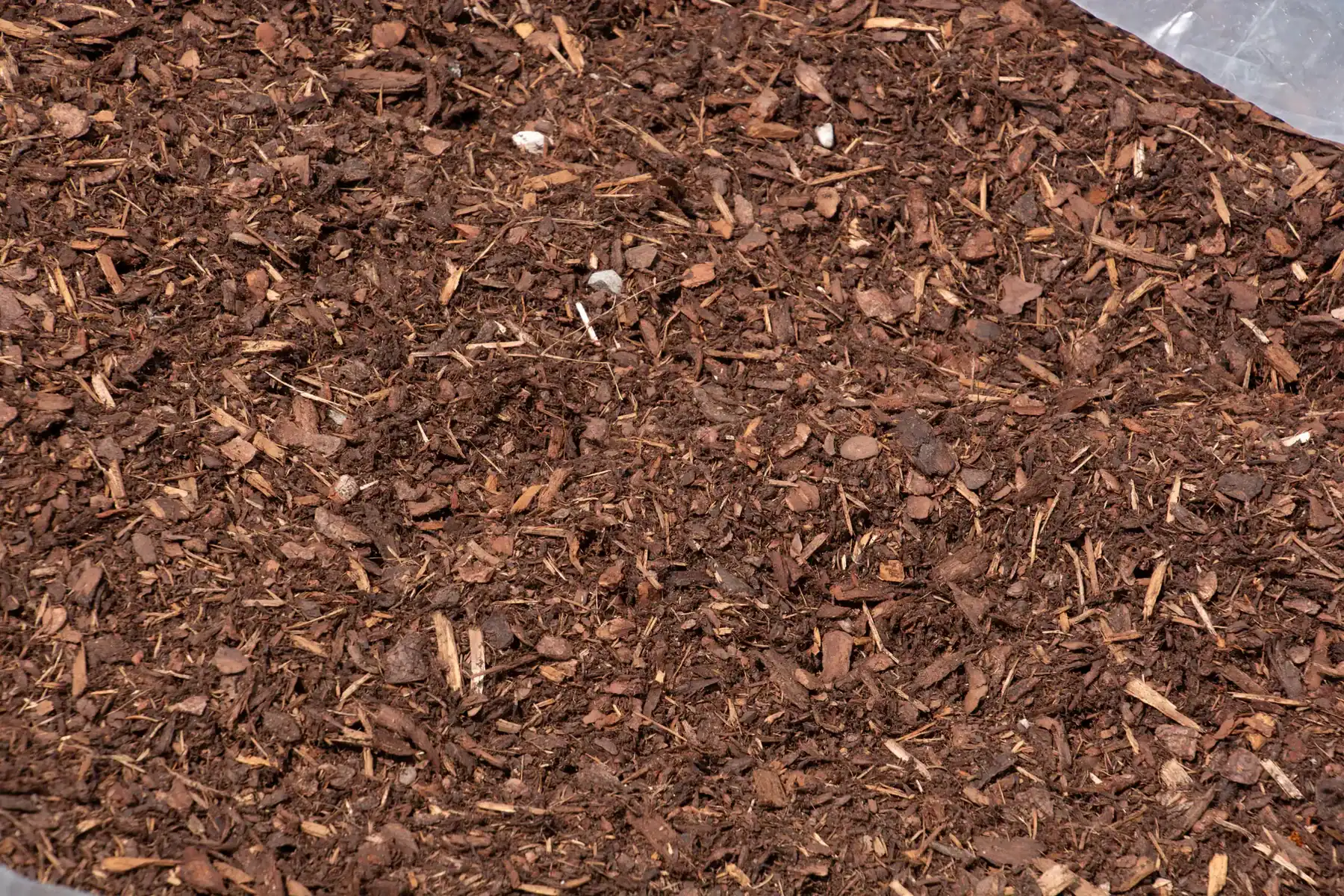
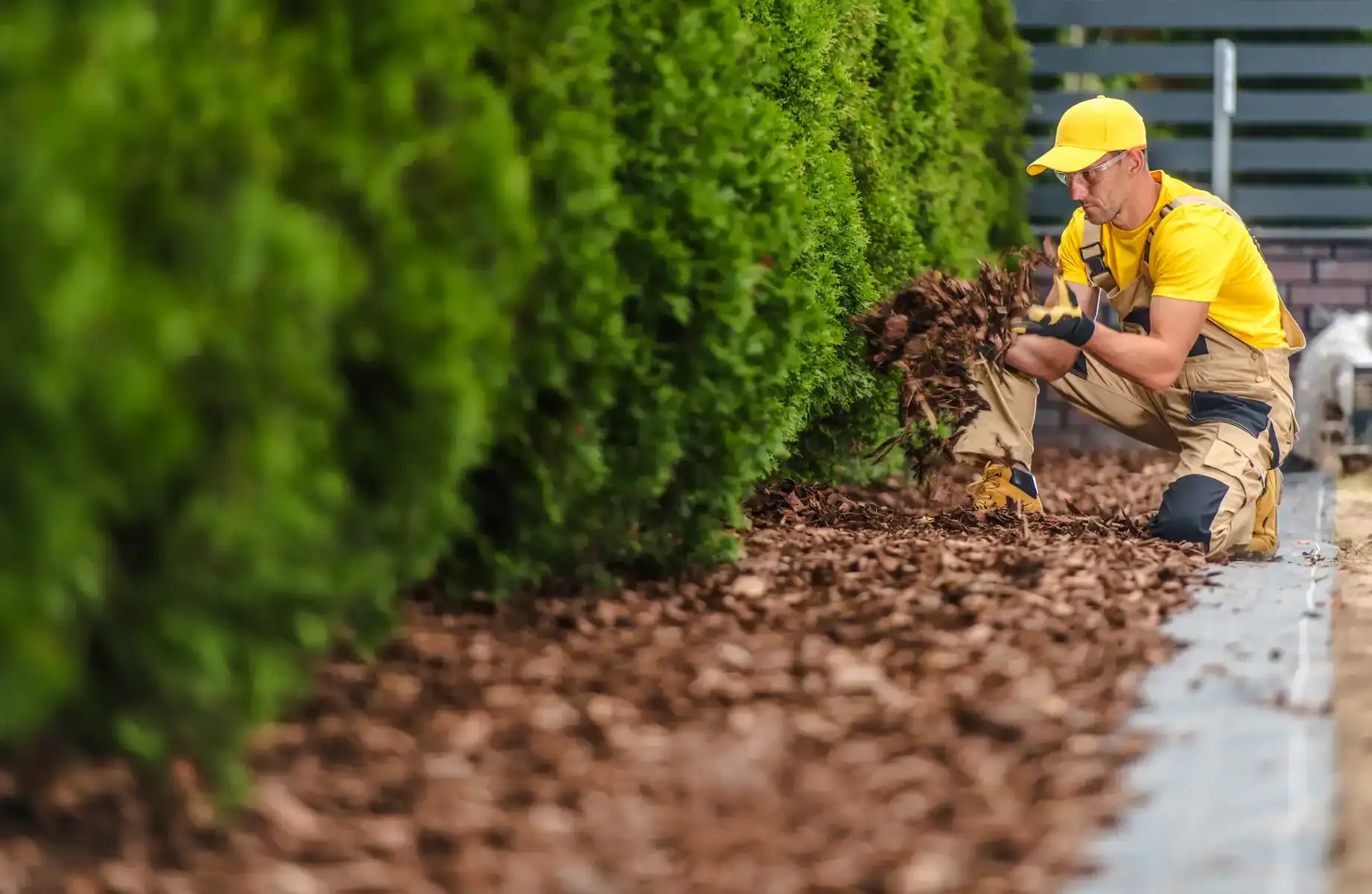
Once you’re ready to move forward, we handle everything from that point. The mulch is sourced from repurposed tree worknatural, organic material, not dyed or chemically treated product. Beds get cleared of existing debris and weeds before anything goes down, because skipping that step is exactly why mulch jobs fail to suppress weeds the way they should. Then the mulch is installed at the correct depth, with the right clearance kept from tree trunks to prevent bark damage.
For seasonal property owners in the Killmaster area who may not be on-site during the spring installation window, the process is designed to work remotely. Cecilia manages all scheduling and communication, so you can book from downstate, get updates, and know the property is ready before you arrive. After the job is done, the site is cleaned up and the work is documented. The 30-day guarantee covers the workmanshipif something isn’t right, we make it right.
Ready to get started?
Bulk Mulch and Garden Bed Mulching Alcona County
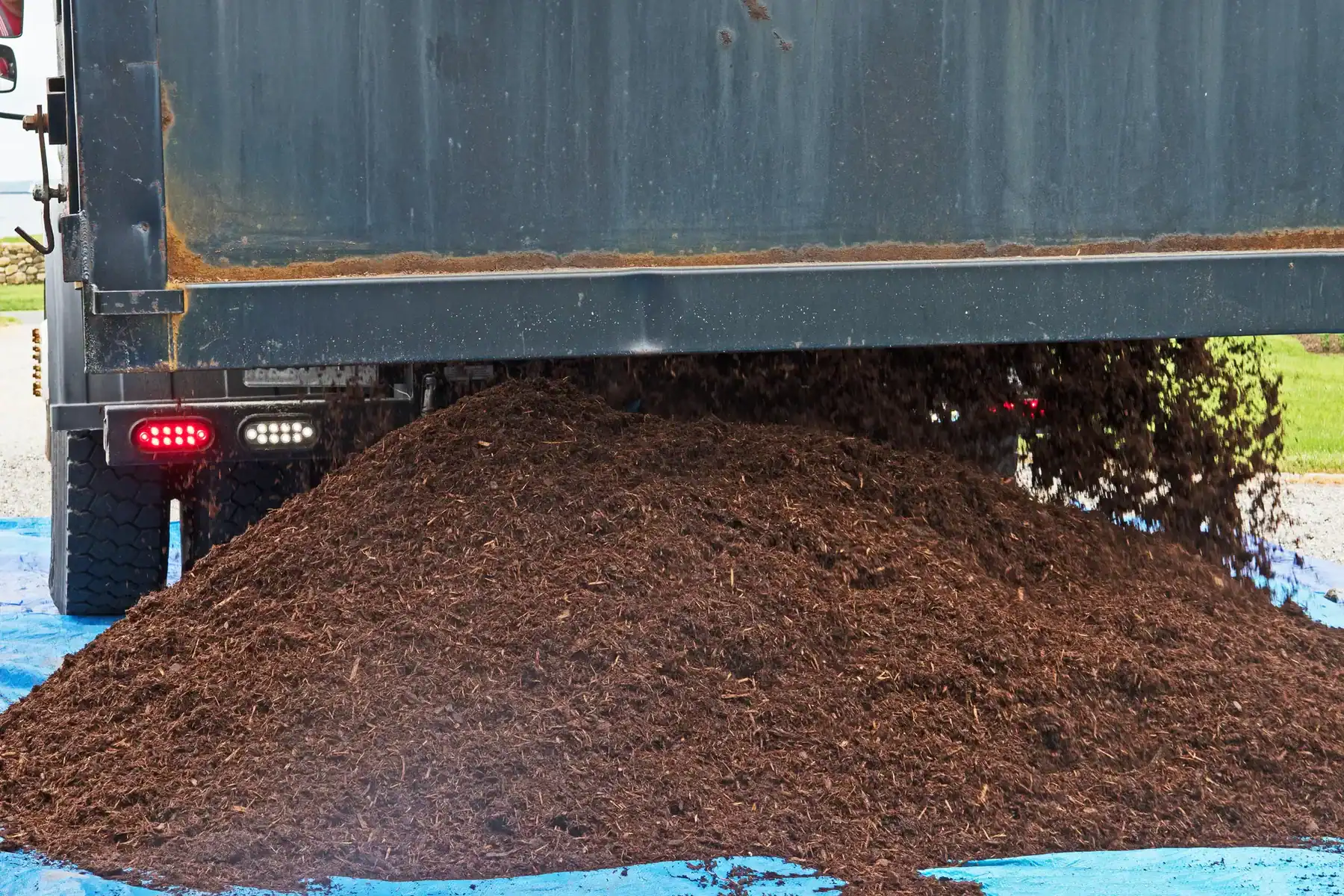
We offer full residential mulch installationthat means measuring, sourcing, delivering, prepping the beds, installing at the correct depth, and cleaning up when finished. This isn’t a drop-and-go service where bulk mulch gets dumped at the curb for you to deal with. The entire workflow is handled, which is especially useful for properties in Gustin Township where hauling and spreading material yourself across a larger wooded lot is a full day of hard physical work.
The mulch itself comes from repurposed tree service operationsfresh-chipped, organic wood material that breaks down naturally over time and actually builds soil health as it decomposes. For Alcona County’s sandy, nutrient-limited soils, that long-term benefit is real. Every season the mulch breaks down, it’s adding organic matter back into the ground.
For properties near the Huron National Forest or along the rural roads off M-65, we also offer wood chip delivery as a standalone service for property owners who prefer to handle spreading themselves. And because we’re a full tree service company, mulch installation can be combined with other servicestopsoil, lawn seeding, or post-storm tree cleanupso one visit handles more than one problem. If a storm took a tree down and left you with bare soil and a debris pile, we can remove the tree, chip the material, and use it to restore the surrounding beds in the same visit.
Does mulch actually make a difference for properties in Killmaster's climate?
Yes, and probably more than you’d expect. Alcona County is in USDA Zone 5b, which means winter minimums can drop to -15°F and the freeze-thaw cycle in early spring is severe. Mulch applied at the correct depthtwo to three inchesacts as insulation for root systems through that cycle, reducing the temperature swings that cause root damage and heaving. It’s not just about appearance.
On the summer side, the sandy glacial soils common to the Killmaster area drain and dry out faster than the clay soils you’d find in Metro Detroit. Research shows mulched soil loses up to 35% less water to evaporation, which means your garden beds and tree rings hold moisture longer during dry stretches. In northern Michigan’s interior, where summer drought stress is a real issue for plants, that’s a meaningful functional benefit.
How much does mulch actually suppress weeds?
A properly installed layer of organic mulchtwo to four inches deep, laid over beds that have been cleared of existing weedscan reduce weed germination by up to 90%. That’s a documented result from research on mulch depth and weed suppression.
The reason most mulch jobs underperform on weeds is skipped prep work. If weeds aren’t cleared before the mulch goes down, or if the layer is too thin, weeds push through within a few weeks. We include bed preparation as part of every installationclearing debris and existing growth before anything is appliedbecause that step is what determines whether the mulch actually does its job or just looks good for a month.
How much mulch will I actually need for my property near Killmaster?
A cubic yard of mulch covers roughly 162 square feet at two inches deep, or about 108 square feet at three inches deep. Most residential bed installations run between two and five cubic yards depending on the total area, but properties in the Killmaster area tend to have larger lots and more spread-out beds than a typical suburban yard, so the number can run higher.
The easiest way to get an accurate figure is to measure the length and width of each bed area you want covered. We can also walk through the estimate with you before any commitment is made. For properties with mature treeswhich is most of the wooded lots in Gustin Townshipit’s worth accounting for tree rings separately, since those need careful depth control and trunk clearance that affects how much material gets used in those spots.
What type of mulch works best for northern Michigan's tree species and soil?
For properties in Alcona County with white pine, red pine, and northern hardwoods, organic wood chip mulch is the most appropriate choice. It breaks down naturally over time, adds organic matter to sandy soils as it decomposes, and doesn’t introduce chemicals or synthetic materials into the root zone. That matters especially on properties near the Huron National Forest, where the surrounding ecosystem is already organic and natural materials fit the environment.
Avoid rubber mulch or heavily dyed product near trees. Rubber mulch doesn’t decompose, doesn’t contribute to soil health, and can leach compounds into the ground over time. Some dyed mulches use chemical colorants that aren’t ideal around established root systems. We use repurposed mulch from actual tree workfresh-chipped, natural material that’s appropriate for the tree species and soil conditions common to this part of northern Michigan.
Is it worth hiring someone to install mulch, or can I just do it myself?
For a small raised bed or a couple of tree rings, doing it yourself with bagged product is reasonable. For anything largerand most properties in the Killmaster area have more ground to cover than a typical suburban lotit becomes a significant physical project that takes most of a day, requires hauling heavy material, and still has to be done correctly to get the results you’re paying for.
The depth has to be right. Two to three inches, not more. Mulch piled against tree trunkswhat arborists call a mulch volcanocauses bark rot and pest problems, and it’s one of the most common DIY mistakes on wooded properties. Getting that wrong on a mature northern hardwood that’s been growing on your property for decades is a real risk. Professional installation means the depth is correct, the trunk clearance is maintained, and the bed prep is done before anything goes down. For seasonal property owners who aren’t on-site during the spring window, hiring it out is the only practical option anyway.
When is the best time to schedule mulch installation in Alcona County?
Spring is the primary windowtypically May through early June in Alcona County, once the ground has thawed and the growing season is getting underway. The practical installation window in northern Michigan is shorter than it is downstate. Last frost in this region typically falls in late May, so there’s a narrow period between snowmelt and the point where your beds are actively growing that represents the ideal time to get mulch down.
Fall is the second window, and it’s important for a different reason. Mulch applied before the first frostusually early September in Alcona Countyinsulates root systems through the freeze-thaw cycle that starts in late fall and runs through early spring. Given Zone 5b’s temperature extremes, fall mulching on properties with established trees and garden beds is worth doing, not skipping. If you’re a seasonal property owner who’s typically at your Killmaster property in summer, scheduling fall installation before you leave for the season is a practical approach.
Other Services we provide in Killmaster