
Tree Removal in Killmaster, MI
When the Forest Closes In on Your Property
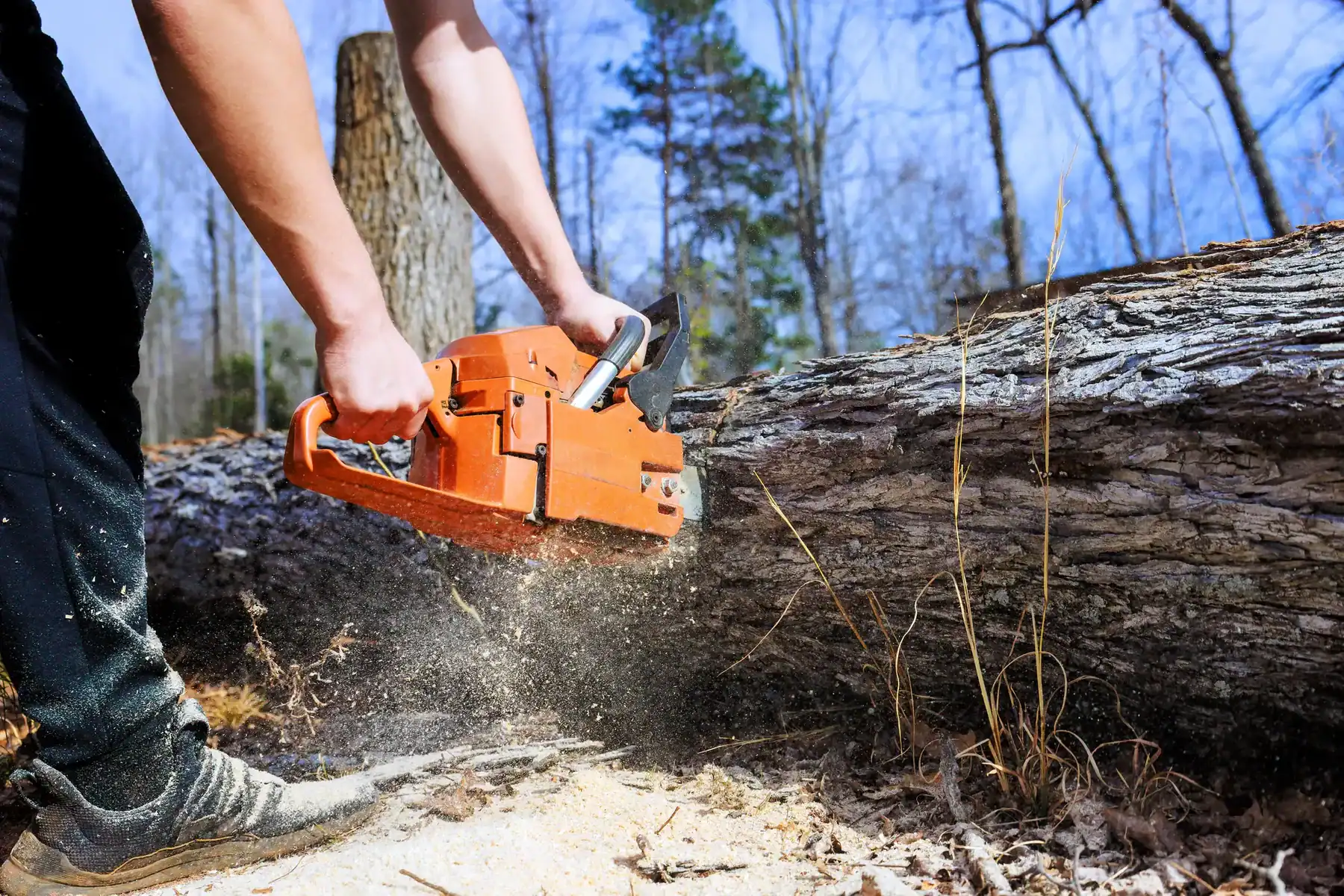
Hear from Our Customers
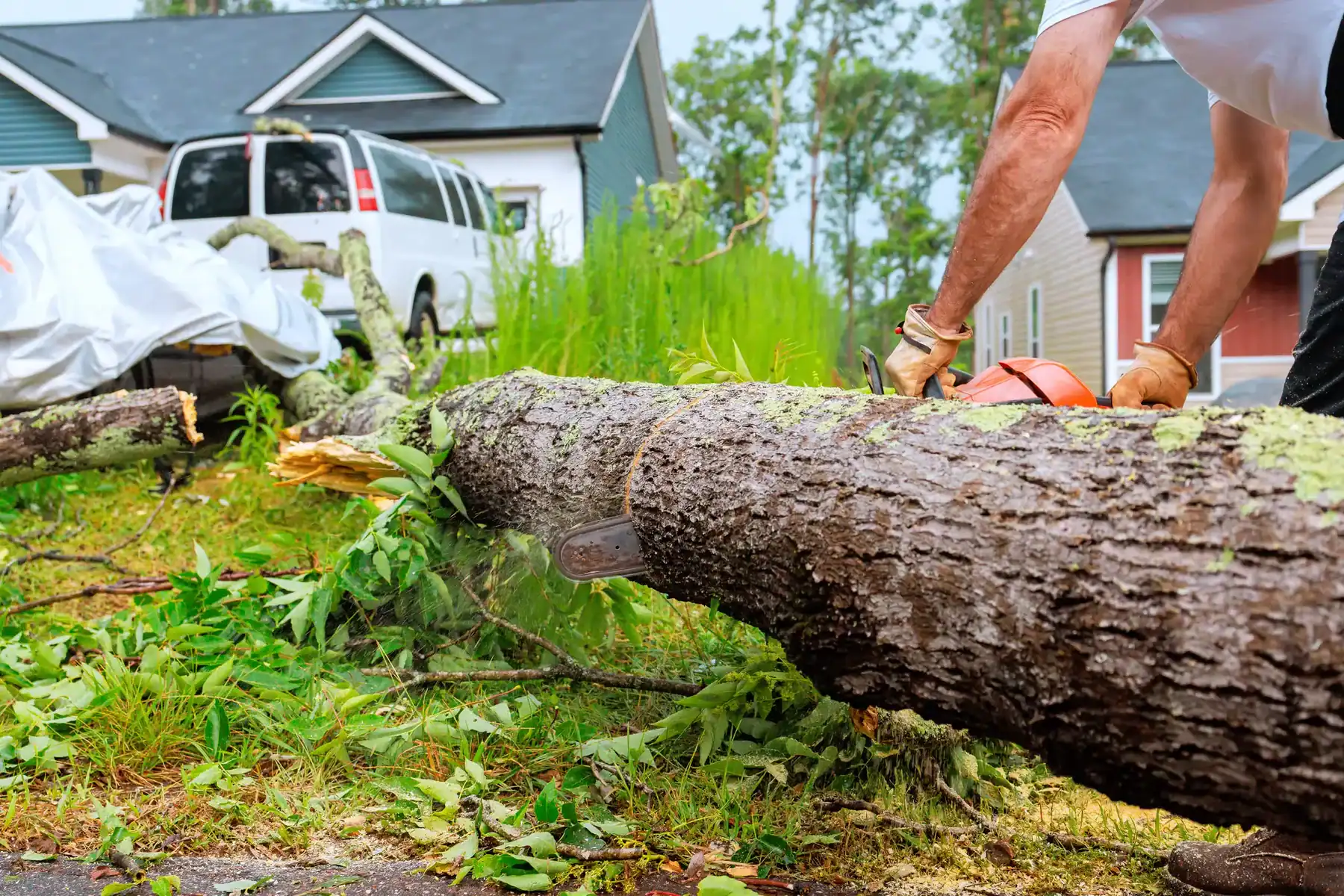
Hazardous Tree Removal, Alcona County
When a hazardous tree finally comes down the right wayon your timeline and not the tree’severything changes. You get your access back. You stop wondering what’s going to happen the next time the wind picks up.
For landowners in Killmaster and Gustin Township, that peace of mind is harder to come by than it is in the suburbs. Properties here are remote, often seasonal, and surrounded by mature northern Michigan forest that doesn’t care about your schedule. The emerald ash borer has been killing ash trees across Alcona County since 2002, and those standing dead trees don’t announce when they’re going to fail.
A professional assessmentnot a neighbor’s opinionis what tells you which ones are real risks and which ones can wait. That’s what a TRAQ-qualified arborist actually does. Not a guess, not a visual scan from the truck windowa formal, documented evaluation of which trees on your property represent a genuine hazard. For a landowner managing wooded acreage from a distance, that kind of documented professional assessment is the difference between proactive management and a crisis you discover on your next visit.
Certified Arborist Tree Service, Alcona County
We’ve been serving Michigan property owners for over seven years, and the team that shows up to your Killmaster property carries credentials you won’t find with the local excavation-and-tree outfits operating in this area. ISA Certified Arborists. TRAQ-qualified risk assessors. Line-clearance certified crew members with the specialized training and utility insurance required to work safely near Great Lakes Energy’s rural power linesthe same lines that get buried under ice every winter out here.
No other tree service identified in the Alcona County market holds those credentials. That’s not a knock on anyoneit’s just the reality of a rural market where most tree work gets done by informal operators who show up after storms and disappear just as fast. We’re a documented, verifiable business with real reviews and a named owner who stands behind every job.
Before any work starts, we walk your property, assess what’s there, and give you a written scope. No surprises. No pressure. Just a clear picture of what needs to happen and what it’s going to take.
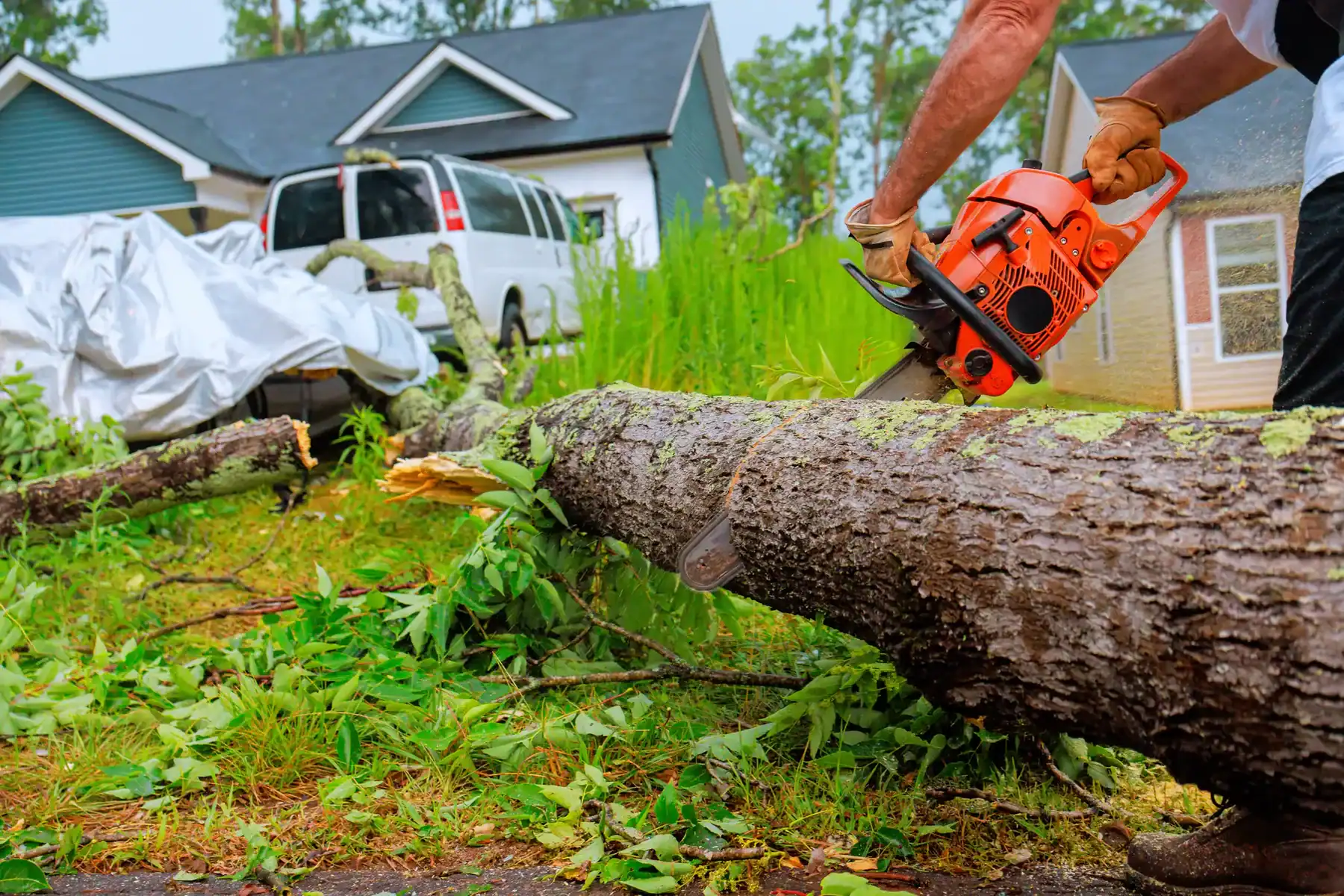
Professional Tree Cutting Process, Northern Michigan
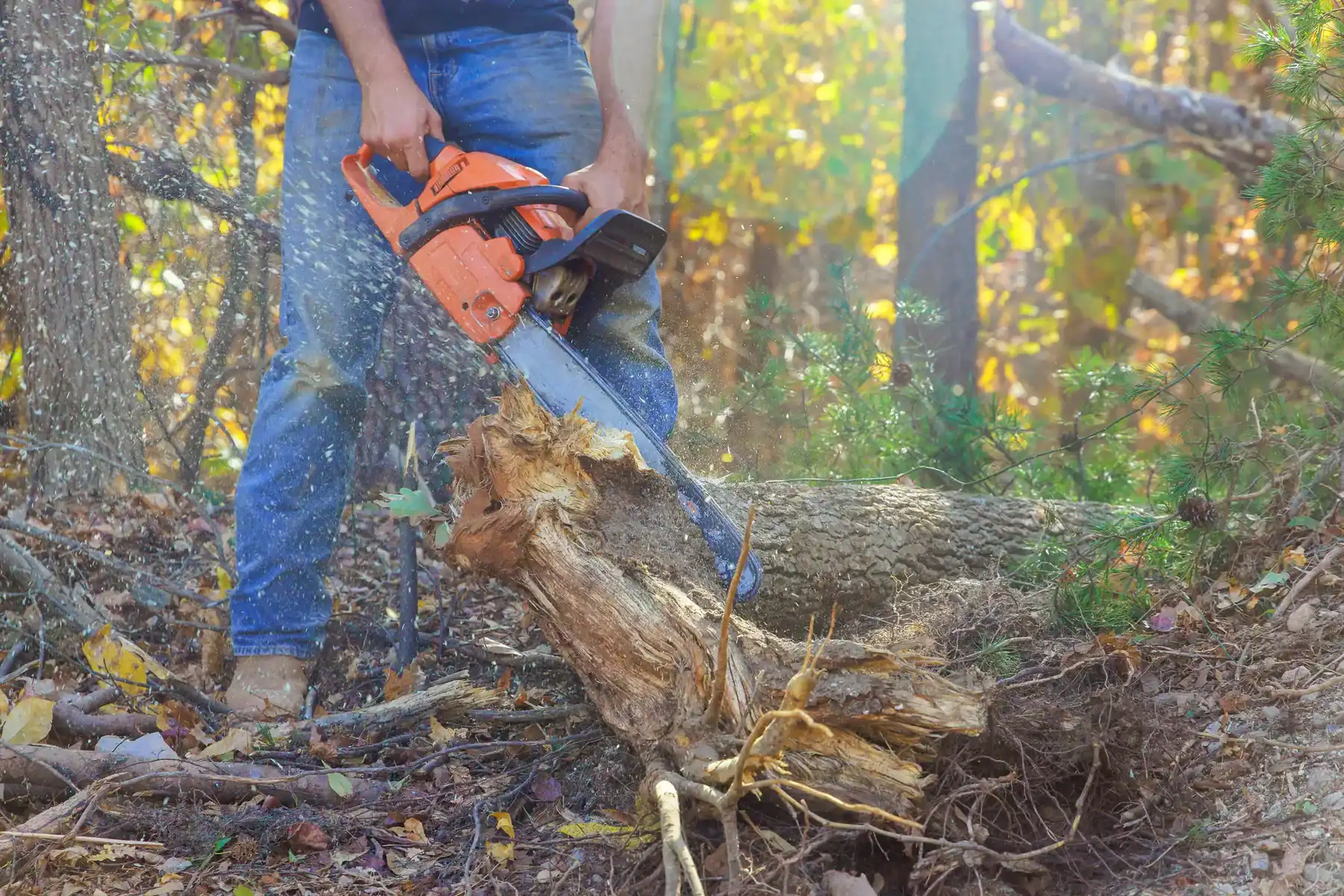
It starts with a site visitnot a phone quote, not a number pulled from a description you gave over the phone. For rural properties in Killmaster and the surrounding area, that walkthrough matters more than it does in a suburban backyard. Soft soil, narrow access drives, outbuildings, septic systems in inconvenient spotsthese are the things that determine how a removal actually gets done, and none of them show up on a satellite image.
We walk the property, identify every obstacle, and build a detailed written scope before any equipment is staged. Once the scope is agreed on, the work is planned around the specific conditions of your land. Dead ash treesa common issue across Alcona County’s wooded parcelsare handled with extra care because EAB-killed wood behaves differently than a healthy tree. The bark separates, the wood becomes unpredictable, and the removal approach has to account for that.
For trees near power lines, our line-clearance certified crew members take the lead, working under the protocols required for energized utility work on Great Lakes Energy’s rural grid. When the job is done, the property gets cleaned up. Brush, debris, wood sectionscleared out. If you’re a seasonal property owner who won’t be back for weeks, you’re not coming home to a pile of slash across your driveway.
Ready to get started?
Emergency Tree Removal Service, Killmaster MI
Tree removal in the Killmaster area covers a different range of situations than what most tree companies are set up for. It’s not just one yard tree near a fence lineit’s dead ash removal across wooded acreage, storm-damaged trees blocking rural access roads, hazardous trees overhanging hunting cabins, and emergency response after ice storms that Alcona County knows well.
The state has issued multiple emergency declarations tied to severe winter weather in this county, and when ice loads northern Michigan’s trees past their limits, the failures come fast and they come at night. We offer 24/7 emergency tree removal for exactly those situations. If a tree comes down across your drive at 11 p.m. in January, there’s a credentialed, insured team available to respondnot just a voicemail. For seasonal property owners who can’t always be on-site when something goes wrong, that availability is worth a lot.
Our full scope of services includes tree removal, tree trimming and pruning, stump grinding, land clearing, and hazardous tree assessment. Gustin Township is unincorporated, so there’s no municipal permit process for tree removal on private land herebut for any work near DNR-managed land boundaries or Great Lakes Energy utility lines, we know how to navigate those requirements before the first cut is made.
Do I need a permit to remove a tree in Gustin Township near Killmaster?
Because Killmaster sits within Gustin Townshipan unincorporated township in Alcona Countythere’s no city-level tree removal permit process the way there would be in an incorporated village or city. Michigan doesn’t have a statewide tree removal license requirement either, so for most private landowners in this area, you can remove trees on your own property without pulling a permit.
That said, there are two situations where it gets more complicated. If your parcel borders DNR-managed state forest landwhich is common throughout Alcona County given how much of the county is state-managedthere may be coordination required before removing trees near that boundary. And if a tree is near or touching Great Lakes Energy utility lines, that work falls under specific utility safety requirements that only line-clearance certified arborists are qualified to handle. We can identify both situations during the initial site walk and let you know exactly what applies to your property before any work begins.
How much does tree removal typically cost, and what affects the price?
Tree removal costs vary based on several factors: the size of the tree, how close it is to structures or power lines, whether the wood is dead or living, and what’s included in the scopestump grinding, debris removal, and cleanup can all affect the final number. Nationally, a typical tree removal runs somewhere in the $700 to $1,000 range, with smaller trees coming in lower and large or complex removals exceeding $2,000.
For rural properties in the Killmaster area, a few things can push cost in either direction. Dead ash treeswhich are widespread across northern Michigan’s wooded parcels due to the emerald ash borerare often more involved to remove than a healthy tree of the same size. Compromised wood is unpredictable, and the removal approach has to account for that. On the other hand, frozen winter ground can actually make large removals easier and reduces the risk of equipment damage to soft soil or access roads. We provide a written estimate after walking the propertyno guessing, no surprise charges after the fact.
How do I know if a dead or dying tree on my property is actually a hazard?
This is the question most landowners in Killmaster can’t answer on their ownand it’s the right question to be asking. A tree can look stable and still be structurally compromised in ways that aren’t visible from the ground. Root decay, internal rot, and EAB-related structural failure in ash trees are common examples where the tree looks like it’s standing fine until it isn’t.
The honest answer is that a visual inspection from a distance isn’t enough for trees near structures, access roads, or utility lines. A TRAQ-qualified arboristwhich is a step above a standard ISA Certified Arboristis trained to formally assess and document tree risk using established protocols. That’s an objective evaluation that tells you which trees are genuine hazards, which ones can be managed with trimming, and which ones are fine to leave alone. For a landowner managing wooded Alcona County acreage, that documented assessment is worth having before the next ice storm makes the decision for you.
What happens to the stump after a tree is removed from my property?
Once a tree is cut down, the stump is what’s leftand on a rural property, stumps matter more than they do in a suburban yard. An untreated stump in a wooded area can become a tripping hazard, attract wood-boring insects, or make it difficult to clear and use the land around it. If you’re managing hunting land or a rural parcel where you want clean access and usable ground, leaving stumps in place creates ongoing problems.
Stump grinding is the standard solutionit takes the stump down below grade so the area can be cleared, seeded, or left as natural ground cover without the stump becoming an obstacle. It’s typically handled as a separate line item from the tree removal itself, so you can decide whether to include it based on what you’re planning for the land. We can grind stumps at the time of removal or return for stump grinding separately. For landowners with multiple trees coming down across a larger parcel, bundling the grinding with the removal is usually the most efficient approach.
Is tree removal covered by homeowners insurance after storm damage in Alcona County?
It can be, depending on your policy and the specific situation. Generally, homeowners insurance will cover tree removal costs if a fallen tree has damaged a structure on your propertya cabin, garage, fence, or outbuilding. If the tree fell but didn’t damage anything, most policies won’t cover the removal cost, even if it’s blocking your driveway or access road.
For property owners in Killmaster and the surrounding area, this matters most after the kind of ice storms Alcona County sees regularly. When ice loading brings down a large tree onto a structure, the removal is often part of the same insurance claim as the structural damage. The key is having documentation: a written scope of work, photos before and during the removal, and a clear record of what was done and why. We provide written estimates and detailed job documentationwhich is exactly what your insurance adjuster will ask for if you’re filing a claim. It’s worth calling your insurer before the work starts to understand what your policy covers.
Why should I hire a certified arborist instead of a local tree guy with a chainsaw?
In a rural area like Gustin Township, this is a real and fair question. Local informal operators are often cheaper, and for a straightforward job on flat ground away from any structures or power lines, the price difference can feel hard to justify.
The risk is in the situations where something goes wrong. An uninsured crew member injured on your property can expose you to personal liabilityyour homeowner’s insurance may not cover it if the worker wasn’t properly insured. A tree dropped in the wrong direction onto an outbuilding, a vehicle, or a septic system creates a damage claim that falls on you if the crew has no general liability coverage. And in the Alcona County area specifically, where trees are often near Great Lakes Energy utility lines, an uncertified crew legally cannot perform that work safelyand if they try and something goes wrong near an energized line, the consequences are severe. We carry the proper insurance, employ ISA Certified Arborists, and have line-clearance certified crew members for utility-adjacent work. The credential difference isn’t abstractit’s what protects you when the job gets complicated.
Other Services we provide in Killmaster