
Storm Damage Tree Service Lincoln MI
When Ice Storms Hit Lincoln, We Show Up the Same Day
Hear from Our Customers
Emergency Tree Removal Lincoln MI
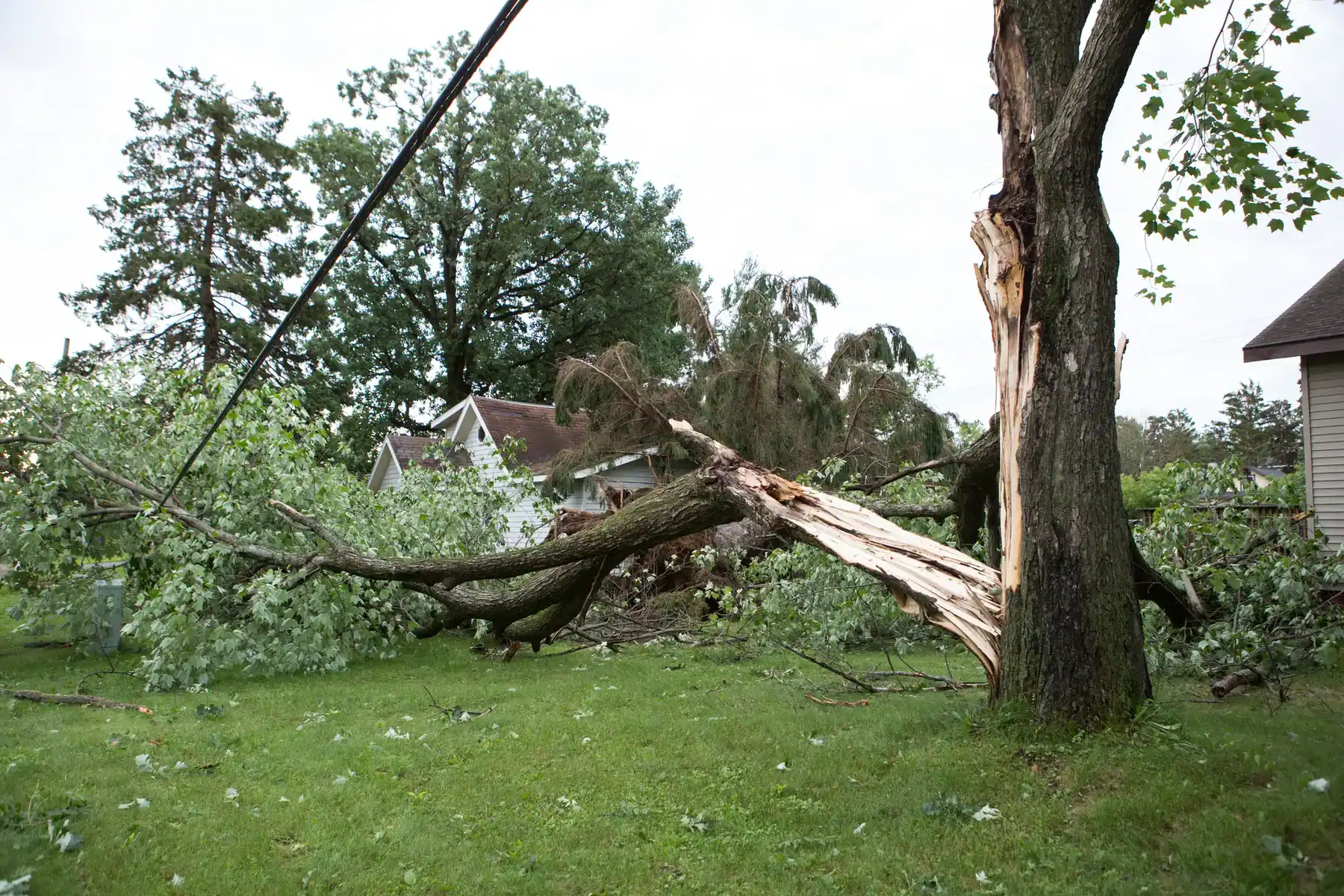
After a storm rolls through Lincoln, the damage isn’t always obvious right away. A tree that looks like it’s holding might have a root plate that’s been completely compromised by saturated sandy soilthe same loamy, sandy soil that makes up most of the village’s ground. That’s the quiet danger in a community like this one, where nearly 40% of the land is forested and the soil doesn’t grip the way denser ground does once it’s soaked through from snowmelt or freezing rain.
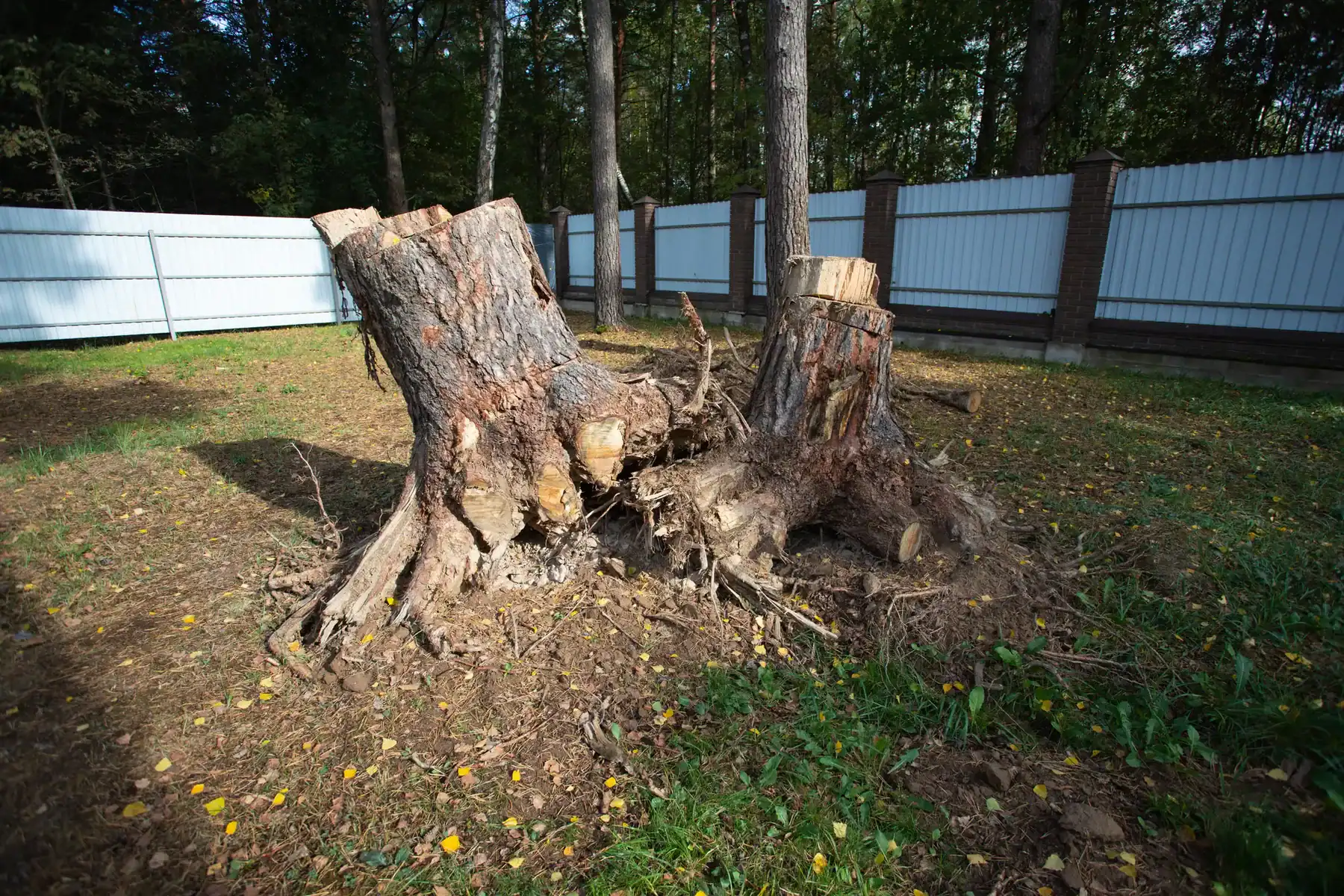
What you get when the job is done right isn’t just a tree that’s no longer in your yard. It’s a property where the stump is ground down, the debris is hauled away, and the lawn is left in a state you can actually live with. We carry the full scope of workstump grinding, topsoil, mulch, and grass seedingso the storm damage doesn’t follow you into the next season as a constant reminder sitting in the middle of your yard.
For Lincoln homeowners, especially those on or near Brownlee Lake where wind exposure and freeze-thaw cycles hit hardest, getting ahead of the damage matters. A hanging limb or a leaning tree after an ice event isn’t stable just because it hasn’t moved yet. The next wind gust or freeze cycle can change that fast, and the cost of waiting almost always exceeds the cost of acting.
Tree Removal Service Alcona County
We’re a family-run operation out of Milford, MI, and I lead every field job personally while Cecilia handles scheduling and communication. When you call from Lincoln after a storm, you’re reaching a real person who can actually tell you when we’ll be therenot a call center reading off a script.
We carry general liability and workers’ compensation insurance, provide written estimates before any work begins, and have built a track record across Southeast Michigan for showing up on time, doing the job clean, and not leaving a mess behind. Multiple customers in the Lincoln area have specifically noted our crew’s ability to work safely around electrical lineswhich matters in a county that’s gone days without power after back-to-back ice storm emergencies in 2025 and 2026.
Alcona County’s storm history is not abstract to us. We bring over seven years of field experience across multiple states and environments, including the kind of severe winter storm conditionsice loading, saturated soils, northern forest speciesthat define what storm damage actually looks like in this part of Michigan. We understand Lincoln’s specific challenges because we’ve worked through them.
Storm Damage Cleanup Process Lincoln MI
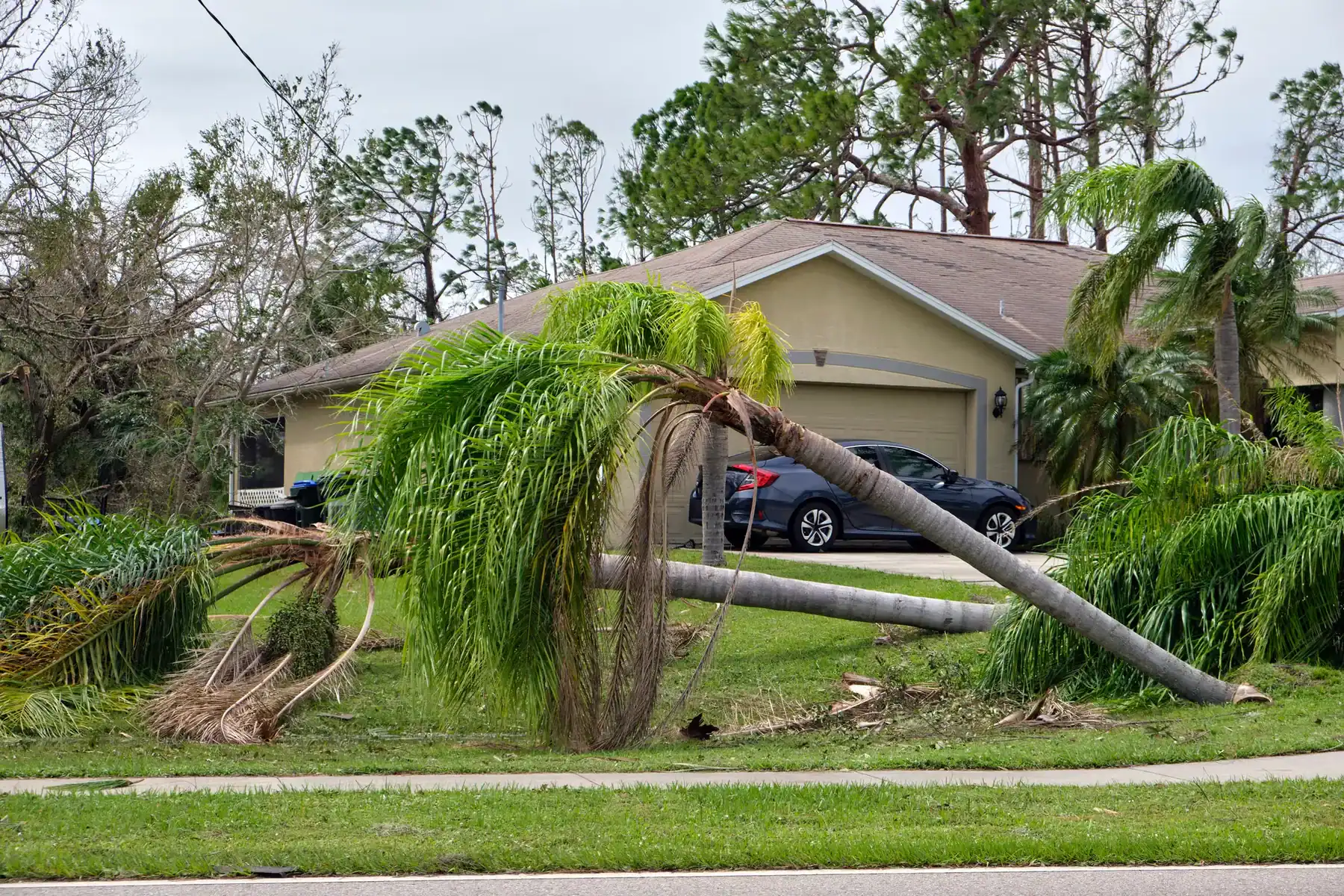
The first step is straightforward: you call, and we answer. Cecilia will get the details of your situation, ask the right questions about what’s down, what it’s near, and whether there are any immediate hazards like utility lines or structural contact. From there, our team is dispatched based on the urgencya tree on a roof or a limb hanging over a power line gets prioritized differently than a fallen tree in an open yard.
When we arrive, the first thing we do is assess the full situation before any cutting starts. In Lincoln’s environment, that means checking root stability in the surrounding area, not just the tree that’s already down. Sandy loam soils that have been saturated by snowmelt or freezing rain can compromise neighboring trees that haven’t visibly moved yet, and identifying those hazards before they become the next problem is part of what separates a thorough job from a fast one.
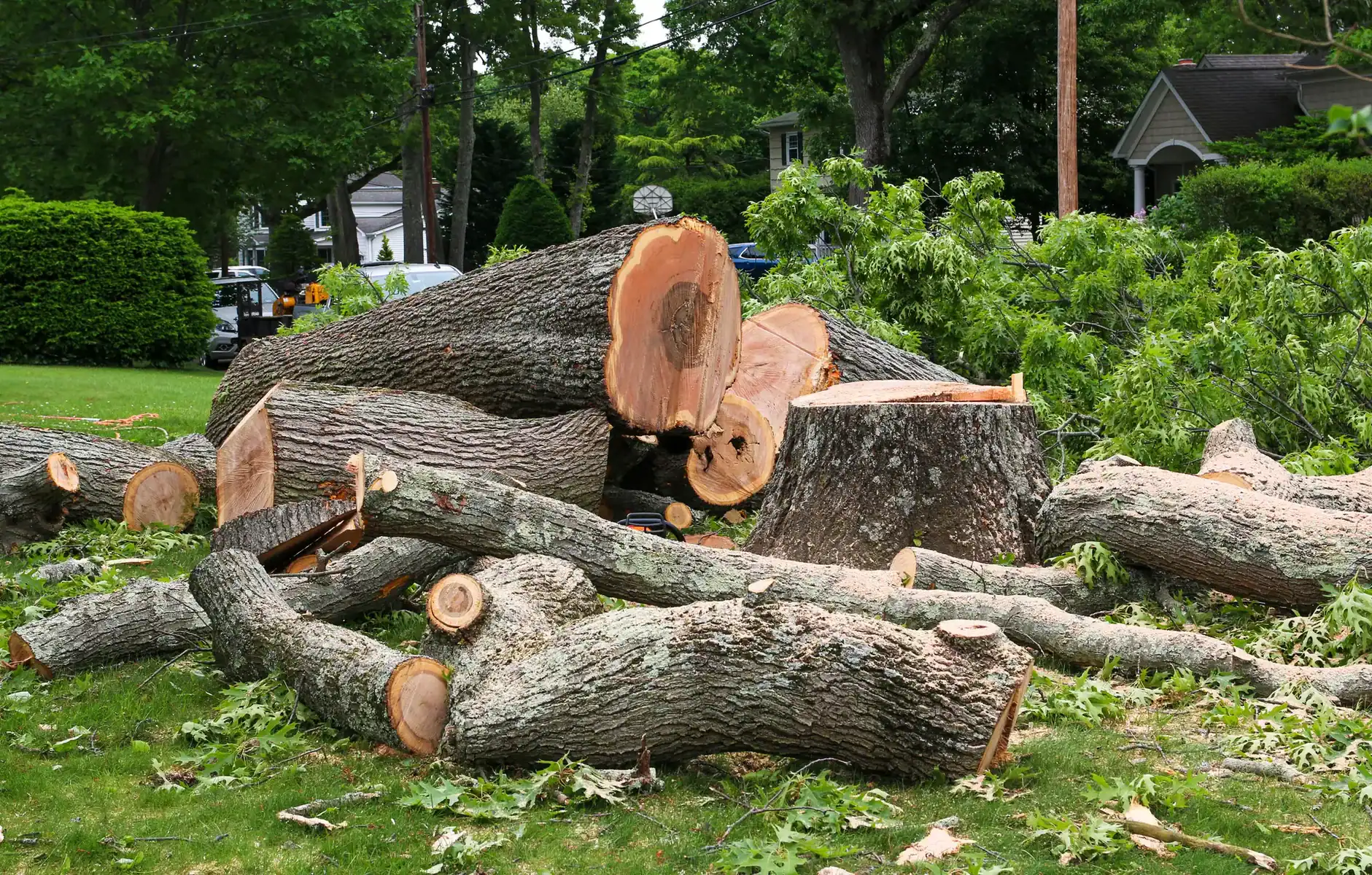
Once the tree is safely removed, we handle cleanup completely. Debris is chipped or hauled, the stump is ground if that’s part of the scope, and if your yard needs topsoil or grass seeding to recover from root upheaval or equipment access, that work gets done too. You’re not left with half a job. We coordinate with the Alcona County Road Commission if debris has affected access along F-41 or surrounding township roads, so nothing gets left as a hazard to anyone else.
Ready to get started?
Fallen Tree Removal Lincoln Michigan
Storm damage tree service in Lincoln covers more ground than just cutting up what fell. Our work includes hazardous limb removal for branches that are partially broken and still suspended in the canopywhat arborists call widow-makerswhich are especially common after the kind of ice loading Alcona County experienced in both the 2025 and 2026 storms. These limbs look stable until they’re not, and in a village where nearly 40% of land cover is forested, there’s no shortage of mature trees with compromised canopy after a heavy ice event.
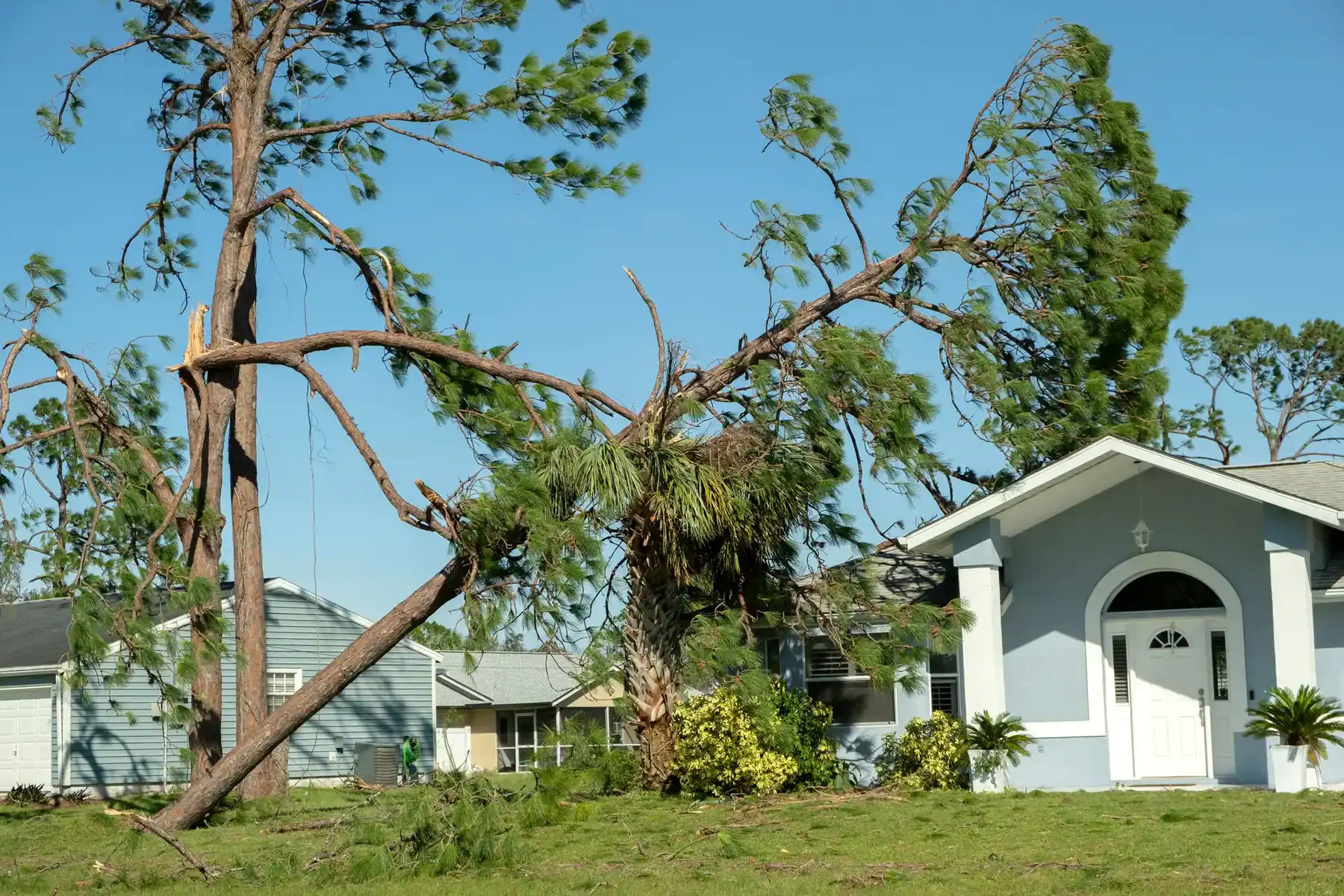
We provide emergency tree clearing around the clock, including situations where a fallen tree is blocking driveway access, sitting on a structure, or creating a safety hazard near utility lines. We carry the equipment to handle large, complex removalsthe kind that come with ice storm damage in a heavily forested countynot just the straightforward jobs that any crew with a chainsaw can manage.
Beyond the immediate removal, our service extends to full property restoration. Stump grinding eliminates what’s left at ground level. Topsoil installation and grass seeding address the bare or disturbed ground that root upheaval leaves behind, particularly relevant for Lincoln properties where the sandy loam soil doesn’t recover on its own the way denser ground does. If your yard near Brownlee Lake or anywhere else in the 48742 area took a hit this storm season, we’ll hand it back to you in a state that doesn’t look like a storm ran through it.
Does homeowners insurance cover ice storm tree removal in Lincoln, MI?
It depends on where the tree landed and what caused it to fall. Most Michigan homeowners insurance policies cover tree removal when a tree falls on an insured structureyour house, an attached garage, a fencedue to a covered peril like wind, ice, or lightning. The typical coverage cap runs between $500 and $1,000 per tree, sometimes capped at around $2,500 per incident. If the tree fell in your yard without hitting anything, most policies won’t cover the removal cost, even if the storm was the cause.
For Lincoln residents, this distinction matters a lot after an ice storm event. The 2025 and 2026 storms brought down trees across the county in large numbers, and many homeowners assumed any storm-related removal would be covered. The safest move is to document everything with photos before any work starts, contact your insurer to open a claim, and get a written estimate from a licensed, insured company before agreeing to any work. We provide written estimates as standard practice, which gives you the documentation your insurer will ask for.
How quickly can we respond to emergency tree removal in Lincoln?
Response time after a major storm in a rural county like Alcona comes down to one thing: whether the company you’re calling has capacity left. After the 2025 and 2026 ice storms, local crews in the Harrisville and Lincoln area were overwhelmed within hours of the storm passing. If you’re calling a company that’s already booked out for days, you’re waitingand a tree that’s resting on your roof or blocking your driveway isn’t a situation that gets safer with time.
We operate with 24/7 emergency availability, which means the call gets answered and the situation gets triaged regardless of the hour. Situations involving structural contact, power line proximity, or active access blockage are treated as priorities. Response time varies depending on how many calls are coming in simultaneously, but having a company that actually answers the phone and can dispatch quickly puts you ahead of most people who wait until morning to start making calls.
What should I do right now if a tree just fell on my house?
First, get everyone out of the affected area of the house and stay away from any downed linesif a tree came down near utility infrastructure, treat every line on the ground as live until the power company confirms otherwise. Don’t try to move the tree yourself or go back inside to retrieve belongings if the structural integrity of that section of the house is uncertain.
Once you’re safe, document everything you can see from a safe distance with your phonephotos and video of the tree, the point of contact with the structure, and any visible damage. This documentation is what your insurance adjuster will need to process a claim. Then call a licensed, insured tree service that can respond the same day. Waiting to get multiple quotes when a tree is actively on your roof risks additional structural damage and can complicate your insurance claiminsurers can deny or reduce payouts when they determine that a homeowner failed to mitigate ongoing damage in a reasonable timeframe.
Is it safe to leave a storm-damaged tree standing for a few days in Lincoln?
In most cases, noand Lincoln’s specific conditions make this more urgent than it might be elsewhere. The village’s soil profile is dominated by sandy loam types that lose structural integrity quickly when saturated. After an ice storm or heavy snowmelt, a tree that looks stable at the surface may have a root plate that’s already partially released from the ground. The next wind event, freeze cycle, or even a warm afternoon that softens the soil further can be enough to bring it down.
Beyond the soil factor, Alcona County’s late winter and early spring weather pattern means that a storm rarely arrives in isolation. The March 2025 ice storm was followed by continued snow, wind, and freezing temperatures that caused additional outages as thawing trees and limbs snapped and fell. If you leave a damaged tree in place after one storm event, you’re essentially betting that the next weather system won’t finish the job. That’s a risk that’s hard to justify when the tree is near your home, your vehicle, or any structure on your property.
How do I know if a tree company responding after a storm is legitimate?
This is one of the most important questions to ask, and it’s not paranoiathe BBB has issued active warnings specifically about unlicensed crews that move through rural Michigan communities after ice storms, knocking on doors and demanding full cash payment upfront before doing any work. These crews often have no verifiable address, no insurance, and no accountability once they’ve been paid.
A legitimate company will have a published physical address and a direct phone numbernot an 800 number that routes to a national call center. They’ll carry general liability and workers’ compensation insurance and won’t hesitate to provide proof. They’ll give you a written estimate before any work begins, not after. We have all of this: a published address in Milford, direct contact through Ivan and Cecilia, documented insurance, written estimates as standard practice, and a review history that includes specific callouts like safe work around power lines and transparent pricing.
Can storm-damaged trees near Brownlee Lake be saved, or do they need to come down?
It depends on the type and extent of the damage, and an honest assessment requires actually looking at the treenot guessing from a photo or a description over the phone. Trees that have lost major limbs but retain a structurally sound trunk and root system can sometimes be pruned and allowed to recover. Trees that have suffered significant trunk splitting, extensive crown loss, or root plate disturbance are generally not candidates for saving, and leaving them in place creates an ongoing hazard.
Lakeside trees near Brownlee Lake face a specific set of conditions that affect this calculation. Shoreline soils experience more dramatic freeze-thaw cycling than interior ground, which weakens root anchorage over time. Trees that have been through multiple ice storm seasons in this area may have accumulated structural stress that isn’t visible from the outside. A tree that survived the 2025 storm and appeared fine may have been further compromised by the 2026 event without showing obvious external signs. The only way to know for certain is a proper on-site assessment by someone who understands how these conditions affect tree structurewhich is what we do before any removal decision is made.
Other Services we provide in Lincoln