
Tree Pruning in Lincoln, MI
Built for Alcona County's Ice-Battered Trees
Hear from Our Customers
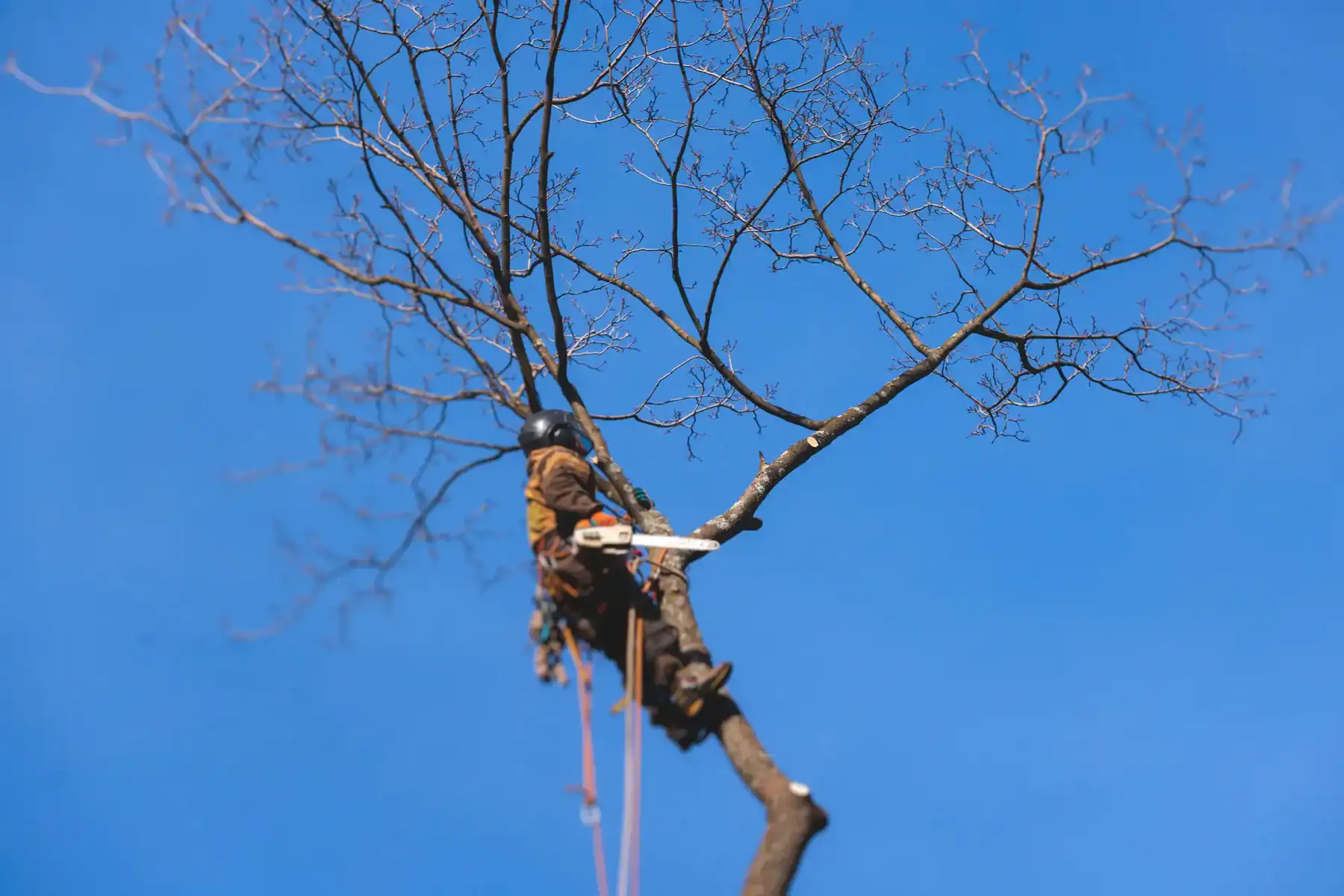
Professional Tree Pruning, Alcona County
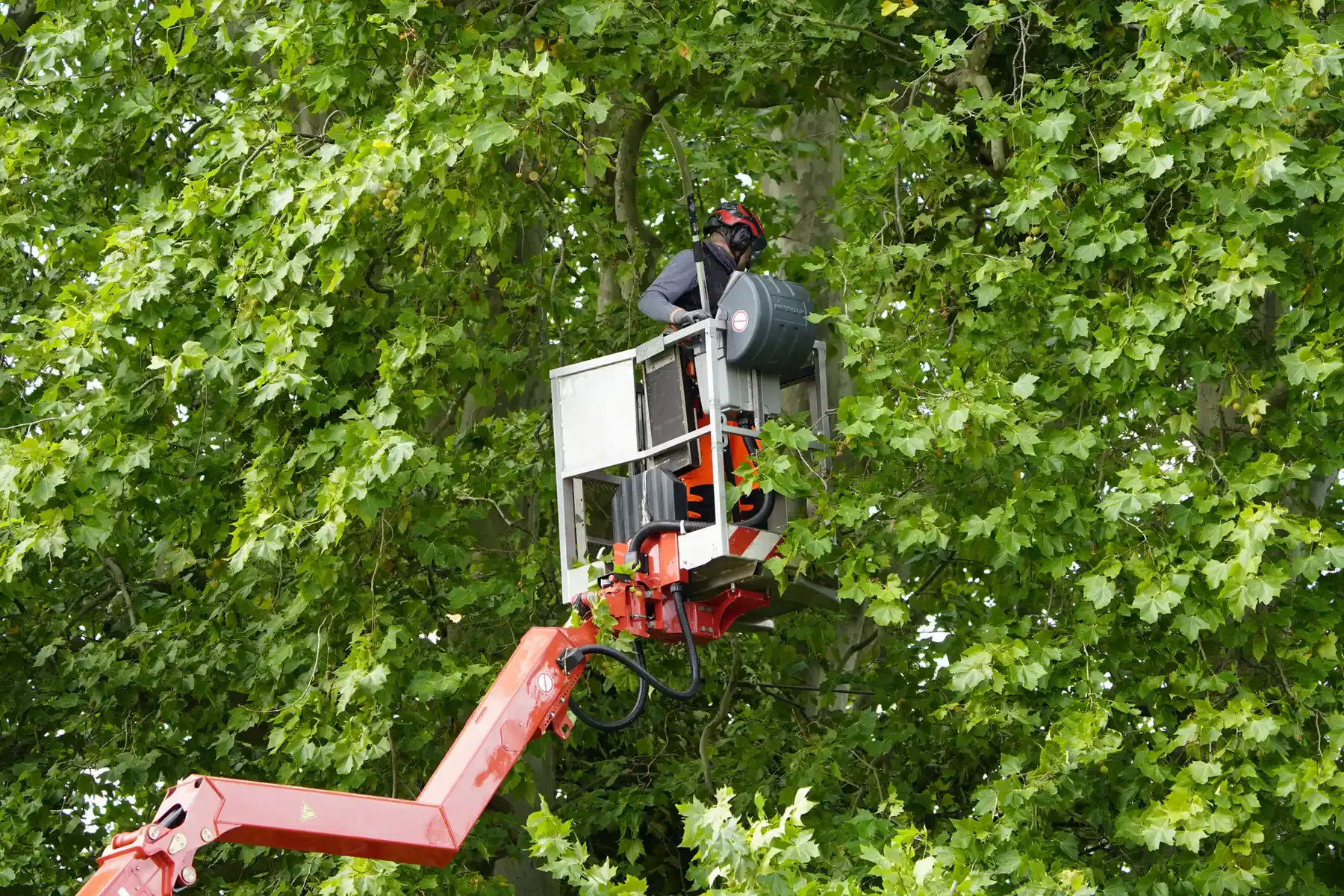
After a proper pruning, your trees aren’t just more attractivethey’re structurally stronger. Dead weight is gone. Crossing branches that would have cracked under the next ice load are removed. What’s left is a healthier canopy that can actually handle what northern Michigan winters throw at it.
For Lincoln-area homeowners, that matters more than it does almost anywhere else in the state. Alcona County has been declared a state disaster area for ice storm damage more than oncemost recently in March 2025. Trees that looked fine going into winter came out with split scaffolds, cracked limbs, and compromised root anchoring that won’t show up as a problem until the next storm rolls through. Proactive pruning is how you get ahead of that.
There’s also the day-to-day side of it. A well-pruned tree lets more light through, reduces the risk of limbs dropping on your roof, fence, or vehicle, and keeps your property looking maintained. Whether your Lincoln home sits near Brownlee Lake or out on one of the rural lots in Gustin or Hawes Township, the results are the samea property that’s safer, cleaner, and easier to maintain going forward.
Tree Trimming Services, Lincoln, Michigan
Ivan’s Tree Services is a family-owned operation out of MichiganI run the field work, and Cecilia handles scheduling and communication. There’s no call center, no rotating crew of strangers. When you reach out, you’re talking to the people actually responsible for the job.
We’ve been doing this for over seven years across Michigan, and that experience matters when you’re dealing with the kind of mature, northern hardwoods and white pines common throughout the 48742 ZIP code. These aren’t ornamental trees planted ten years agothey’re decades-old forest trees growing close to structures, and they need someone who understands how they grow, how they heal, and when they should and shouldn’t be pruned.
We carry full general liability insurance and workers’ compensation coverage, which isn’t a given in a rural market like Alcona County. Every job comes with a 30-day workmanship guarantee. You get a straight, written estimate before anything startsno pressure, no surprises.
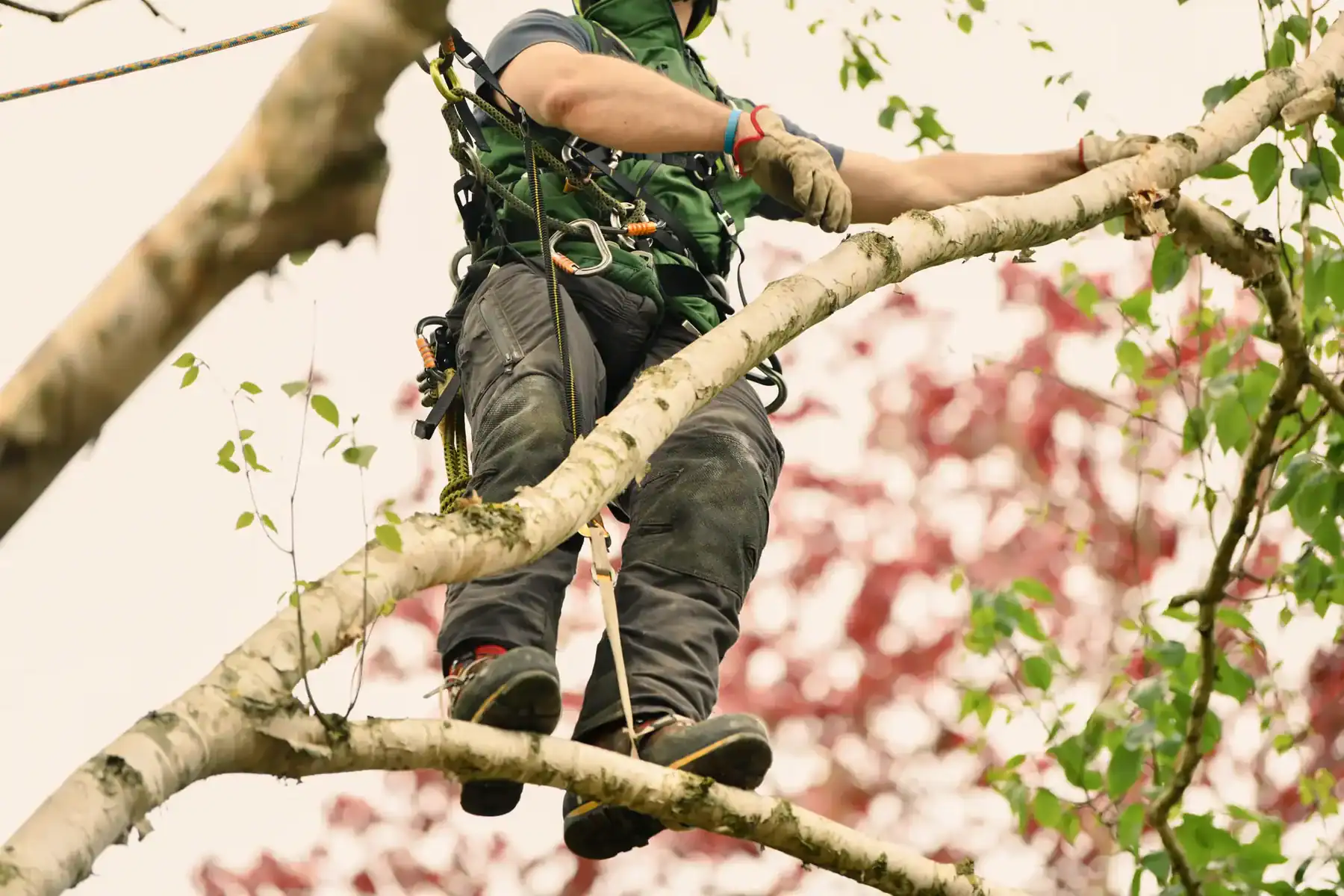
Crown Reduction Pruning, Lincoln, MI
It starts with a conversation and an in-person visit. I come to your property, walk the trees with you, and tell you honestly what I seewhat needs attention now, what can wait, and what the work will actually involve. You get a clear, written estimate before any decision is made. No obligation, no pressure.
Once you’re ready to move forward, the crew comes out with the right equipment for the job. For Lincoln-area propertiesespecially those with large, mature trees near structures or close to the undeveloped forest land bordering the Alcona Recreation Areathat means rigging and care that protects your property throughout the process. Proper cuts are made at the branch collar, never flush against the trunk, and never more than 25% of the canopy is removed in a single session. That’s not a rule we inventedit’s the arborist standard that keeps trees from going into stress decline after pruning.
When the work is done, the crew cleans up completely. Brush, debris, wood chipsall of it goes. You’re left with a yard that looks better than it did before we arrived, not one that looks like a work site. That’s been consistent feedback from our customers, and it’s something we take seriously on every job.
Ready to get started?
Tree Canopy Thinning, Alcona County, MI
Tree pruning covers more ground than most people expect. At its core, it means removing dead, diseased, and structurally weak branches before they become a hazard. But depending on what your trees actually need, the work can also include crown thinningopening up the canopy to improve light and air circulation without changing the overall shapeor crown reduction, which brings the canopy size down while preserving the tree’s natural form. These aren’t interchangeable, and a good pruning job starts with understanding which approach fits your specific trees.
For properties in and around Lincoln, that assessment often comes with a post-storm lens. After the ice events that have hit Alcona County in recent years, a lot of trees are carrying damage that isn’t obvious from the ground. Cracked branch unions, partially split codominant stems, and bark damage that’s become an entry point for diseasethese are the things a trained eye catches during an in-person walkthrough that a phone quote never would.
Cleanup is always included. So is the written estimate, the in-person assessment, and the 30-day workmanship guarantee. If you’re a seasonal property owner returning to your Lincoln home after a winter away, that walkthrough is also your best first stepa clear picture of what the season left behind before you decide what needs to happen next.
What should Lincoln homeowners look for after an ice storm damages their trees?
Ice storms do damage that isn’t always obvious right away. The most common things to look for after a significant ice eventlike the March 2025 storm that triggered a disaster declaration across Alcona Countyare hanging or partially attached limbs, visible cracks in major branch unions, bark that has split or separated from the trunk, and branches that are leaning or resting on other parts of the tree rather than holding their natural position.
The tricky part is that a tree can look relatively intact from the ground while carrying serious structural compromise higher up. A split codominant stemwhere the trunk divides into two major leadersis one of the most common failure points after ice loading, and it’s not always visible without getting closer. That’s why an in-person assessment after a significant storm is worth doing before the next winter season. Catching those weak points now, and pruning them out properly, is how you reduce the risk of a much larger failure down the road.
What is the difference between tree trimming and tree pruning, and which one do I need?
These terms get used interchangeably, but they describe different things. Trimming is primarily about appearanceshaping a tree or shrub so it looks neat and fits the space. Pruning is about the health and structure of the tree. It involves removing dead, diseased, or structurally compromised wood, improving the branch architecture, and making sure the tree is set up to grow the right way over time.
For most homeowners in Lincoln and the surrounding area dealing with mature hardwoods and coniferssugar maples, red oaks, white pines, paper bircheswhat you actually need is pruning, not just trimming. These trees have been growing for decades, and the goal isn’t to make them look like a hedge. It’s to remove the wood that’s a liability, improve the structure so the canopy handles wind and ice loading better, and keep the tree healthy for the long haul. During the in-person estimate, I can walk you through exactly what your specific trees need and why.
Is there a best time of year to prune trees in northern Michigan?
For most deciduous treesmaples, birches, oaks, cherriesthe safest window for pruning is during dormancy, which in northern Michigan typically runs from late November through early March. During dormancy, the tree isn’t actively growing, wounds heal more efficiently once growth resumes in spring, and insects and pathogens that exploit fresh cuts are far less active.
There’s one important exception worth knowing about if you have oak trees on your property: oak wilt is a serious fungal disease that spreads through fresh pruning wounds during the active growing season, roughly April through July in Michigan. Pruning oaks during that windoweven just a small cutcan attract the beetles that carry the fungus. The safest practice is to prune oaks in late fall or winter and avoid any cuts during the high-risk months. If you have a mix of species on your Lincoln-area property, an in-person assessment can help you figure out the right timing for each tree rather than treating them all the same.
How much does professional tree pruning typically cost for a residential property?
For most residential trees, professional pruning runs somewhere between $250 and $900 depending on the size of the tree, how accessible it is, how much work it actually needs, and whether debris removal is included. The national average lands around $475 for a single tree. Larger trees, trees close to structures, or trees that require rigging to bring limbs down safely will generally sit toward the higher end of that range.
What affects the cost most isn’t usually the pruning itselfit’s the complexity of the job. A 40-foot sugar maple with clean structure and good access is a straightforward job. A 70-foot white pine with storm damage, tight access, and limbs hanging over a roofline is a different conversation. The honest way to get an accurate number is through an in-person estimate, which is exactly how we handle it. I come to your property, look at the actual trees, and give you a clear written price before any work begins.
Can over-pruning actually harm or kill a tree?
Yes, and it’s more common than people realize. Removing too much of a tree’s canopy in a single sessiongenerally anything beyond 25% of the total foliageputs the tree under significant stress. The canopy is how the tree produces energy. Strip too much of it away at once, and the tree shifts into a kind of survival mode: it pushes out rapid, weakly attached regrowth called water sprouts, diverts energy away from root development, and becomes more vulnerable to disease and pests, not less.
One of the most damaging practices in the tree care industry is toppingcutting the main trunk or major scaffold branches back to stubs to reduce the tree’s height. It’s sometimes sold as a way to make a tree “safer,” but it does the opposite. The regrowth that follows topping is structurally weak and far more likely to fail in future storms. For Lincoln-area homeowners with mature trees that have already been through significant ice events, working with a company that follows proper pruning standardsand won’t take shortcuts to finish fasteris the difference between a tree that recovers and one that declines.
Does Ivan's Tree Services work with seasonal property owners in the Lincoln, MI area?
Yes, and it’s actually one of the more common situations in Alcona County. A significant portion of properties in and around Lincoln are owned by people who aren’t there during the winter monthswhich is exactly when ice storms, heavy snow loading, and wind events do the most damage to trees. Returning in spring to figure out what survived and what didn’t is a real and recurring situation for a lot of property owners in the 48742 area.
The in-person estimate process works well for this. I come out to the property, walk the trees, and give you a clear picture of what the winter left behindwhat needs to come down or be pruned now, what can be monitored through the season, and what’s in good shape. You get a written estimate with no obligation to move forward on the spot. If you’re opening up a property after being away for several months and you’re not sure where things stand with your trees, that walkthrough is a practical first step before you make any decisions.
Other Services we provide in Lincoln