
Storm Damage Tree Service in Bryant, MI
When Ice Storms Drop Trees on Bryant Properties, You Need Someone Who Actually Shows Up
Hear from Our Customers
Emergency Tree Removal, Alcona County MI
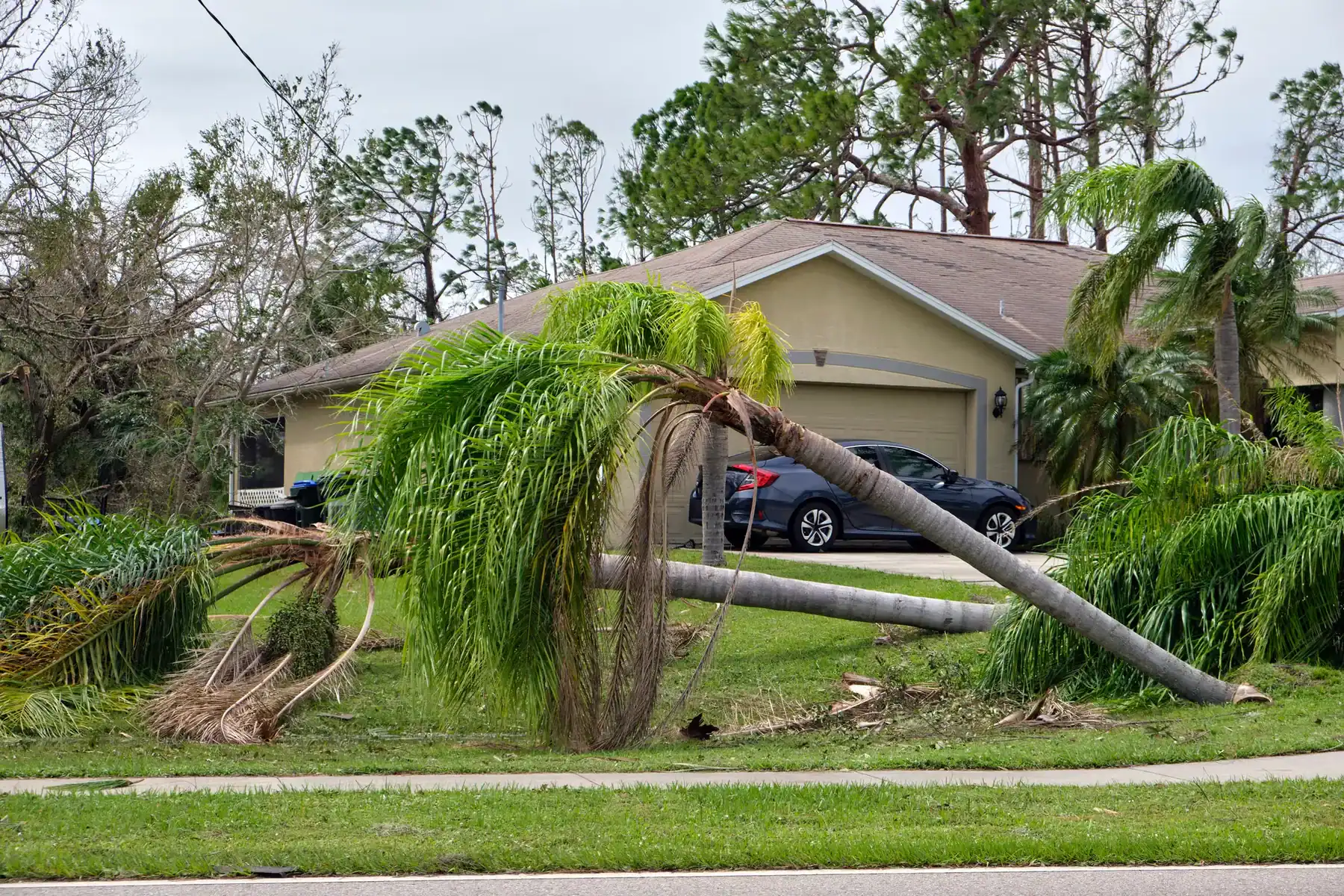
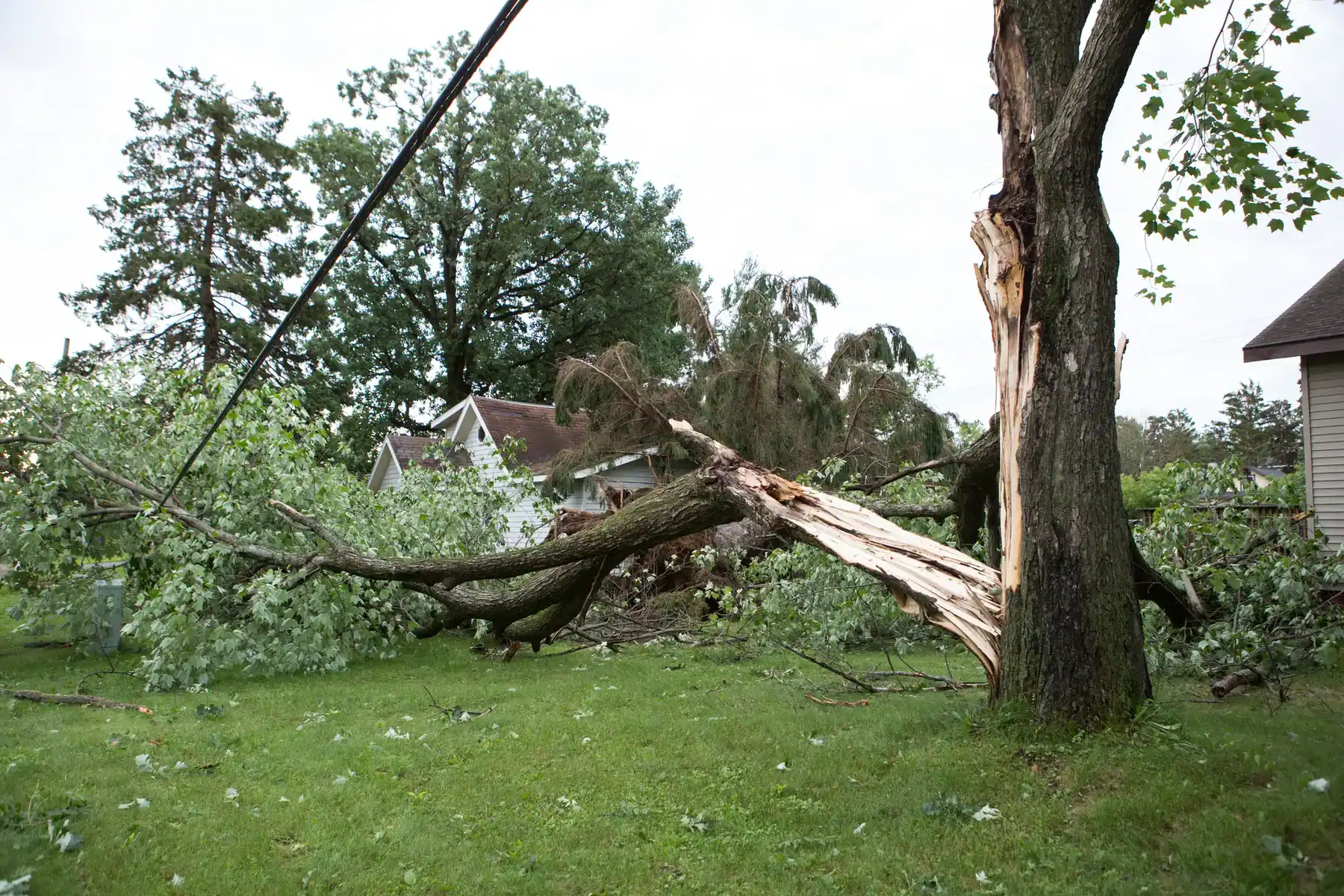
When a storm drops a tree on your roof, your fence, or across your driveway, the damage doesn’t stop the moment the wind dies down. A leaning trunk continues to stress whatever it’s resting against. A hanging limb over a structure is one more gust away from coming through the ceiling. The longer it sits, the worse it getsand in some cases, your insurance company can deny a claim if you waited too long to act.
What you actually need is a crew that shows up, assesses the situation honestly, and handles it start to finish. That means the tree comes down safely, the stump gets ground out, and the yard gets cleaned upnot a pile of debris left at the edge of your property for you to figure out. For Bryant-area homeowners dealing with the kind of large-diameter forest trees that line properties near the Huron National Forest, that’s not a small ask. It takes the right equipment and real experience with mature, heavy timber.
For seasonal property owners who aren’t on-site when the storm hits, that full-service approach matters even more. Damage that goes unaddressed through a Michigan winter compounds fast. Getting a crew out to assess, document, and begin removaleven when you can’t be there yourselfis the difference between a manageable repair and a structural problem that spent three months getting worse.
Licensed Tree Service, Curtis Township MI
We’re a family-owned operation run by Ivan and Cecilia. Ivan leads every field job personallyhe’s not dispatching a crew he’s never met. Cecilia handles scheduling and communication, which means when you call after a storm in Bryant or anywhere else in Curtis Township, you reach a real person who can give you a real answer and get something on the calendar. That kind of direct accountability is rare in this industry, and it matters most when you’re stressed and need to know someone is actually coming.
We’re fully licensed and insured, carrying both general liability and workers’ compensation coverage. That’s not just a checkboxit’s what protects you if anything goes wrong on your property during the job. In a rural area like Curtis Township, where post-storm door-to-door crews have been known to work neighborhoods after major ice events, being able to verify a company’s insurance before they touch a single branch is exactly the kind of protection you should be asking for.
With over seven years of experience across multiple states and environments, Ivan brings a read on tree behaviorhow a root system responds to ice loading, how a compromised trunk will fallthat goes well beyond just running a chainsaw.
Storm Damage Cleanup Process, Bryant Michigan
The first call is the most important one. When you reach out to us after a storm, you’re not leaving a message in a queueyou’re talking to someone who can assess the situation with you right then, ask the right questions, and let you know what the job involves. If you’re a seasonal property owner calling from out of state because a neighbor spotted damage, that call still works the same way. We can talk through what you’re dealing with and get a crew moving without you needing to be physically present.
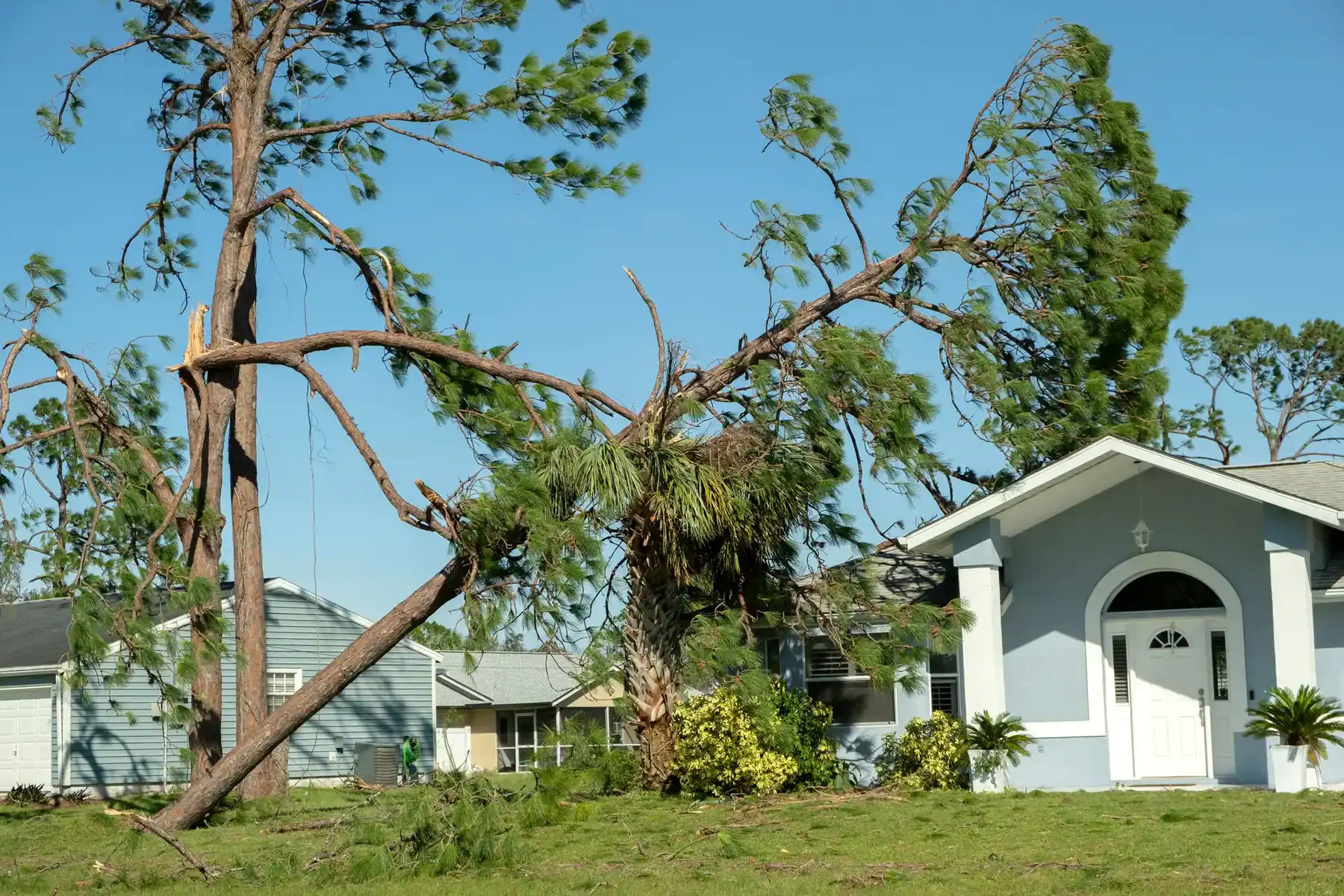
Once on-site, the first step is a full assessment of the damage before any cutting starts. In the Bryant area, that means accounting for the kind of trees that come down heremature white pines, large hardwoods, forest-edge timber that can be 60 to 70 feet tall and several hundred pounds of trunk once it’s on the ground. Proximity to overhead utility lines along M-65 and the county roads is always factored in. If a tree is near a power line, that changes the approach entirely, and our crew has the documented experience to handle it safely.
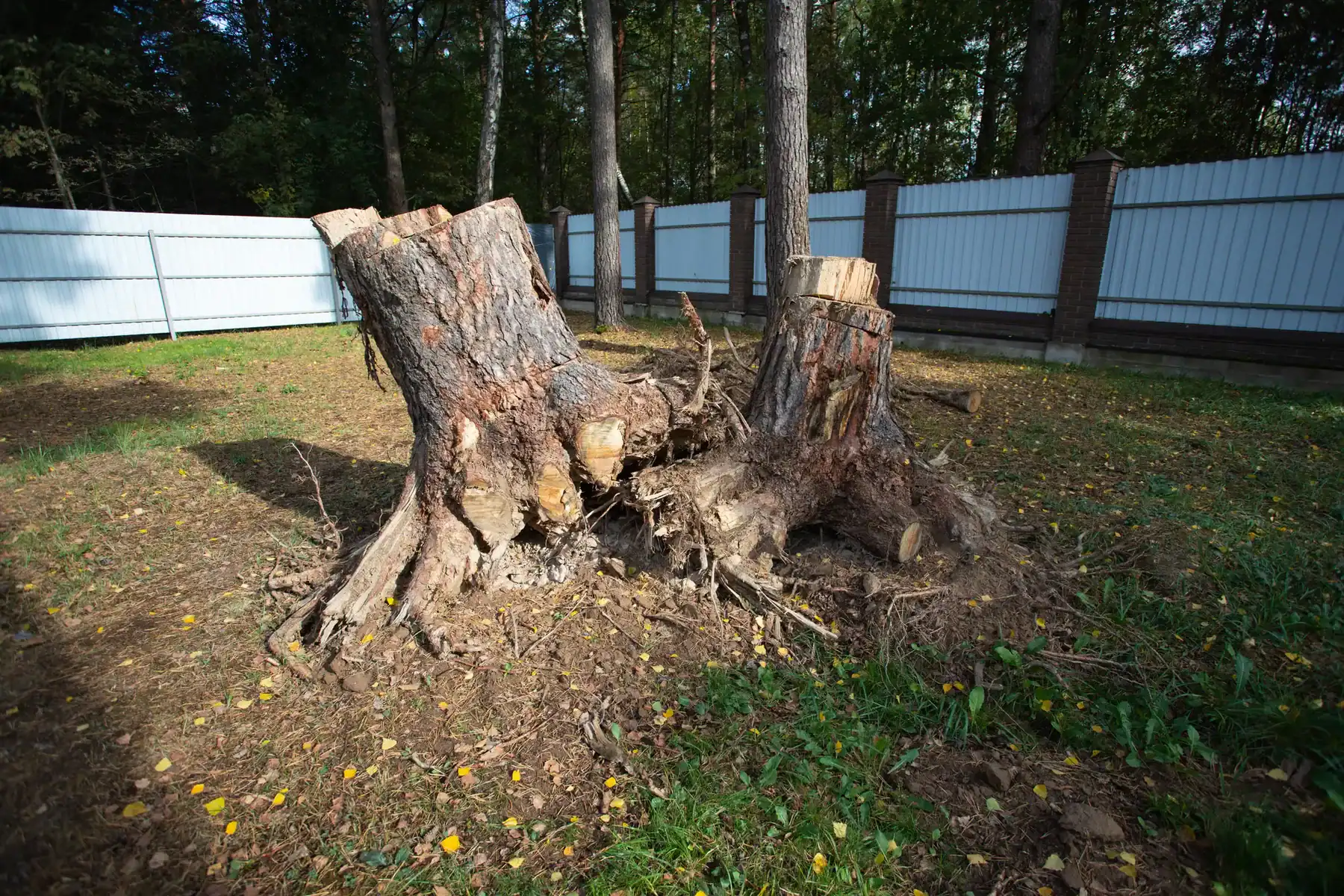
After the tree is down and the immediate hazard is cleared, the job moves to cleanup and restoration. Stump grinding, debris removal, topsoil, and grass seeding are all availableso you’re not left with a reminder of the storm sitting in the middle of your yard. You get a written estimate before any work begins, so there are no surprises when the job is done.
Ready to get started?
Fallen Tree Removal Services, Alcona County MI
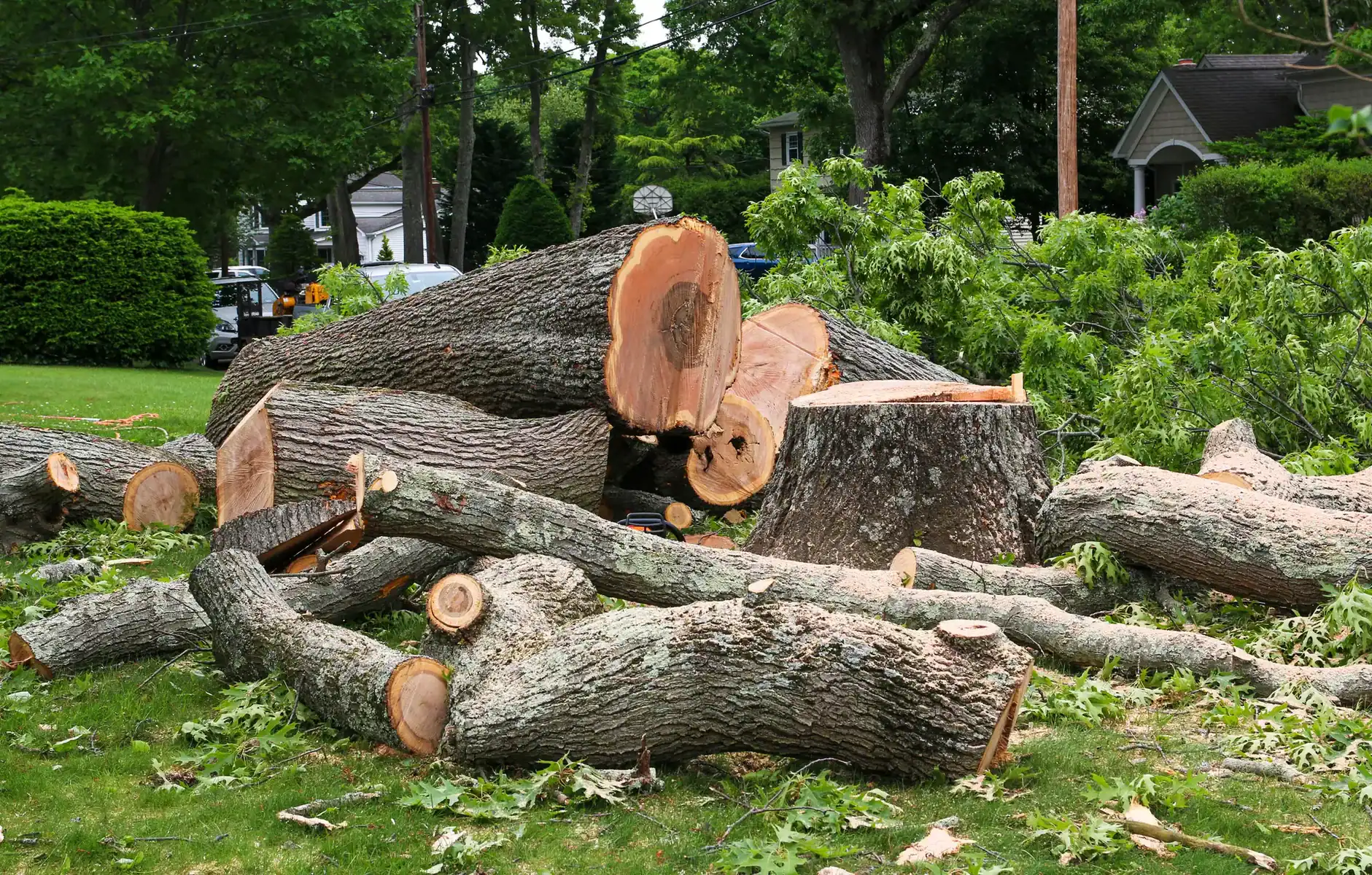
Storm damage tree work in the Bryant area covers more ground than a lot of homeowners expect going in. The core service is emergency tree removalgetting a fallen, leaning, or structurally compromised tree off your property or off your structure safely. But in a township where more than half the land is forested and properties sit at the edge of the Huron National Forest, a single storm event can mean multiple trees down, not just one. The scope of the job reflects that reality.
Hazardous limb removal is a separate but equally urgent situation. A large branch that’s cracked but hasn’t fully fallenwhat arborists call a widow-makeris one of the most dangerous things to leave in place after a storm. It looks like it’s holding, until it isn’t. We handle those situations as part of emergency storm response, not as a separate appointment weeks later.
Beyond the immediate removal, the full list of services includes stump grinding, debris hauling, topsoil installation, mulch spreading, and grass seeding. For Alcona County homeownersmany of whom take real pride in their rural landthat means one relationship, one call, and a property that looks right again when the job is done. There are no named service tiers or packages to choose between; the scope is built around what your specific situation requires.
Does homeowners insurance cover fallen tree removal after an ice storm in Alcona County?
It depends on where the tree landed, and that distinction matters more than most people realize. Michigan homeowners insurance policies generally cover the cost of removing a tree if it falls on an insured structureyour house, an attached garage, a fenceas a result of a covered peril like wind, ice, or lightning. Most policies cap that coverage somewhere between $500 and $1,000 per tree, with a per-incident limit that typically tops out around $2,500.
What most policies do not cover is a tree that fell in your yard without hitting anything. If a large pine came down in an open area of your property and didn’t make contact with a structure, you’re likely looking at an out-of-pocket removal cost regardless of what caused it to fall.
After the kind of ice storm that hit Alcona County in March 2026the one that prompted a Governor’s state of emergency and left more than 118,000 Michigan residents without powera lot of homeowners were navigating insurance claims for the first time. The most important thing you can do before the crew arrives is document everything with photos and video. We can also provide documentation of the damage as part of the job, which helps when you’re filing a claim and your adjuster wants to see the original condition of the site.
How quickly can you respond to an emergency tree call near Bryant, MI?
We operate 24/7 for emergency situations, and when you call, you reach a real personnot a voicemail system. The response timeline for any specific job depends on current demand, distance, and what’s already on the schedule, but emergency situations involving a tree on a structure, a hanging limb over a roof, or a downed tree blocking access get prioritized.
For Bryant-area residents, one of the most common concerns is that a rural Alcona County address puts them at the back of the line. That’s a fair concernplenty of tree services based in larger population centers don’t want to make the drive. We don’t operate that way. The whole point of 24/7 emergency coverage is that it applies to the people who need it most, including homeowners in more rural areas who don’t have three other options to call.
If you’re a seasonal property owner and you’re not on-site, call anyway. We can coordinate the response, get eyes on the damage, and keep you informed throughoutso you’re not flying blind from hundreds of miles away while a tree sits on your camp roof.
Is it safe to stay in my house if a tree fell on the roof after a storm?
That depends on the size of the tree, where it landed, and how much structural damage it causedand honestly, it’s not a call you should make on your own without professional eyes on it. A large tree resting on a roof isn’t necessarily causing visible interior damage right away, but the weight is real and the structural stress is ongoing. If the roof deck is compromised, a subsequent wind event or even just the continued weight of the tree can accelerate the failure significantly.
The general guidance from emergency management and tree care professionals is to treat a tree-on-roof situation as a reason to be cautious about which parts of the house you occupy until the tree is removed and the roof can be properly inspected. Stay away from the rooms directly below the impact area. Don’t go into the attic. And don’t go outside near the tree itselfparticularly if there are overhead utility lines involved.
In the Bryant area, where storms can bring down large-diameter forest trees rather than smaller ornamental yard trees, the weight involved in a roof impact is often substantial. Getting a professional assessment quickly isn’t just about the treeit’s about understanding what the tree did to the structure underneath it before you make any decisions about where it’s safe to be.
What happens if a storm-damaged tree is near a power line on my property in Bryant?
This is one of the most common and most dangerous situations that comes up after a major storm in Curtis Township. The rural roads running through this areaincluding along M-65have overhead utility lines running through forested corridors, and when a large tree comes down or a heavy limb splits, it frequently involves those lines.
The first and most important rule is don’t approach it. A downed line that appears inactive may still be energized, and the ground around it can carry current. Keep people and pets away from the area and call your utility provider to report the outage and have the line de-energized before any tree work begins. Great Lakes Energy serves much of this region and has an outage reporting line for exactly these situations.
Once the line situation is addressed, tree removal near utility infrastructure requires specific technique and equipmentit’s not the same as removing a tree in an open yard. We have documented experience working safely around electrical lines, and multiple customers have specifically called that out in their reviews. That’s not a generic claimit reflects real jobs where our crew handled the proximity to power infrastructure correctly. If your situation involves a tree and a line, make sure whoever you call can actually handle both.
I own a seasonal property near Bryanthow do I handle storm damage when I'm not on-site?
This is a situation that comes up regularly in the Bryant and Curtis Township area, where a significant share of properties are seasonalcamps, cottages, and recreational parcels that may sit unoccupied through the entire winter storm season. When an ice storm or heavy snow event hits while you’re several hours away, finding out about a downed tree from a neighbor or a remote camera and not being able to get there right away is genuinely stressful.
The practical answer is that you don’t need to be on-site for us to respond. You can call, describe what you know about the damage, and we can coordinate a crew to go out, assess the situation, and document everythingincluding photos of the damage before any work beginsso you have a full record for your insurance claim. Clear communication throughout the job means you’re informed at each step without needing to be physically present.
The bigger risk with seasonal properties is delay. A tree that’s been resting against a structure since January and isn’t discovered until April has had months of freeze-thaw cycles, ice loading, and continued weight stress working on whatever it’s touching. What might have been a straightforward removal in January can become a removal plus a significant structural repair by spring. Calling as soon as you know about the damageeven from a distanceis always the right move.
How do I know a storm damage tree crew is legitimate and not a scam operation?
After a major storm event, unlicensed crews do show up in rural Michigan communities. The BBB has issued active warnings about this patterndoor-to-door operations that quote one price, demand cash upfront, and either disappear or do work that creates more problems than it solves. Alcona County’s more isolated rural character, combined with an older homeowner population, makes it a target for exactly this kind of operation after a significant storm.
There are a few things you can verify before anyone starts work on your property. Ask for proof of general liability insurance and workers’ compensation coveragea legitimate company will provide it without hesitation. An uninsured worker injured on your property is your liability, not theirs, so this isn’t an optional check. Also ask for a written estimate before any work begins. If a crew shows up at your door, quotes a price verbally, and wants payment before the job is done, that’s a serious red flag.
Ivan’s Tree Services LLC operates with a published physical address, a listed phone number, verifiable reviews across multiple platforms, and a written estimate policy that’s documented in the company’s terms. You can look us up, read real customer accounts, and confirm our insurance before a single cut is made. In a market where post-storm scammers are a documented reality, that paper trail isn’t a formalityit’s exactly what separates a company you can trust from one you can’t.
Other Services we provide in Bryant