
Storm Damage in Kurtz, MI
When Ice Loads Your Trees Past the Breaking Point
Hear from Our Customers
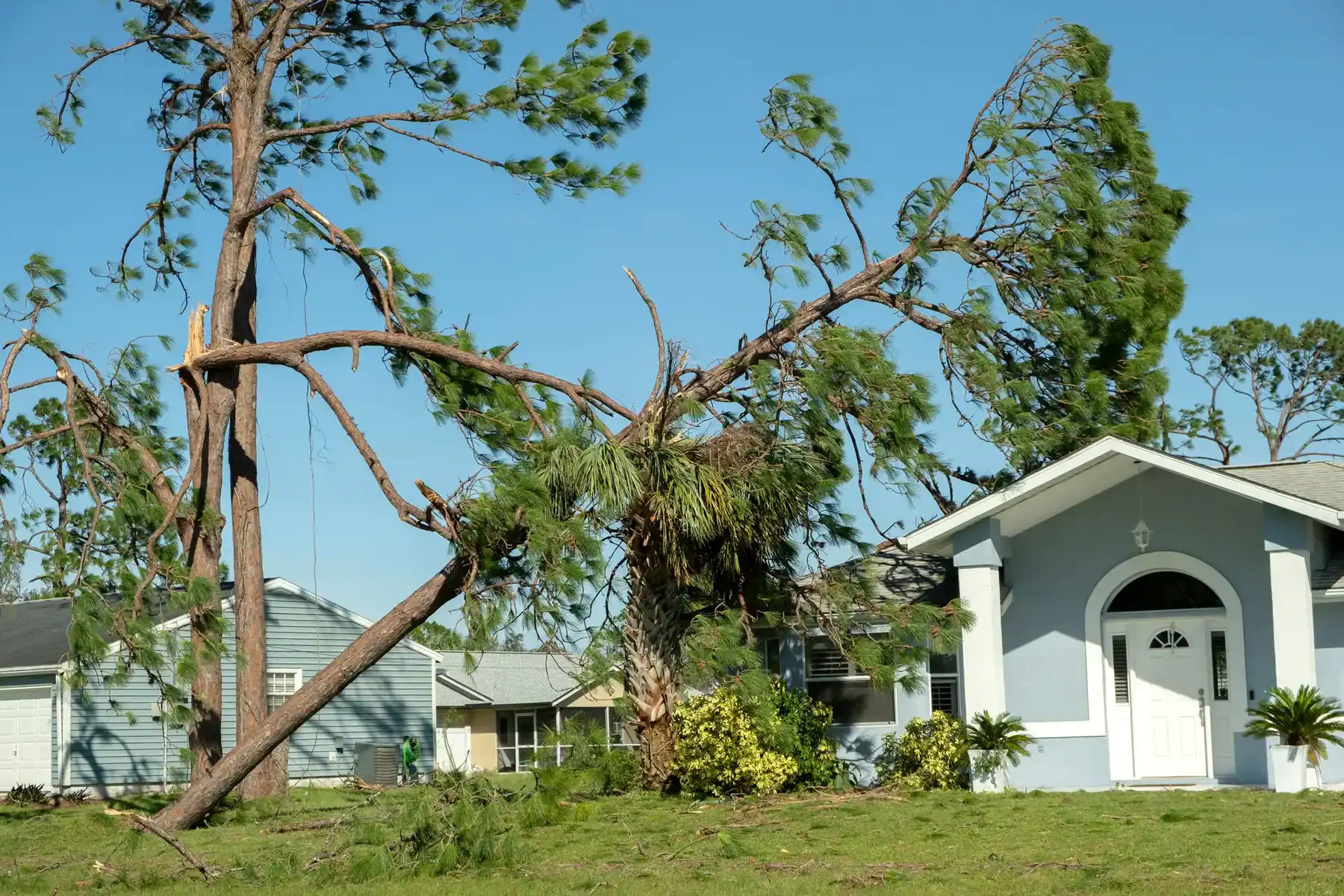
Emergency Tree Clearing Alcona County
After a storm rolls through the Kurtz area, the damage isn’t always obvious from the driveway. A tree that looks like it’s still standing might have a compromised root plate, a split trunk hidden by bark, or a hanging limb that’s one wind gust away from coming through a roof. Getting a trained eye on your property fast is what separates a manageable cleanup from a much bigger problem.
The second-growth forest surrounding Kurtz is full of mature aspen, birch, maple, and conifers that have been growing since the logging era wound down around 1900. These aren’t ornamental trees spaced for safetythey’re forest trees with decades of unmanaged growth, often with structural issues that only reveal themselves under ice load or high wind. When one of them fails, it fails big. A proper storm damage response here means more than cutting what fell. It means assessing what’s still standing and deciding what stays and what needs to come down before the next storm makes that decision for you.
For seasonal property owners on the Au Sable River corridor near Curtisville, there’s an added layer to this. If you weren’t here when the storm hitand the March 2025 ice storm that put Alcona County under a state of emergency struck at the end of March, well before most seasonal owners returnyou may be coming back to damage that’s been sitting for weeks or months. Getting it cleared and assessed before you arrive means you walk into a safe property, not a hazard zone.
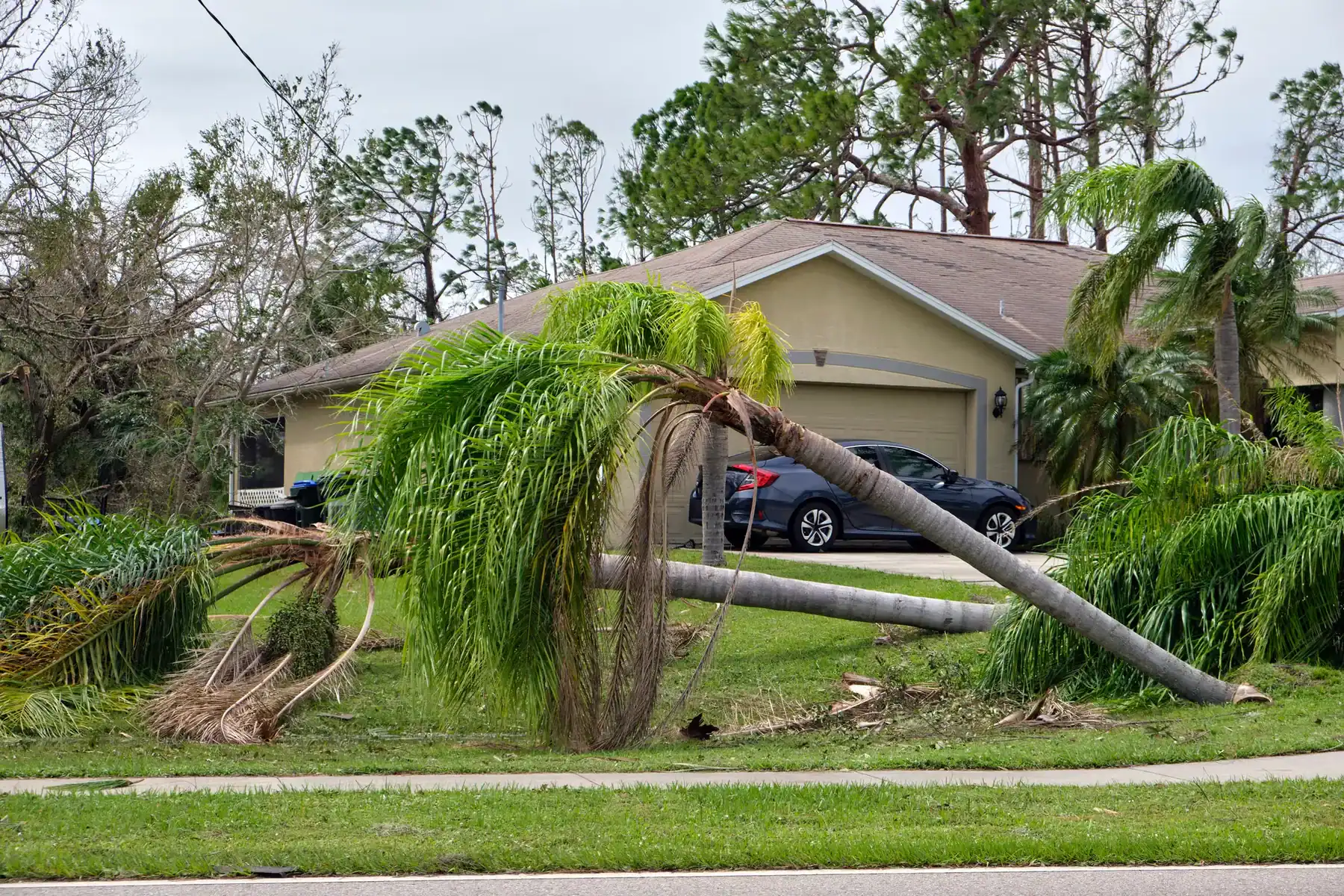
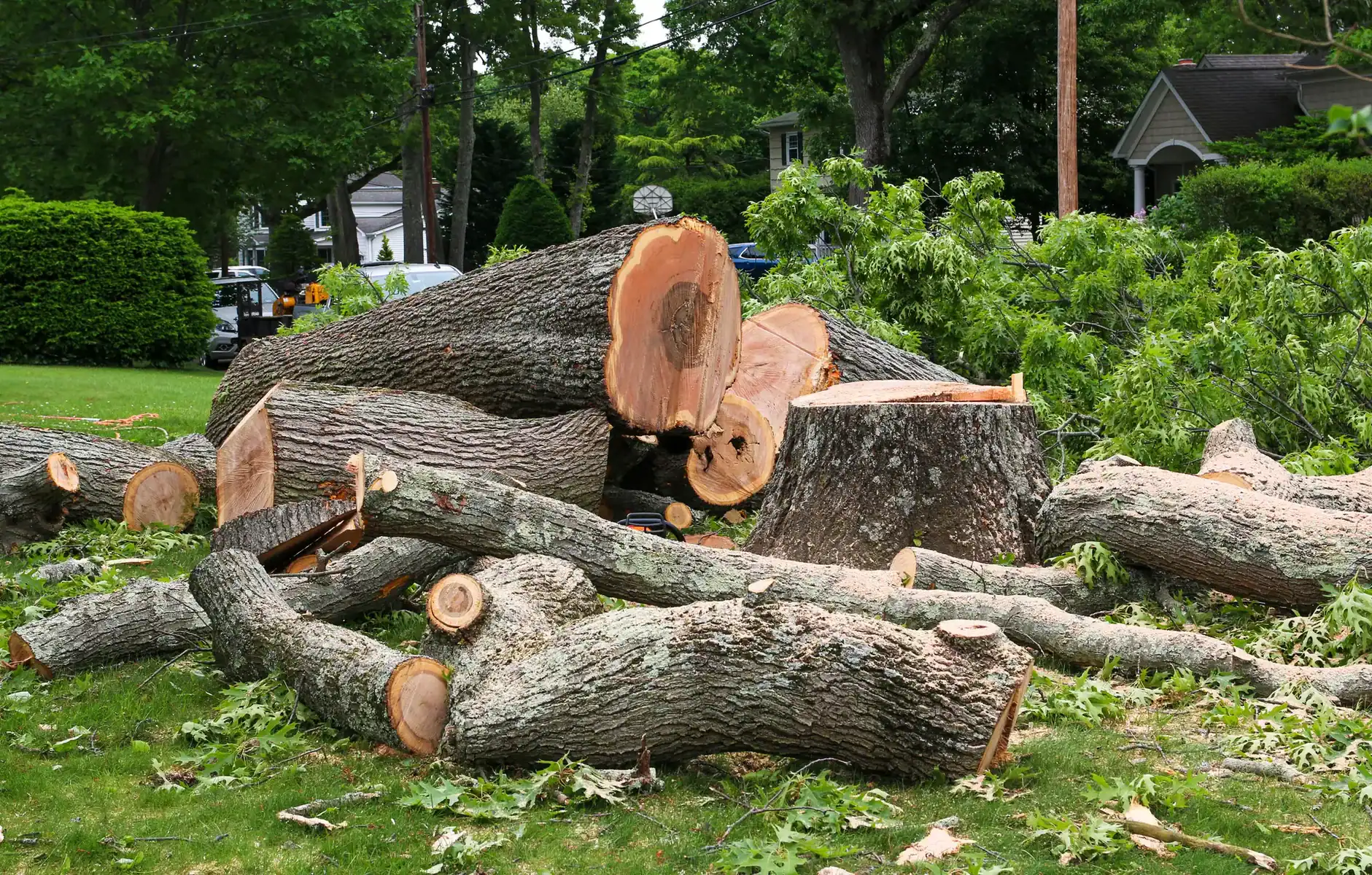
Fallen Tree Removal Alcona County MI
We’re a family-run operation out of Milford, MI, serving Kurtz and the surrounding Alcona County area. I lead every job in the field, and Cecilia handles scheduling and communicationso when you call, you’re talking to a real person who can actually give you answers, not a call center routing you to a queue.
With over seven years of experience across multiple states and environments, I’ve worked with the kinds of large, mature trees that define rural northern Michigan propertiesnot just the managed ornamental trees you find in suburban yards. That difference matters when you’re dealing with an 80-foot birch that came down across a gravel driveway in Curtis Township, or a storm-split maple hanging over an outbuilding near M-65.
We’re licensed and insured, with a published physical address and verifiable reviews across multiple platforms. In a post-storm market where the BBB has issued active warnings about unlicensed crews showing up in Alcona County communities demanding cash upfront, that’s not a small thing. You can confirm who you’re hiring before anyone sets foot on your property.
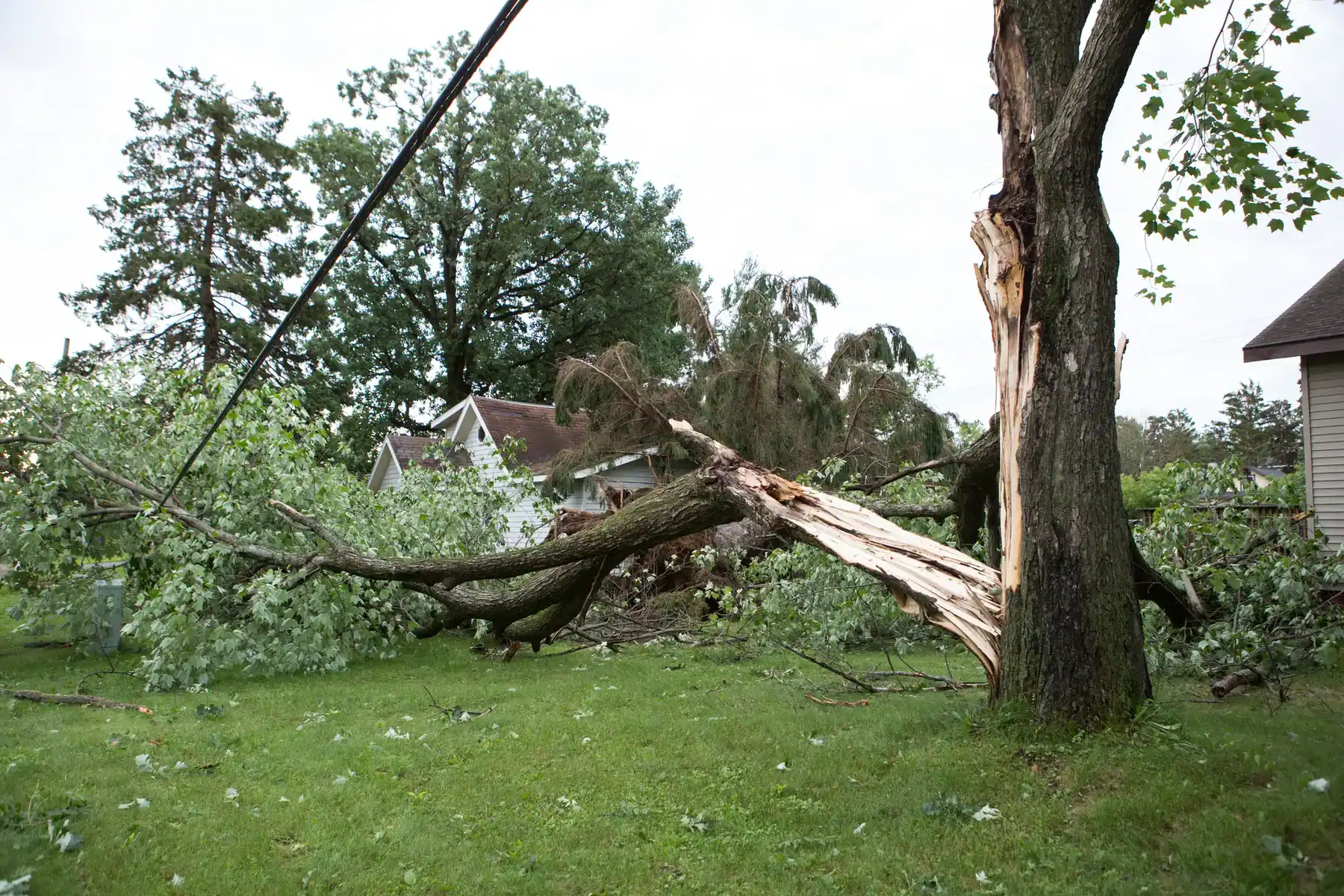
Storm Damage Cleanup Process Kurtz MI
When you call after a storm, the first thing that happens is an actual conversation. Cecilia takes your call, gets the details on what you’re dealing withtree on the roof, blocked driveway, hanging limb over a power lineand gets the job on the schedule. If it’s a true emergency, that conversation leads directly to dispatch, not a callback window.
Once the crew arrives, the first step is always assessment. In the Kurtz area, that means looking at more than what’s already on the ground. The ice storms that have hit Alcona County in back-to-back years have left a lot of trees with damage that isn’t visible until someone gets close. Root heave, internal splitting, compromised branch unionsthese are the things that create the next wave of damage. We evaluate what’s down, what’s hanging, and what’s structurally at risk before any cutting starts.
From there, the work moves in a logical sequence: hazardous limbs and hanging material come down first, then the primary removal, then cleanup. We don’t leave a debris pile and call it done. Brush gets chipped or hauled, the site gets cleared, and if you want to take it furtherstump grinding, topsoil, grass seedingthat’s all available through the same call. No permit is required in Curtis Township or Mikado Township for removing storm-damaged trees on private property, so there’s nothing standing between you and getting the job done.
Ready to get started?
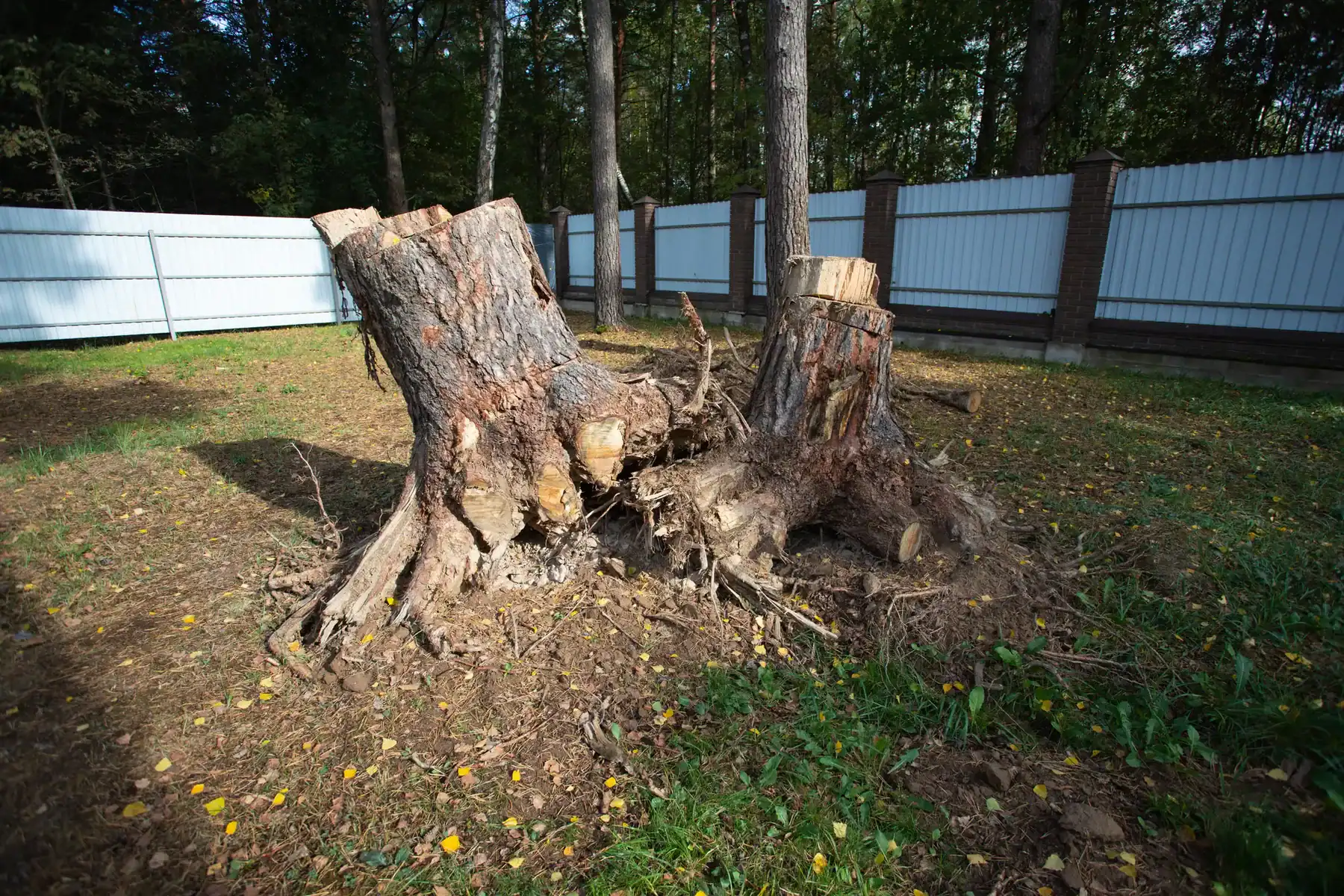
Hazardous Limb Removal Kurtz Michigan
Storm damage work in the Kurtz area covers a wider range than most people expect when they first call. The obvious jobs are fallen tree removal and clearing blocked drivewaysthose are the calls that come in immediately after a storm. But the work that matters most for long-term property safety is often the hazardous limb removal and post-storm assessment that happens in the days and weeks that follow.
In Alcona County’s interior, where ice accumulation runs heavier than on the lakeshore, a single storm event can leave dozens of compromised limbs across a rural property. Some are obvious widow-makerslarge, dead branches hanging over structures or walkways. Others are subtler: live branches with cracked attachment points, or co-dominant stems that shifted under ice load and are now under tension. These don’t announce themselves. They just fall, usually at the worst possible time.
Beyond the tree work itself, we handle the full restoration sidestump grinding after removal, topsoil where root balls were heaved out of the ground, mulch, and grass seeding. For Kurtz-area properties where a storm took down a mature tree and left a crater in the yard, that matters. There’s no municipal cleanup service out here. What we leave behind is what you’re living with. The job isn’t done until the property looks like the storm came through and left, not like it’s still mid-disaster.
Does homeowners insurance cover fallen tree removal in Kurtz, MI?
It depends on where the tree landed. Most Michigan homeowners policies will cover tree removal costs when a tree falls on an insured structureyour house, a garage, a fenceas a result of a covered weather event like wind, ice, or lightning. The typical coverage range is $500 to $1,000 per tree, sometimes capped around $2,500 per incident. That won’t cover the full cost of a large removal in most cases, but it’s a meaningful offset.
Where people get caught off guard is when the tree falls in the yard without hitting anything. That scenario is generally not covered, even if the tree was healthy and the storm was severe. The other thing worth knowing: if you have a hazardous tree that’s clearly at risk and you delay removal, and it then falls and causes damage, your insurer may deny the claim on the grounds that you failed to mitigate a known risk. After the 2025 ice storm that triggered a state of emergency in Alcona County, a lot of properties around Kurtz were left with visibly compromised trees. Getting those assessed and removed isn’t just a safety issueit protects your insurance position.
How quickly can someone respond to storm damage tree emergencies near Kurtz?
We run 24/7 emergency response, which means the call gets answered and dispatch happens around the clocknot just during business hours. In a true emergency situation, like a tree on a roof or a hanging limb over an active power line, the goal is to get a crew moving as fast as road conditions allow.
That last part matters in the Kurtz area specifically. After a major ice stormand Alcona County has had two significant ones in back-to-back yearsM-65 and the county roads serving Curtis Township and Mikado Township can be compromised for hours or even days. Response time after a major event is partly a function of when roads are passable, not just when crews are available. What that means practically is that calling as early as possible, even while the storm is still winding down, gets you on the schedule ahead of the surge. Demand spikes sharply after events like the 2025 storm, and the first credible, insured company that can come out is the one that gets the call.
Is it safe to stay in my house if a tree fell on the roof?
That’s a judgment call that depends on what part of the roof was hit, how much structural damage occurred, and whether the tree is still exerting weight or pressure on the structure. A small branch that clipped the edge of a roofline is a different situation than a 70-foot trunk that came through the rafters.
If there’s any question about structural integrity, the safer move is to get out and stay out until someone qualified has looked at it. Beyond the roof itself, there are secondary concerns: trees that fall on structures in ice storm conditions often bring utility lines with them, or fall in ways that leave the remaining portion of the tree unstable. The part still standing may be more dangerous than what already came down. Our crew does a full site assessment before any cutting starts specifically because the visible damage and the actual hazard aren’t always the same thing. If you’re dealing with a tree-on-structure situation in Kurtz, call first and let the crew tell you what they’re seeing before you make decisions about whether to stay or go.
What's the difference between emergency tree service and standard tree removal?
Standard tree removal is scheduled workyou call, get an estimate, pick a date, and the crew comes out under normal conditions. Emergency tree service is what happens when you can’t wait for a scheduled appointment because something is actively dangerous or causing ongoing damage right now.
The practical differences are response time, job complexity, and cost. Emergency calls are prioritized and dispatched faster, but they also tend to involve more complicated conditionstrees on structures, work near downed or compromised utility lines, tight access situations on rural driveways. That complexity, plus the after-hours or surge-demand nature of the work, is why emergency tree removal typically runs 25 to 50 percent higher than a standard scheduled removal. In Alcona County after a major ice storm, when local demand spikes and crews are stretched across multiple properties, having an insured professional who can show up with the right equipmentnot just a neighbor with a chainsawis what makes the difference between a clean removal and additional property damage.
Should I get multiple quotes before hiring a storm damage tree service in Alcona County?
In a non-emergency situation, getting multiple quotes is reasonable and often worth doing. We consistently come in as the most competitive bid when customers compare multiple estimates, so the comparison usually works in everyone’s favor.
But in a true emergencya tree on your roof, a hanging limb over a power line, a blocked driveway on a rural property with no alternate accesswaiting two or three days to collect quotes is not a neutral decision. Every hour a compromised tree sits on a structure, it’s adding weight, moisture, and potential for further damage. If your insurer later determines you had a known hazard and didn’t act on it, that can affect your claim. The better approach in an emergency is to find one licensed, insured, local company with verifiable reviews, get a written estimate before work starts, and move. We provide written estimates on all jobsthat’s documented in our termsso you’re not agreeing to a verbal number that changes when the bill arrives.
How do I know if a tree on my Kurtz property is still dangerous after a storm passes?
This is one of the most important questions to ask, and most homeowners don’t ask it until something goes wrong. A tree that’s still standing after a storm isn’t necessarily safe. The 2025 ice storm that hit Alcona County left a lot of trees with damage that wasn’t visible from the groundroot plates that partially heaved and then settled back down, internal trunk cracks that closed up as temperatures rose, branch unions that cracked under ice load but didn’t fully separate.
The specific risk factors to watch for are leaning that wasn’t there before the storm, cracks or splits in the main trunk or major branches, bark that’s been stripped or sheared, roots that lifted on one side, and any branches hanging in the canopy that didn’t come all the way downthose are what arborists call widow-makers, and they’re unpredictable. In the Kurtz area, where properties are surrounded by mature second-growth forest and there’s no municipal tree service coming through to assess the public right-of-way, the responsibility for identifying and removing post-storm hazards falls entirely on the property owner. A professional assessment after any significant storm eventespecially after the kind of ice loading Alcona County has seen in recent yearsis the only reliable way to know what’s actually safe and what isn’t.
Other Services we provide in Kurtz