
Storm Damage Tree Service near Hubbard Lake, MI
When Alcona County Ice Storms Hit, You Need Someone Who Actually Shows Up
Hear from Our Customers
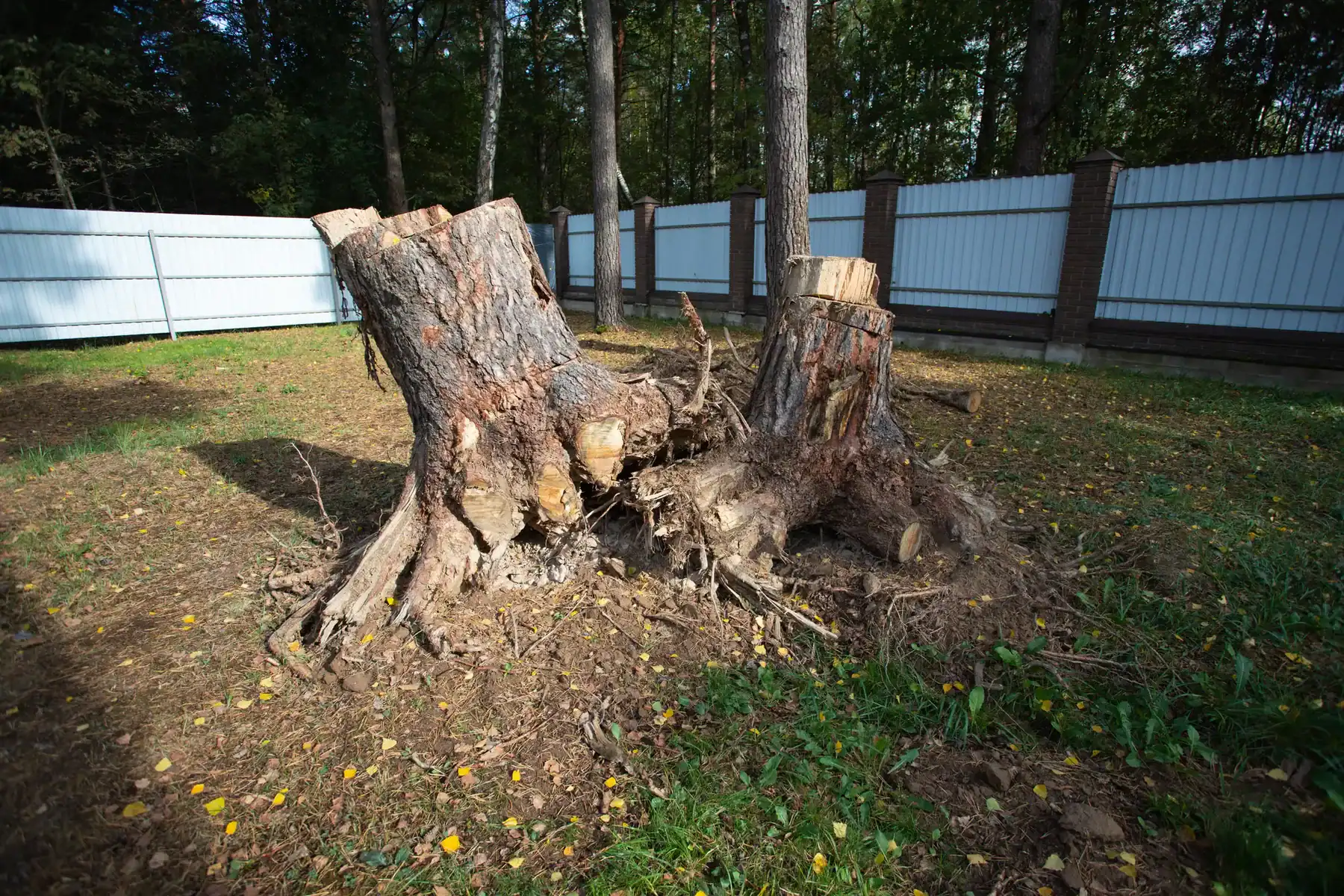
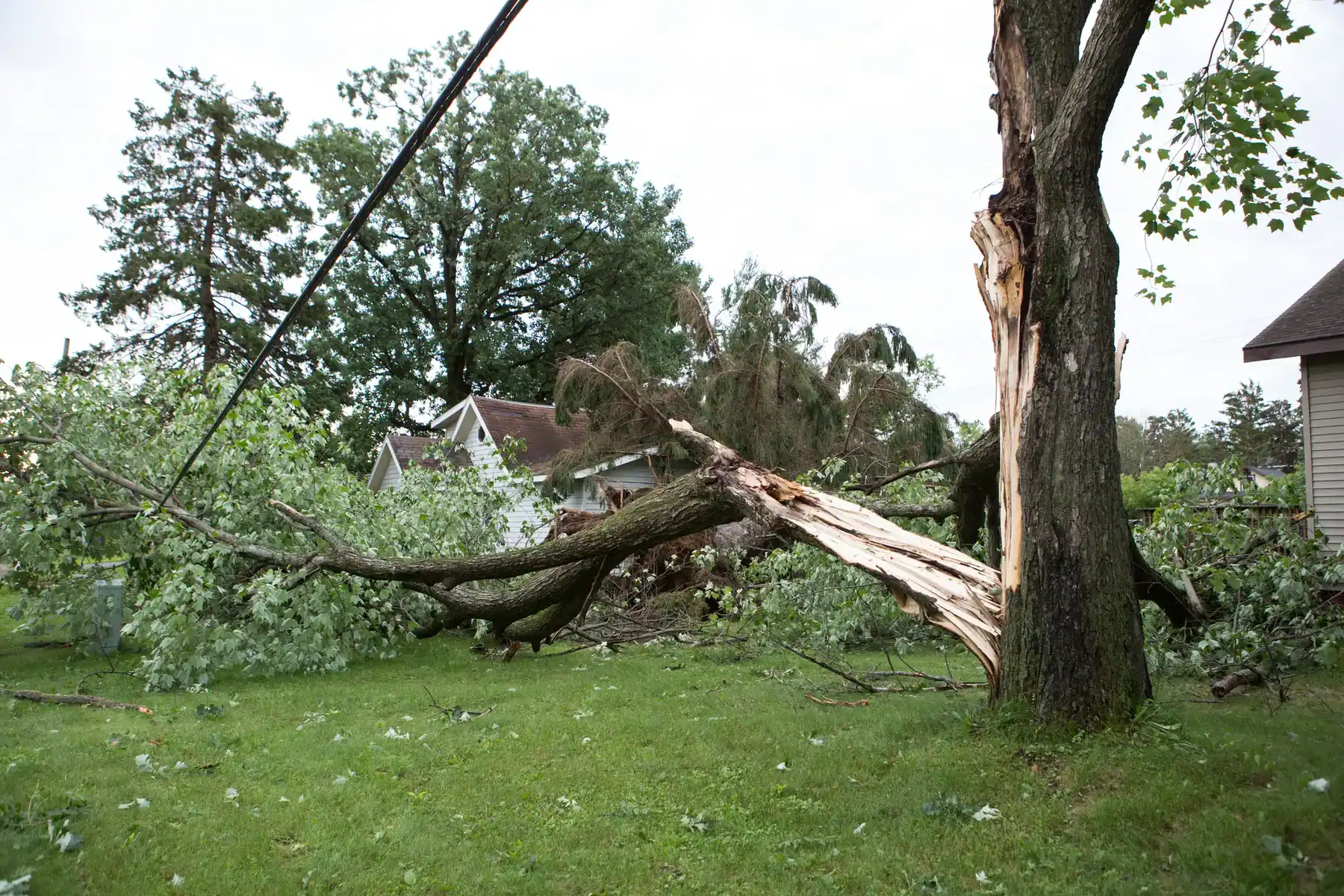
Emergency Tree Clearing, Alcona County MI
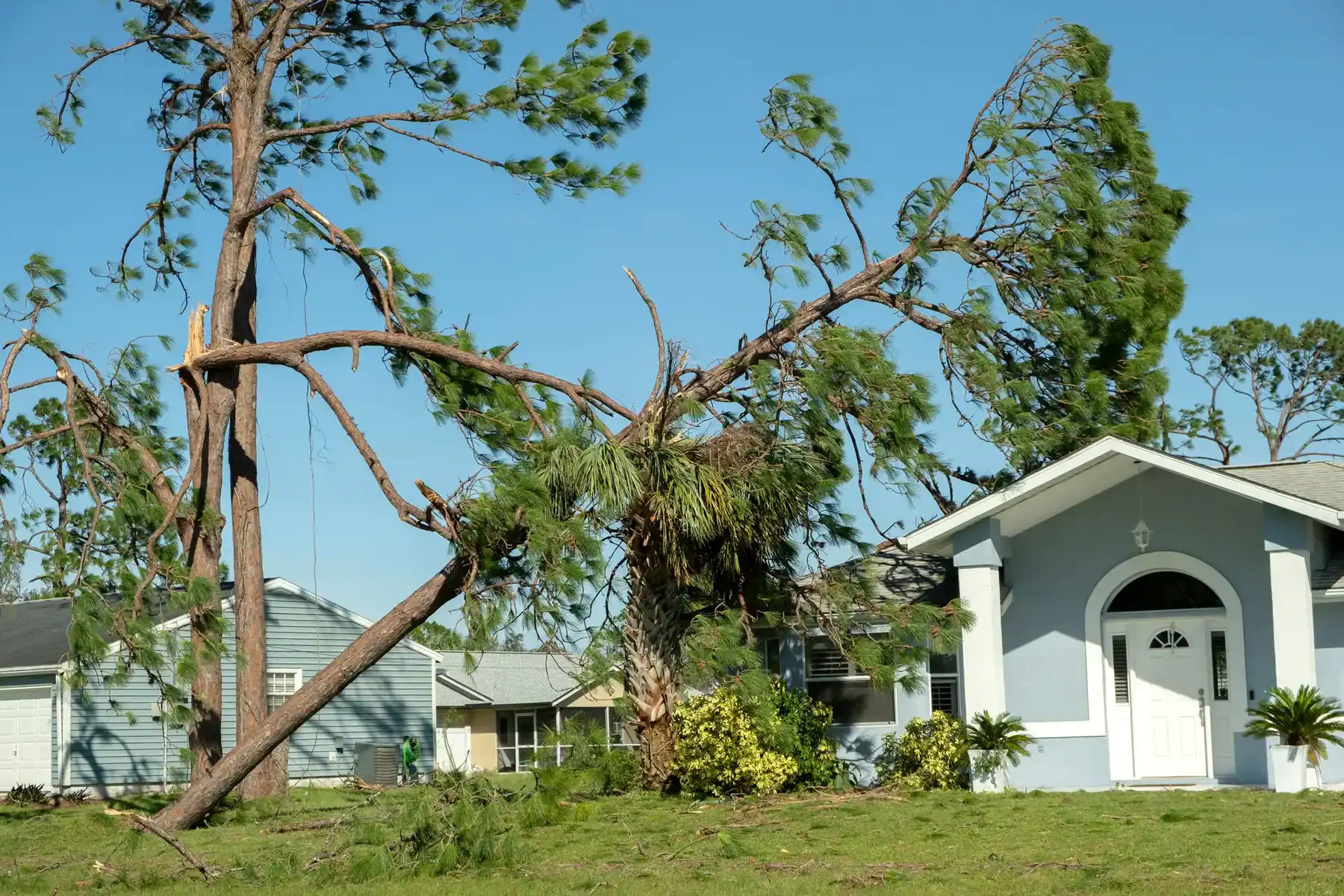
After a storm rolls through Hubbard Lake, the damage isn’t just cosmetic. Ice-loaded branches split and drop onto roofs, decks, and boathouses. Root systems that look intact from the outside can be completely compromised underneath. What you’re left with is a property that needs more than a chainsaw crewit needs someone who knows how to assess the full picture and handle it safely.
For lakefront homeowners on Hubbard Lake, that risk is compounded by the sheer size of the trees growing along 19 miles of wooded shoreline. These aren’t ornamental yard trees. They’re mature hardwoods and conifers that have been growing for decades, and when one of them comes down near a structure, the removal requires real equipment, real experience, and real care about what’s underneath it.
What you get when the job is done right: the tree is gone, the stump is ground, the debris is hauled, and if the ground was disturbed, topsoil and grass seeding bring the lawn back. One crew, one call, one complete jobnot three separate contractors over three separate weeks.
Licensed Tree Service, Hubbard Lake, Michigan
We’re family-owned and operated out of Milford, MI, with over seven years of hands-on tree care experience across multiple states and environments. Ivan leads every field job personally. His fiancée Cecilia handles scheduling, communication, and follow-throughso when you call after a storm, a real person picks up, gives you straight answers, and keeps you updated from start to finish.
That matters especially for Hubbard Lake, where a significant share of properties are seasonal or second homes. If you’re downstate when a storm hits Alcona County and a neighbor calls saying a tree came through your roof, you need a company that can manage the job without you having to make an emergency drive up M-65 in winter road conditions. We have the communication structure to handle it remotelydocumentation, updates, and a written estimate before any work begins.
Our crew is licensed, insured, and has been specifically recognized by customers for safe work around downed and compromised power lineswhich, given Alpena Power’s documented history of widespread line damage during Alcona County ice storms, is not a minor detail.
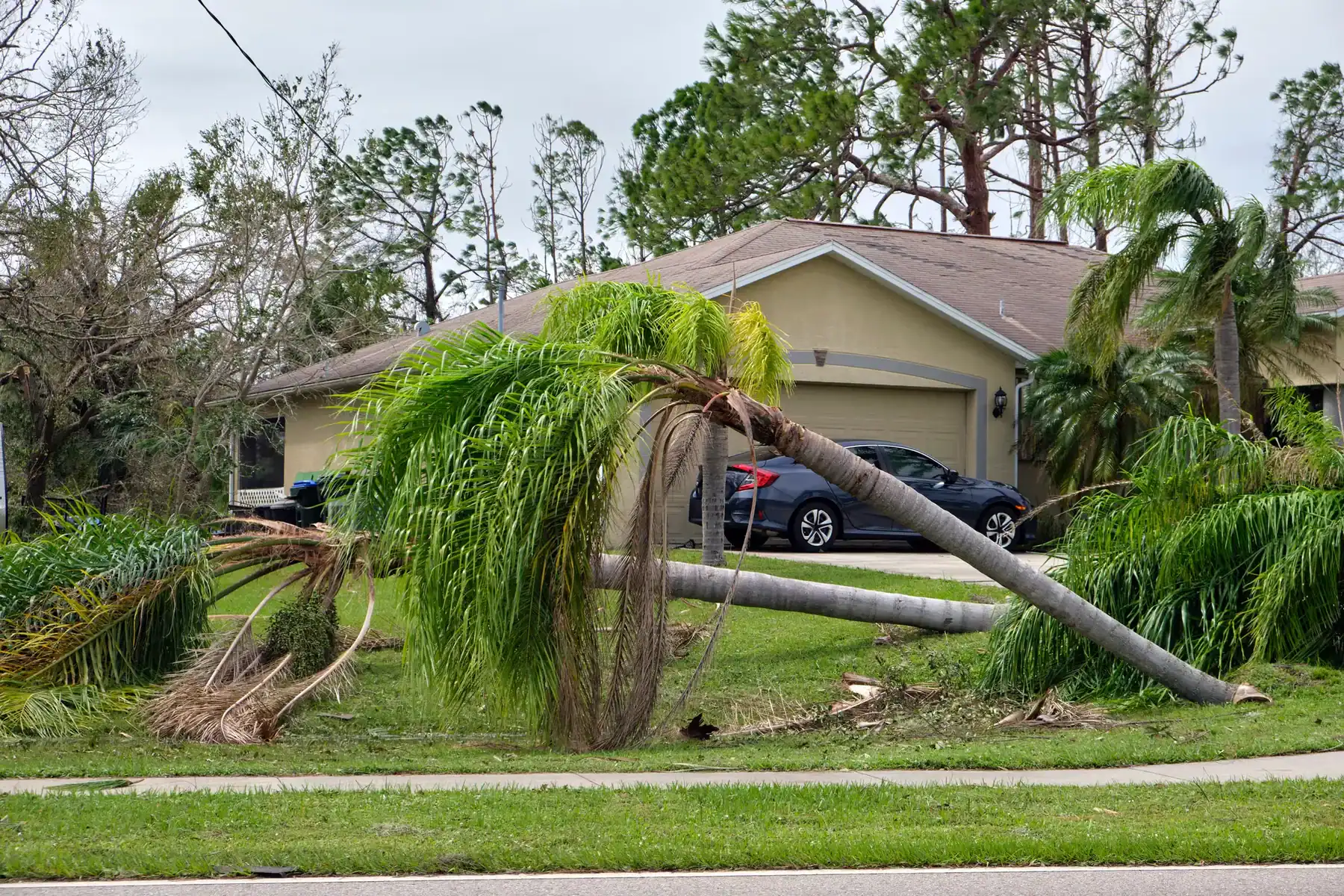
Storm Damage Tree Removal Process, Hubbard Lake
When you call us after a storm, the first thing that happens is a real conversationnot a voicemail, not a callback queue. You describe what you’re dealing with, and we figure out the fastest and safest way to get there. For Hubbard Lake properties, that means factoring in road conditions along M-65 and the county roads feeding into the lake area, which after a significant ice event can be slow going. We account for that upfront rather than promising a timeline that doesn’t hold.
On arrival, our crew assesses the full scope before touching anything. That includes checking for proximity to power linesa critical step in Alcona County, where ice storms routinely bring down utility infrastructure alongside trees. If a line is involved or suspected, our approach changes accordingly. You get a written estimate before work starts, which also gives you the documentation your insurance company will want to see.
From there, it’s removal, cleanup, andif neededstump grinding, topsoil, and grass seeding to bring the property back to where it was. For absentee property owners managing the situation remotely, Cecilia keeps communication clear throughout so you’re never left wondering what’s happening at your place on the lake.
Ready to get started?
Fallen Tree Removal and Hazardous Limb Service, Alcona County
We handle the full range of storm damage situations that Hubbard Lake properties facefallen tree removal, hazardous limb removal, emergency tree clearing, storm debris cleanup, and stump grinding. For properties where the ground has been disturbed or the root system removal left a bare patch, topsoil installation and grass seeding are available to finish the job properly.
Hubbard Lake sits across three townshipsAlcona, Caledonia, and Hawesand because the community is unincorporated, there’s no single municipal code enforcement authority. That means permit requirements for tree removal on private residential property are handled at the township level, and for most storm damage situations away from the immediate shoreline, no permit is required. However, if your property sits close to the water’s edge, Michigan’s environmental regulations around shoreline vegetation removal may applysomething worth knowing before work begins, and something we can help you navigate.
Our 24/7 emergency tree service is available for exactly the situations Alcona County sees repeatedly: ice storm damage, fallen trees on structures, widow-maker limbs hanging over roofs, and post-storm hazards that can’t wait for a scheduled appointment. If the situation is urgent, treat it that waydelaying removal on a compromised tree can lead to additional structural damage and can complicate an insurance claim.
Does homeowners insurance cover fallen tree removal in Hubbard Lake, Michigan?
It depends on where the tree landed and what caused it to fall. Michigan homeowners policies typically cover tree removal when a tree falls onto an insured structureyour home, garage, or another covered outbuildingas a result of a covered peril like wind, ice, or lightning. Most policies cover somewhere between $500 and $1,000 per tree for removal costs, sometimes capped around $2,500 per incident.
What most people don’t realize is that if the tree falls in your yard without hitting a structure, removal usually isn’t covered. That’s a common situation after Alcona County ice storms, where heavy ice loads bring down large limbs or whole trees into open yard space rather than onto a building. If you’re unsure whether your specific situation qualifies, document the damage thoroughly with photos before any work beginsthat documentation is what your adjuster will need. We provide written estimates that also serve as part of that paper trail.
How quickly can a crew respond to emergency tree damage near Hubbard Lake?
We offer 24/7 emergency response for storm damage situations, and the goal is always to get there as fast as road conditions allow. In Hubbard Lake’s case, that means accounting for the rural road networkM-65 and the county roads feeding into the lake area can be slow or restricted after a significant ice event, which Alcona County has experienced repeatedly in recent years.
The honest answer is that response time after a major storm depends on the severity of conditions and the volume of calls coming in. What we can commit to is that a real person answers when you call, gives you an honest timeline, and keeps you updatednot a voicemail that sits for hours. For absentee property owners managing the situation from downstate, that communication piece matters as much as the response time itself. We won’t show up, do undisclosed work, and hand you a billyou’ll know what’s happening before it happens.
Is it safe to stay in my house if a tree has fallen on the roof?
That depends on the extent of the structural damage and whether the tree is still shifting or settling. A tree that has fully come to rest on a structure may be temporarily stable, but you have no way of knowing from inside the house whether the roof framing has been compromised, whether the tree is still moving, or whether there are secondary limbs above that could drop. The safest move is to get out of the affected area of the houseideally the house entirelyuntil a professional can assess the situation.
In Alcona County’s ice storm conditions specifically, a tree that looks stable after the initial fall can shift again as temperatures fluctuate and ice melts or refreezes. If there are power lines involved anywhere near the fallen tree, treat the entire area as a hazard zone and keep everyone well clear. Do not attempt to move or cut the tree yourself. Call us, describe what you’re seeing, and let our crew make the call on what’s safe before anyone approaches the tree.
What happens if a neighbor's tree falls onto my Hubbard Lake property?
This is one of the most common questions after any storm, and the general answer in Michigan is that liability depends on whether the tree owner knew or should have known the tree was hazardous. If a neighbor had a visibly dead, diseased, or leaning tree and did nothing about it, there’s a reasonable argument for liability. If it was a healthy tree that came down in an extreme stormwhich is often the case in Alcona County’s ice eventsyour own homeowners insurance is typically the first line of coverage for damage to your property, regardless of where the tree came from.
The practical reality is that sorting out liability takes time, and the tree is on your property right now. Getting it removed quickly mattersboth to prevent additional damage and to avoid any insurance complications around “failure to mitigate.” Document everything before removal, including photos of where the tree was rooted, the direction it fell, and any visible condition issues. That documentation is useful whether you’re dealing with your own insurer or pursuing a conversation with your neighbor.
How do I know if a tree company showing up after a storm in Alcona County is legitimate?
This is worth taking seriously. The BBB has issued active warnings about unlicensed crews that descend on declared-emergency areas after major stormsexactly the kind of events Alcona County has experienced more than once. These crews typically show up door to door, offer unusually low quotes, and demand full cash payment upfront before any work is done. Once paid, the work may be incomplete, substandard, or never finished at all.
A legitimate tree service will have a verifiable physical address, a published phone number, and proof of general liability and workers’ compensation insuranceand they’ll hand that proof over without hesitation if you ask. They’ll also provide a written estimate before any work begins, not after. We meet all of those standards: licensed, insured, with a published address and a verifiable review history across multiple platforms. If a crew knocks on your door after a storm and can’t produce insurance documentation on the spot, that’s your answer.
Can storm-damaged trees near Hubbard Lake's shoreline be removed without a permit?
For most storm damage situations on private residential property in the Hubbard Lake area, no permit is required for tree removal. Michigan doesn’t have a state-level tree contractor license requirement, and the three townships that govern the Hubbard Lake CDPAlcona, Caledonia, and Haweshandle zoning at the local level without a countywide ordinance that would typically require permits for standard residential tree removal.
The exception worth knowing about is shoreline proximity. Michigan’s environmental protection laws regulate vegetation removal within certain distances of inland lakes and streams, and Hubbard Lake is a regulated body of water. If your property sits close to the water’s edge and the tree removal involves significant ground disturbance near the shoreline, there may be state-level review involved under MDEQ/EGLE guidelines. This isn’t a reason to delay emergency removal when a tree is on a structuresafety comes firstbut it’s worth a conversation before any large-scale clearing work happens near the water. We can help you understand what applies to your specific situation before our crew starts.
Other Services we provide in Hubbard Lake