
Storm Damage in Curran, MI
When the Huron National Forest Comes Down on Your Property
Hear from Our Customers
Emergency Tree Removal Alcona County
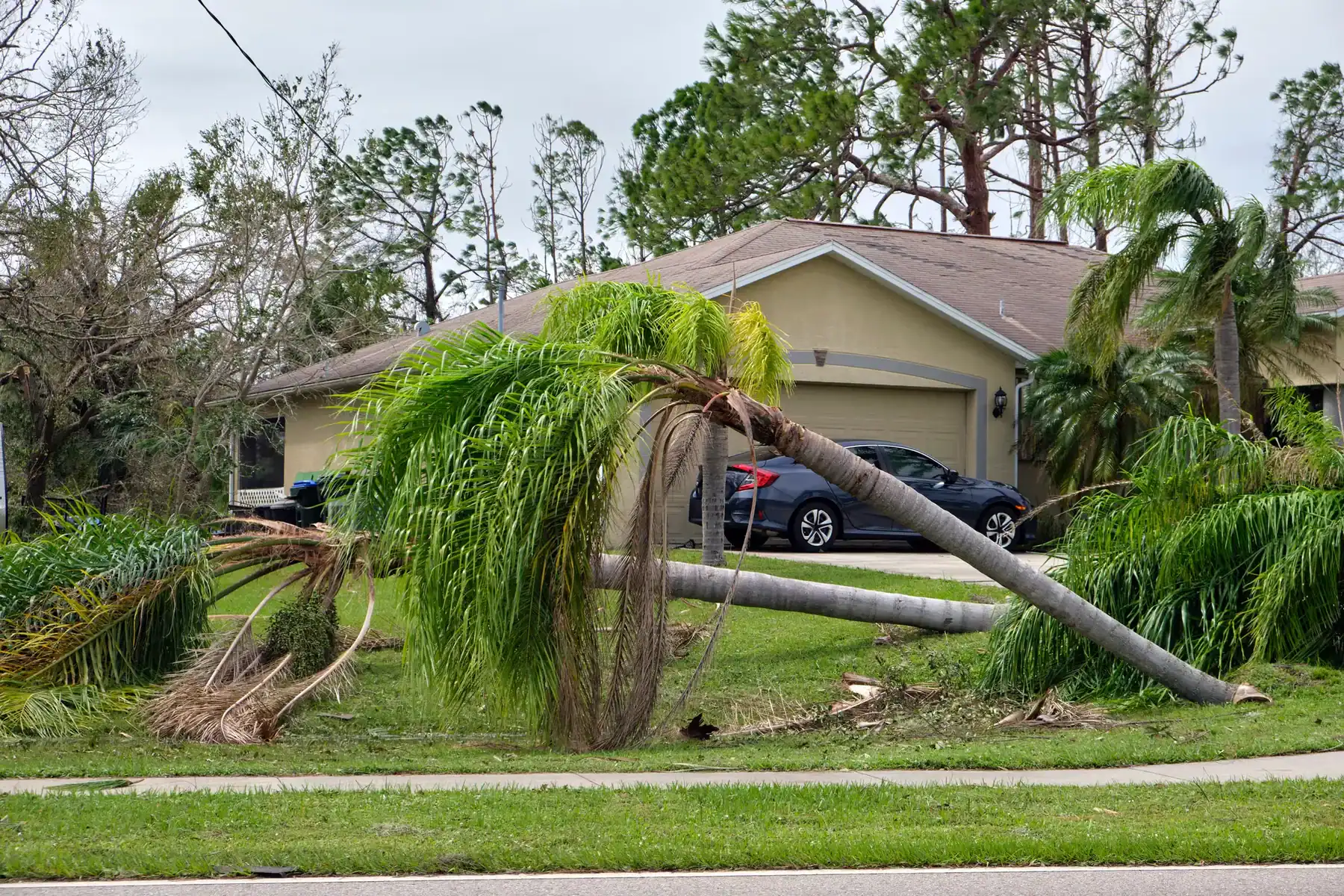
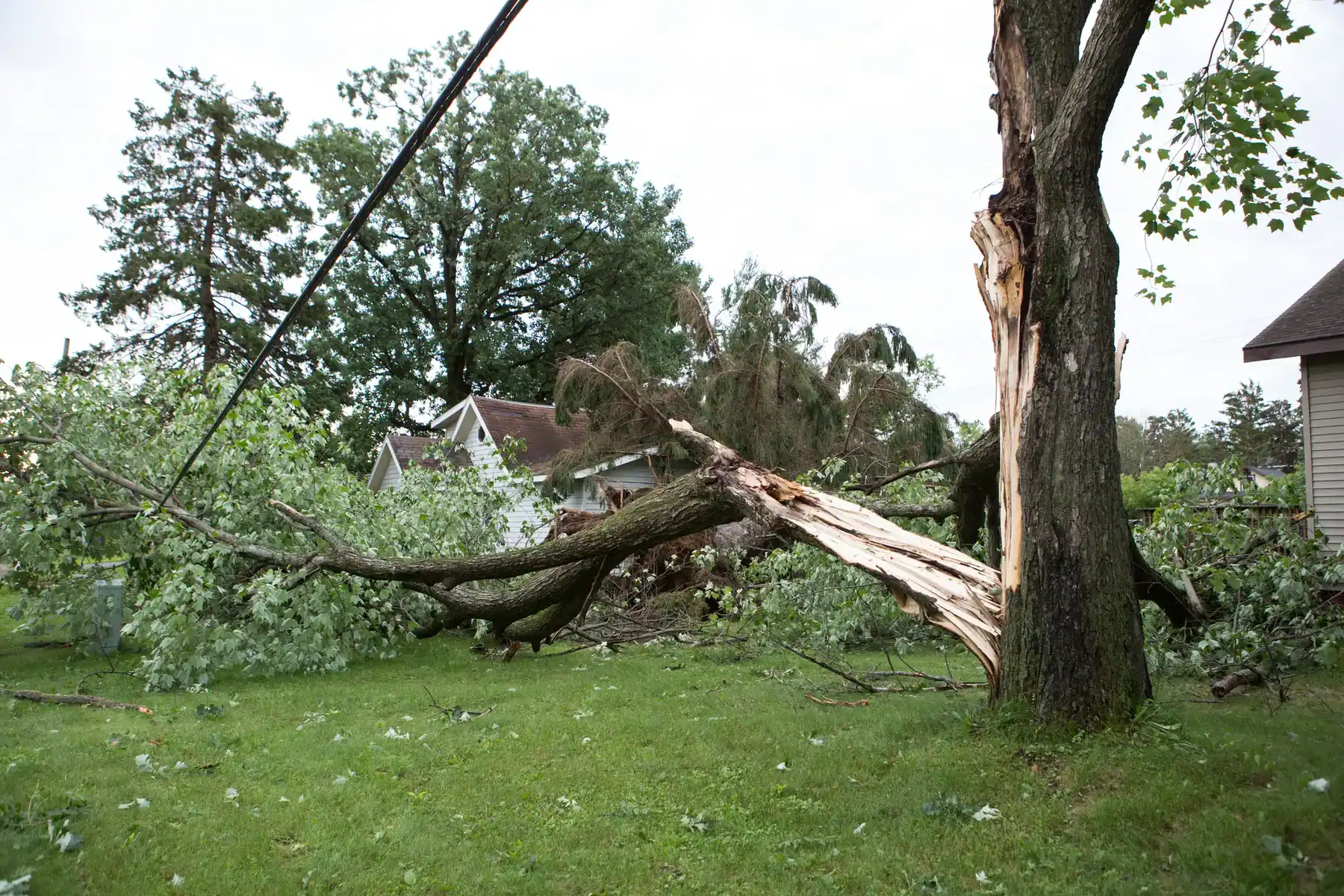
When a storm drops a tree on your roof, blocks your driveway, or leaves a widow-maker hanging forty feet over your front door, the situation doesn’t improve on its own. Every hour that passes with a compromised tree on or near a structure increases the risk of additional damageand in some cases, it can complicate your insurance claim if an adjuster determines you didn’t act quickly enough to stop further harm.
For properties in and around Curran, that risk is higher than most people realize. The second-growth hardwood and mixed forest that surrounds this communitywhite birch, red maple, and aspenmeans most homes and cabins here have dozens of trees within direct fall distance of a structure. These species are particularly brittle under ice load, and after a storm like the one that hit this area in March 2025, the damage isn’t limited to one tree. It’s multiple trees, in complex positions, sometimes leaning against other trees or resting on structures in ways that require real rigging experience to remove safely.
What you get when the job is done isn’t just a cleared yard. It’s a property you can actually use againdriveway open, roof clear, hazards gone, and debris hauled away. If you want the stump ground and the lawn restored after, we can handle that too. The goal is to hand the property back to you in a condition that doesn’t require three more phone calls to three more contractors.
Trusted Tree Service Near Curran, MI
We’re a family-owned operation run by Ivan and his fiancée Cecilia. Ivan leads every field job personallyhe’s not dispatching a crew you’ve never met while staying in an office. Cecilia handles scheduling and communication, which means when you call after a storm, you reach a real person who can give you a straight answer about timing and next steps.
We carry full liability and workers’ compensation insurance, and that’s verifiablenot just a line on a website. In a rural area like Alcona County, where post-storm demand brings out unlicensed door-to-door crews asking for cash upfront, that distinction matters. The BBB has issued active warnings about exactly those operators, and the safest move after any storm is to confirm the company you’re calling is licensed, insured, and has a physical address and real reviews you can check.
Ivan’s background spans multiple states and environments, including forested rural properties that look a lot like what you find along M-65 and M-72 through Mitchell Township near Curran. Dense canopies, unpaved access, multiple trees down at oncethat’s not unfamiliar territory. Over seven years of field experience shows in how we approach a complex job without creating new problems in the process.
Storm Damage Cleanup Process Curran, MI
When you call us after a storm, you’re not leaving a voicemail and hoping someone calls back in two days. The line is answered around the clock for emergency situations, and the first conversation is straightforwardwhere is the tree, what did it hit or land near, and is there any immediate safety concern like a downed power line or a tree actively pressing on a structure. That information determines how fast we mobilize and what equipment comes with us.
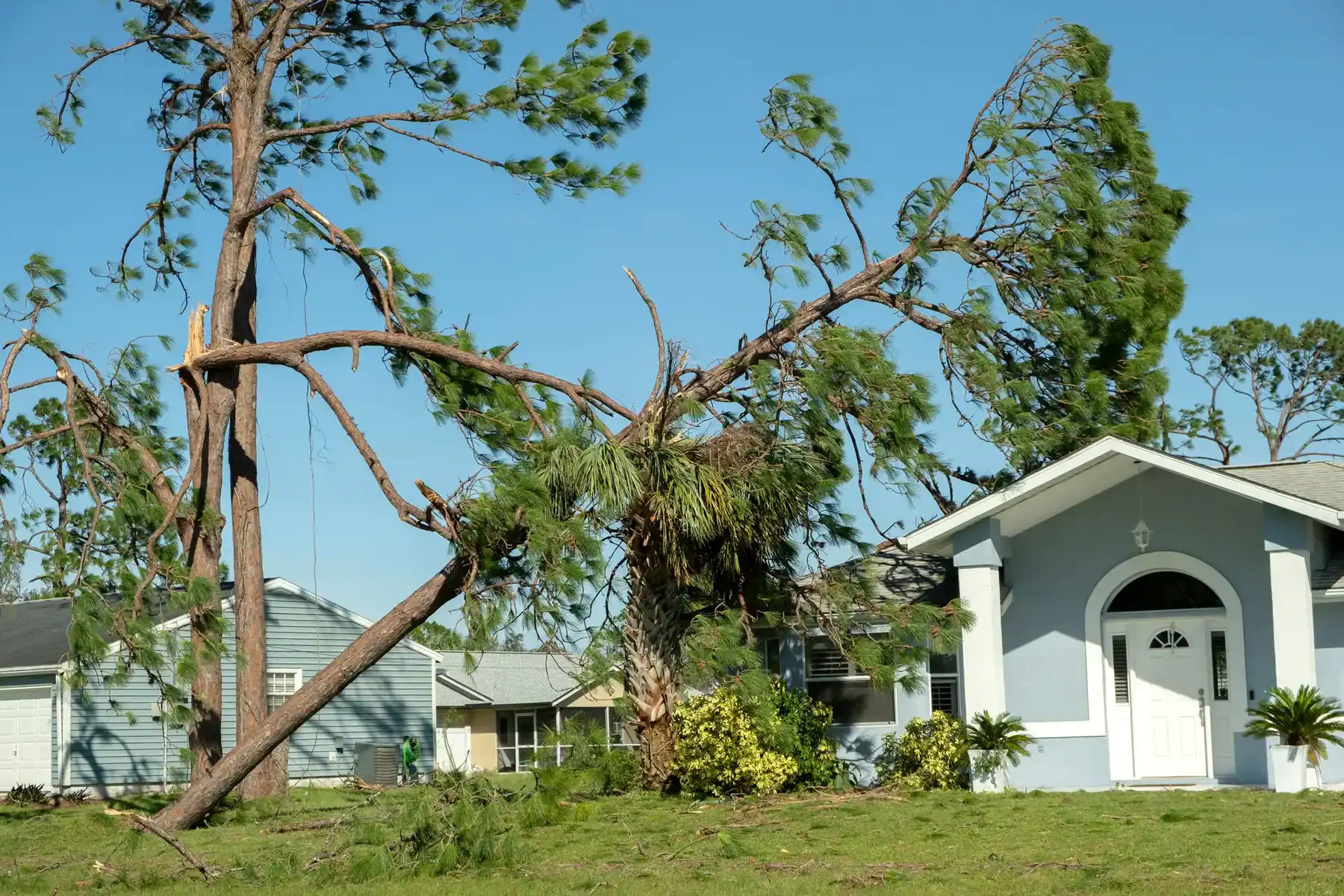
Once on-site, we assess the full scope before any cutting starts. In Alcona County, that assessment almost always includes a canopy check for hanging materialice storms in particular leave partially failed limbs suspended in adjacent trees, and those widow-makers need to come down before anyone works beneath them. If a tree has come down near an overhead utility line, we’re trained to work around that infrastructure safely. Multiple customers have specifically called that out in reviews, and in a rural area where service drops and road lines run on wooden poles through forested corridors, it’s not a minor detail.
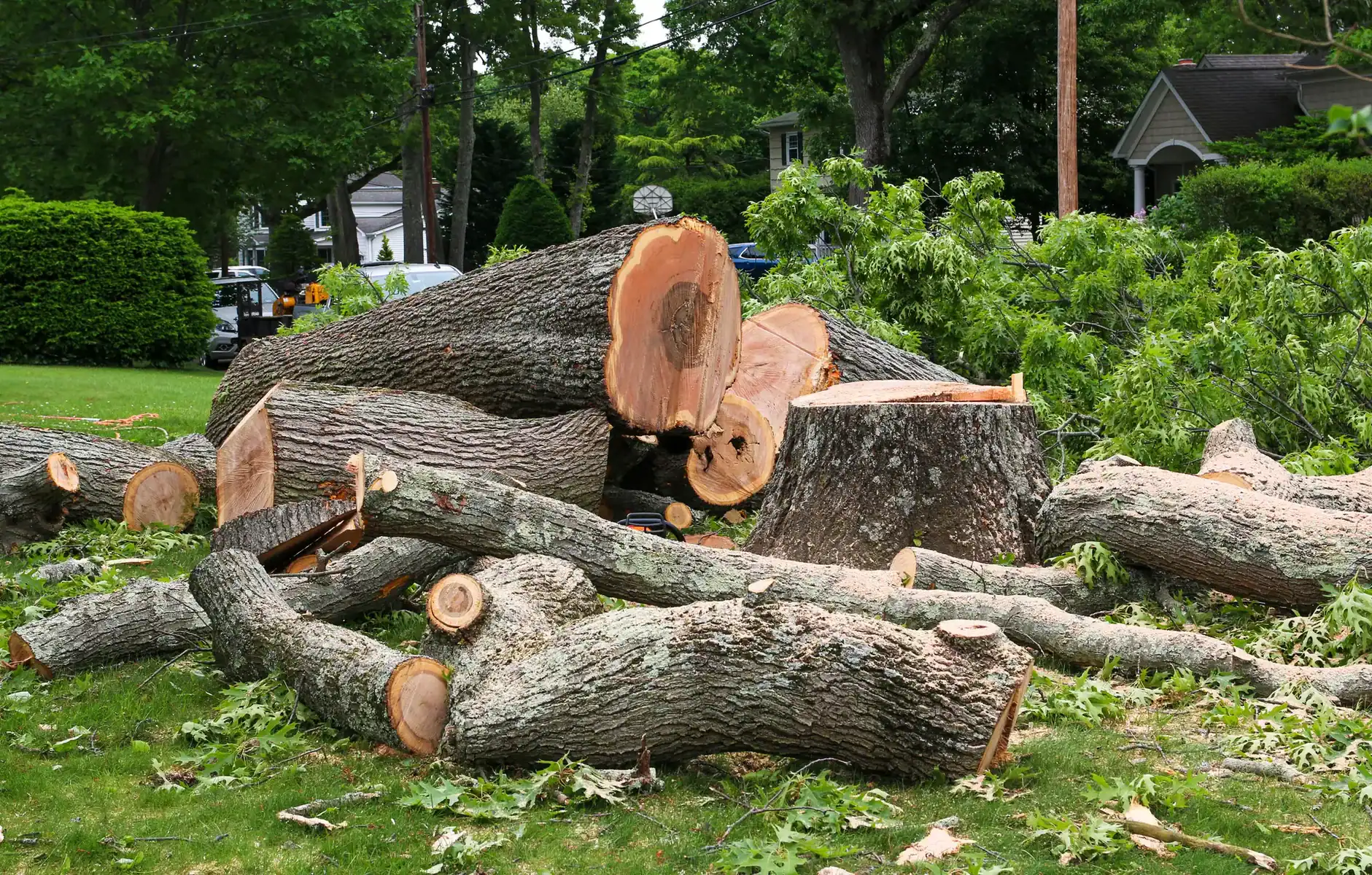
After the hazards are cleared and the primary removal is done, we handle debris. Logs, brush, and chips don’t get left in a pile at the edge of your driveway. If you want the stump ground down and the disturbed area seeded or mulched, we can handle that in the same visit or schedule it as a follow-up. A written estimate is provided before work beginsno surprises when the invoice arrives.
Ready to get started?
Fallen Tree Removal and Hazardous Limb Service
Storm damage work in Curran isn’t a one-size situation. Some calls come in the morning after a storma tree on the roof, a blocked road, a limb through a fence. Others come weeks later from seasonal property owners who drove up from downstate and found their cabin access completely blocked or a pine resting against the side of the structure. Both scenarios get the same full-scope response.
The core work we provide covers emergency tree clearing, fallen tree removal, and hazardous limb removalincluding the hanging material that’s easy to miss from the ground but dangerous to anyone working or walking beneath it. For properties along rural corridors off M-65 or M-72 through Mitchell Township, we plan equipment access before arrival. Long driveways, soft ground after a storm, and tight clearances around outbuildings are all part of the job, not surprises.
Beyond the removal itself, we offer stump grinding, debris hauling, topsoil installation, mulch spreading, and grass seeding. That matters in a community where properties are surrounded by mature forest and a scarred, stump-filled yard after a removal job is a real outcome you’re trying to avoid. Curran sits in unincorporated Mitchell Township, so there are no municipal tree removal permits required for standard storm damage work on private propertythe process moves fast when it needs to.
Does homeowners insurance cover storm damage tree removal in Alcona County, Michigan?
It depends on where the tree landed, not just that it fell. Most Michigan homeowners insurance policies will cover tree removal costs when a tree falls on an insured structureyour house, an attached garage, a fence, or sometimes a vehicleas a result of a covered weather event like wind, ice, or lightning. The coverage limit per tree is typically between $500 and $1,000, with some policies capping total storm-related tree removal at around $2,500 per incident.
Where it gets complicated is when a tree falls in the yard without hitting anything. In that case, most policies don’t cover removal at allyou’re paying out of pocket. After the March 2025 ice storm that hit Alcona County and prompted a state disaster declaration, a lot of property owners in the Curran area discovered this the hard way when they filed claims for yard-only falls and were denied.
The other thing worth knowing is that delaying removal after a storm can actually affect your claim. If an adjuster determines that a tree sitting on a structure caused additional damage because you waited too long to address it, the insurer may reduce what they pay out on the grounds that you didn’t take reasonable steps to prevent further harm. Acting quicklyand documenting the damage with photos before anything is touchedprotects both the property and the claim.
How soon after a storm should I have my trees inspected for hazardous damage?
As soon as it’s safe to go outside. The most dangerous outcome after a major storm isn’t always the tree that’s already on the groundit’s the one that looks fine from your window but has a partially failed limb suspended forty feet up, held in place by adjacent branches or a strip of bark. Those are called widow-makers, and they can drop without any warning, especially if another wind event or a rain load follows the initial storm.
In Alcona County’s forest environment, this is a real and recurring concern. The second-growth hardwood mix around Curranwhite birch, red maple, aspen, red oakresponds to ice loading by failing at the branch union rather than at the base, which means the trunk can look completely intact while the canopy has compromised sections ready to fall. After the March 2025 ice storm, the DNR reported that hundreds of miles of roads in northern Michigan remained impassable for weeks partly because of this type of delayed secondary failure.
A professional canopy assessment after any significant storm is the only way to know what’s actually up there. It’s not something you can evaluate reliably from the ground, and it’s not worth guessing on when people are walking under those trees.
What should I do immediately after a tree falls on my house or cabin in Curran?
First, don’t go near itespecially if the tree is in contact with or close to any overhead utility lines. In rural Alcona County, service drops and road lines run on wooden poles through forested areas, and a fallen tree can energize a line in ways that aren’t obvious from a distance. If you have any doubt about whether a line is involved, stay back and call the utility company before anyone approaches the tree.
Once you’ve confirmed there’s no immediate electrical hazard and the structure is safe to be in or around, document everything before anything is moved. Take photos and video of the tree, the point of impact, the surrounding area, and any visible structural damage. That documentation is what your insurance adjuster will use to evaluate the claim, and the more thorough it is before removal begins, the stronger your position.
Then call for emergency tree service. For a tree actively pressing on a roof or a structure, waiting for multiple quotes isn’t the right movethe longer that load sits on the structure, the more damage accumulates. A licensed, insured crew with a written estimate can get the tree off the structure and make the property safe without creating new problems in the process.
Can a tree service reach my rural property outside Curran for emergency work?
Yesand it’s one of the first things worth confirming when you call any tree service after a storm. Some companies list broad service areas on their websites but aren’t actually equipped or willing to make the drive to rural Alcona County, especially after a major storm when demand is high and roads may still be compromised.
We serve the Curran area and the broader Alcona County region, including properties on rural lots, hunting land, and recreational acreages that aren’t accessible from a paved road. Our crew is experienced with the access challenges that come with forested, rural propertieslong unpaved driveways, soft ground after heavy rain or snowmelt, and tight clearances around outbuildings or tree lines. That’s not unusual terrain for us.
If you’re a seasonal property owner who discovered storm damage after returning to your cabin or hunting property in the 48728 area, the same response applies. The damage may have been sitting for a few days or longer, which sometimes means the situation has shiftedlimbs have settled further, a leaning tree has movedand the assessment needs to account for that. Call, describe what you’re seeing, and we’ll give you a straight answer on timing and what the job involves.
How much does emergency tree removal typically cost after a storm in Northern Michigan?
Storm damage tree removal in Michigan generally ranges from around $200 to $2,000 depending on the size of the tree, where it landed, and how complex the removal is. The average for a single tree removal after storm damage runs around $750, though that number moves significantly based on whether the tree is on a structure, near utility lines, or in a location that requires specialized rigging to remove safely.
Emergency callsafter-hours, weekend, or during a high-demand surge following a major stormtypically carry a premium of 25 to 50 percent above standard scheduled rates. That’s an industry-wide reality, not something specific to any one company. The reason is straightforward: emergency response requires crew availability, equipment readiness, and mobilization at times when that isn’t cheap to maintain.
What customers consistently tell us is that our final price came in as the most competitive among multiple quotes they received. That holds true even for emergency work. The best way to protect yourself on pricing after any storm is to get a written estimate before work startswe provide that as a standard practice, so there are no surprise numbers when the job is done. If stump grinding, debris hauling, or site restoration is part of the scope, those are quoted up front as well.
Is it safe to wait a few days before dealing with storm-damaged trees on my property in Curran?
In most cases, noand the risk isn’t just to the property. A tree that’s already failed once under storm load is structurally compromised in ways that aren’t always visible. Root plates that have partially lifted, trunk cracks from ice load, and canopy sections that are hanging rather than fully fallen can all shift or drop with the next wind event, a rain load, or even just the natural settling of the debris over time.
For Curran-area properties specifically, this matters because the forest environment means most structures have multiple trees within fall distance. If one came down and others in the same stand took on similar ice or wind load, the safest assumption is that the risk didn’t stop with the tree that already fell. After the March 2025 ice storm in Alcona County, the DNR documented widespread secondary failures in the weeks following the initial stormtrees and limbs that looked stable after the storm came down later as conditions changed.
There’s also the insurance angle. If a tree is sitting on a structure and you wait several days before calling for removal, and additional damage occurs in that window, an adjuster may determine that the extra damage resulted from your delay rather than the original storm. That can reduce what the policy covers. Acting quickly, documenting the damage thoroughly, and getting a licensed crew on-site is the move that protects both the people on the property and the claim you’re filing.
Other Services we provide in Curran