
Tree Pruning in Lost Lake Woods
When Ice Loads Your Canopy, Weak Limbs Don't BendThey Break
Hear from Our Customers
Tree Trimming Services, Alcona County
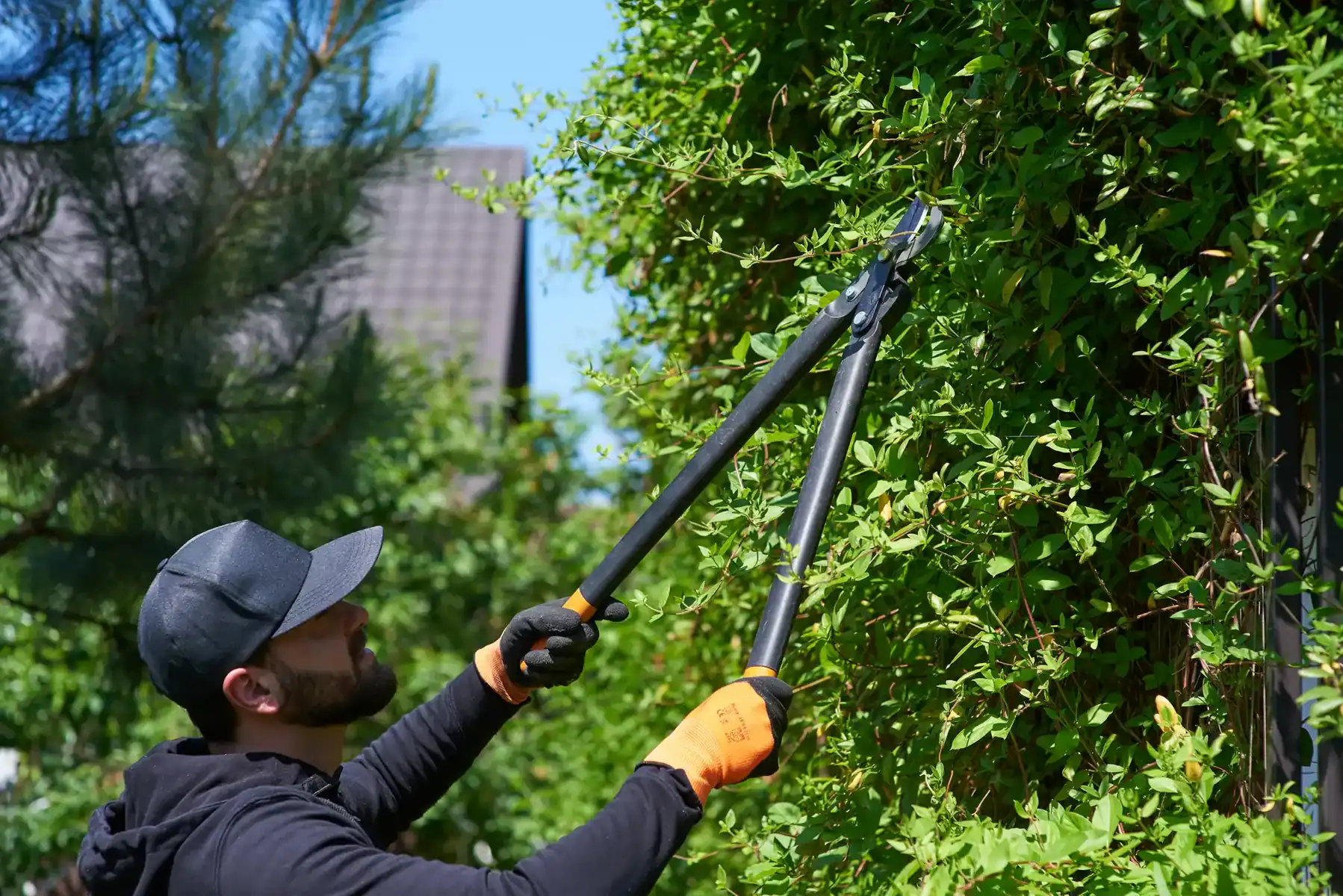
The most immediate thing you notice is clearance. Limbs that were hanging over your roofline, pressing against an outbuilding, or arching over a campsite area are goneand the trees they came from are healthier for it. That’s not a coincidence. Removing dead, crossing, or structurally weak branches lets the tree redirect its energy into growth that actually holds up under load.
For Lost Lake Woods members specifically, that matters more than it does in most places. Alcona County has been named in a Governor-declared ice storm disaster area, and the region has set snowfall records as recently as 202631.9 inches in a single storm, breaking a mark that had stood since 1929. When ice accumulates on a 70-year-old hardwood canopy over your cabin, the question isn’t whether something will fail. It’s whether you dealt with the weak limbs before the storm arrived or after.
Beyond storm risk, properly pruned trees just look right. The canopy breathes better, sunlight reaches the ground, and the structure of the tree is visible and balanced. If you’ve been on your Lost Lake Woods property for yearsor your family has been coming here for generationsyou already know what a healthy, well-maintained woodland tree looks like. That’s the standard we work to.
Professional Tree Pruning, Lost Lake Woods MI
Ivan’s Tree Services has been delivering professional tree care across Michigan for over seven years. Ivan handles every job in the fieldthe assessment, the cuts, the rigging for larger limbsand Cecilia manages scheduling and communication so you’re never left wondering what’s happening or when. That’s the whole team. No call center, no subcontractors you’ve never met.
For members of the Lost Lake Woods Club, that kind of accountability matters. You’re vouching for whoever you bring through that gate. We carry both general liability insurance and workers’ compensation coverage, and we back every job with a 30-day workmanship guaranteesomething you won’t find listed on most local operators’ websites, because most local operators don’t offer it.
We’ve worked on mature Michigan hardwoods throughout the state, and we understand what decades of freeze-thaw cycles, ice accumulation, and high-wind seasons do to tree structure. The trees on your Lost Lake Woods property didn’t grow overnight. We treat them accordingly.
Tree Canopy Thinning Process, Northern Michigan
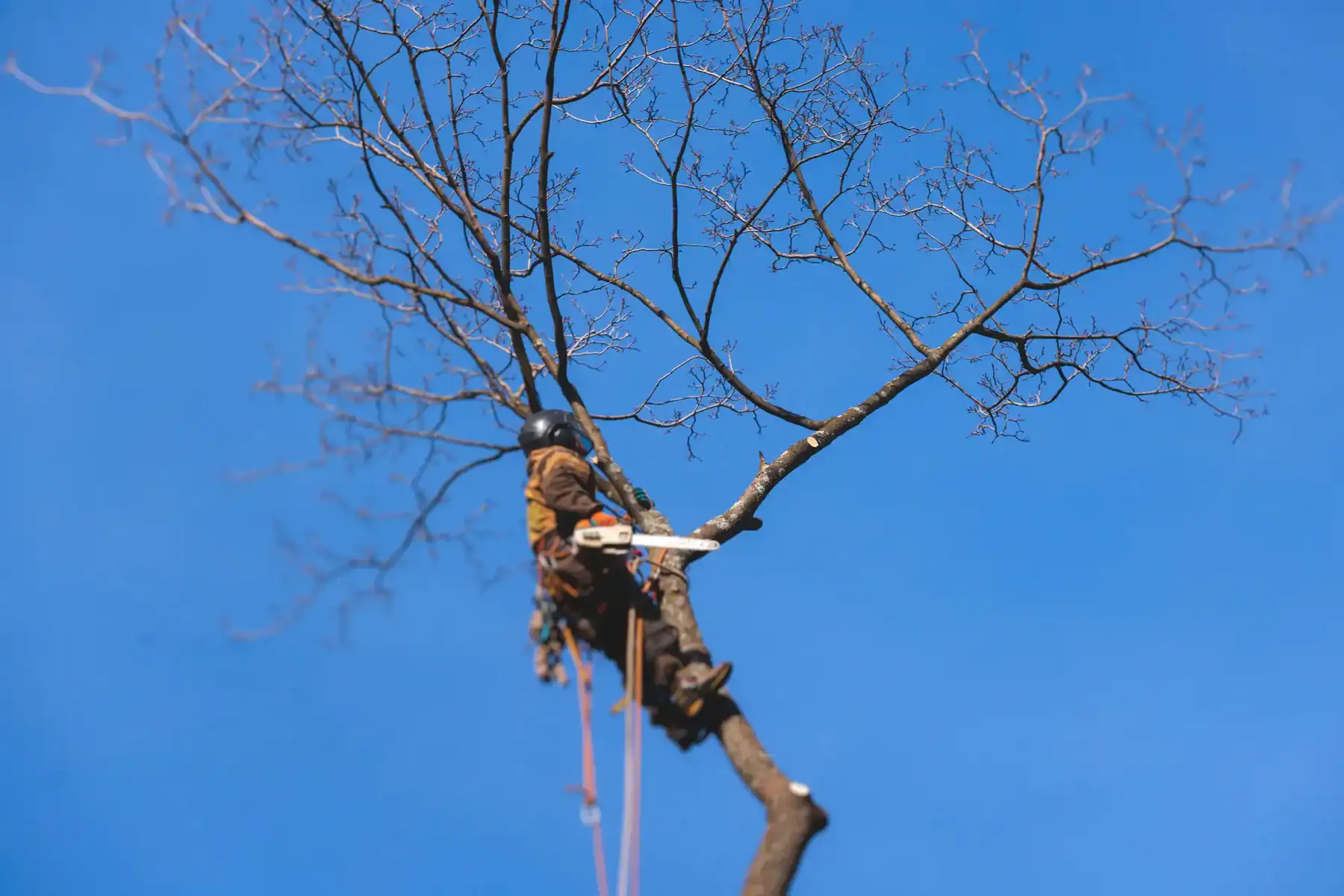
It starts with an in-person visit. Ivan comes to your property, walks the trees with you, and looks at what’s actually theredead wood, crossing branches, limbs with poor attachment angles, anything hanging over a structure or trail corridor. From that visit, you get a clear, written estimate before any work is scheduled. No phone quotes, no surprises when the invoice arrives.
Once you’re ready to move forward, we schedule the job around your availabilityand if you’re a seasonal member who isn’t always on-site, we can coordinate directly with you remotely. Cecilia handles that communication, so there’s always a real person on the other end of the line. For Lost Lake Woods members who spend part of the year away from their properties, that kind of reliable follow-through isn’t a nice-to-have. It’s the whole reason you’d call one company over another.
The work itself follows proper pruning technique throughout. We make cuts at the branch collarthe point where the tree can seal the wound naturallyand we don’t remove more than 25% of the canopy in a single session. That ceiling exists for a reason: pulling too much foliage at once stresses the tree and can trigger a survival response that weakens its long-term structure. When the job is done, the debris is gone. Chips, cut wood, brushall of it. We leave the property clean.
Ready to get started?
Crown Reduction Pruning, Lost Lake Woods MI
Not every tree needs the same work. Crown thinning removes select branches from throughout the canopy to improve light penetration and air circulation without changing the overall size or shape of the treeit’s one of the most common requests for the mature hardwoods growing throughout Lost Lake Woods Club’s woodland setting. Crown reduction pruning takes the canopy down in overall size while maintaining the tree’s natural form, which is often the right call when a tree has grown into a structure or outgrown its space near a cabin or outbuilding.
Dead branch removal is straightforward but often the most urgent need after a hard Alcona County winter. Branches that were killed by ice accumulation or cold damage don’t always fall on their own schedulethey hang, weaken further, and eventually come down at the worst possible time. Getting them out before that happens is basic risk management for anyone with a structure underneath the canopy.
For properties within the Lost Lake Woods Club’s groundswhether that’s a member cabin lot, an area near the campground, or a tree line along one of the internal roadsthe work is the same: assess what’s there, remove what needs to go, make every cut correctly, and leave the site clean. Lost Lake Woods is an unincorporated community within Alcona Township, so there are no municipal permits required for standard private property pruning work. What matters is that the job gets done right by someone who carries the insurance and has the experience to back it up.
When is the best time to prune trees on my Lost Lake Woods property?
For most of the deciduous hardwoods growing throughout Lost Lake Woodsmaples, oaks, birchthe ideal pruning window is during dormancy, which runs roughly from late October through early March in northern Michigan. During dormancy, the tree isn’t actively pushing energy into its leaves, wounds seal faster, and insects and fungal pathogens that exploit fresh cuts are far less active. That last point is especially important for oaks in this region. Michigan has documented oak wilt pressure in the Lower Peninsula, and the disease spreads most aggressively during the active sap flow period from April through July. Pruning oaks outside that windowduring dormancyis the standard practice for anyone who knows what they’re doing.
That said, dead branch removal and post-storm work don’t wait for the calendar. If a limb failed during an Alcona County ice event and it’s hanging over your cabin roof in June, that gets addressed now. Timing guidance applies to elective, scheduled pruningnot to hazard situations.
How do I know if a tree on my Lost Lake Woods property actually needs pruning right now?
A few things to look for: dead or hanging branches that move independently from the rest of the canopy in wind, branches with narrow V-shaped attachments rather than wide U-shaped crotches (the V-shaped ones are the ones that fail under ice load), limbs growing directly toward or over a structure, and any sign of decay or discoloration at a branch union. If you’ve had a hard winterand Alcona County winters qualifya spring walkthrough of your property is worth doing before you assume everything is fine.
For seasonal members who return to their Lost Lake Woods cabins in April or May, this is exactly the right time to take stock. Trees that looked fine when you closed up in October may have taken on ice damage or wind stress over the winter. You don’t always see it from the ground, but an experienced eye can spot structural issues, hang-ups caught in the canopy, and branches that are one good storm away from coming down. If you’re not sure, a no-obligation estimate visit costs you nothing and gives you a clear picture of what’s actually there.
What is the difference between tree trimming and tree pruning?
Trimming is primarily about appearanceshaping a tree so it looks the way you want it to look. Pruning is about the health and structure of the tree. When we prune, we’re looking at which branches are dead, diseased, crossing and rubbing against each other, or growing in a direction that creates a structural liability. The goal is to remove what’s hurting the tree or creating a hazard, not just to make it look neat.
In practice, a well-executed pruning job usually improves appearance toobut that’s a byproduct of doing the structural work correctly, not the primary objective. For the mature hardwoods growing throughout Lost Lake Woods Club’s woodland, the structural side of the equation matters most. These aren’t young ornamentals you’re shaping for curb appeal. They’re established trees with decades of growth, and the cuts you make now affect how they handle the next ice storm, the next high-wind event, and the next ten years of growth.
Is tree topping a safe way to reduce the size of a large tree over my cabin?
No. Topping removes the main structural branches of a tree and leaves behind large, blunt wounds that the tree cannot seal properly. What grows back from those wounds are fast-growing, weakly attached shoots called epicormic growthand those shoots are far more likely to fail in a future storm than the branches that were removed in the first place. Topping doesn’t make a tree safer. It makes it more dangerous over time, while also accelerating decay and reducing the tree’s lifespan significantly.
If a tree over your Lost Lake Woods cabin has grown too large for its space, crown reduction pruning is the correct approach. Done properly, it reduces the overall size of the canopy while maintaining the tree’s natural structure and leaving cuts at points where the tree can heal. The result is a smaller tree that’s still structurally soundnot a damaged one that’s now a bigger liability than it was before.
Can you prune trees on my property if I'm not there to let you in?
Yes, and this comes up often with seasonal members of the Lost Lake Woods Club. Many members aren’t on-site year-round, and coordinating tree work around visits can be difficult. The way it works is straightforward: Ivan does the initial property visit and estimate while you’re present or during a scheduled access window, you review and approve the written estimate, and then we schedule the work for a time that works for youeven if that means you’re not physically there when the crew arrives.
Cecilia manages all scheduling and communication, so you’ll know exactly when the work is happening and what to expect. After the job is complete, you’ll get confirmation that it’s done and the property has been cleaned up. For members who spend part of the year away from their Lost Lake Woods property and want someone they can trust to handle things in their absence, that kind of reliable communication is what makes the difference between a company you call once and one you call every season.
How much does professional tree pruning typically cost in northern Michigan?
Pricing for residential tree pruning varies based on a few key factors: the size of the tree, how many trees are being pruned, how close they are to structures or power lines, what type of pruning is needed, and whether debris removal is included. Nationally, most homeowners spend somewhere between $250 and $900 for a typical pruning job, with a national average around $475. Larger trees, more complex rigging situations, or multiple trees on the same visit will move that number higher.
What affects pricing specifically in the Lost Lake Woods area is the nature of the trees themselves. The mature second-growth hardwoods on Club properties are not small ornamentalsmany of these trees have been growing since the 1940s and 1950s, which means larger canopies, heavier limb loads, and more complex rigging when a branch needs to come down near a cabin structure. The honest answer is that a phone quote isn’t going to give you an accurate number. Ivan visits the property in person, looks at the actual trees, and gives you a written estimate with no obligation to move forward. That’s the only way to quote this kind of work accurately, and it’s how every job with Ivan’s Tree Services starts.
Other Services we provide in Lost Lake Woods