
Tree Pruning in Kurtz, MI
When 80-Year-Old Oaks Start Leaning Toward Your Roof
Hear from Our Customers
Professional Tree Pruning, Alcona County
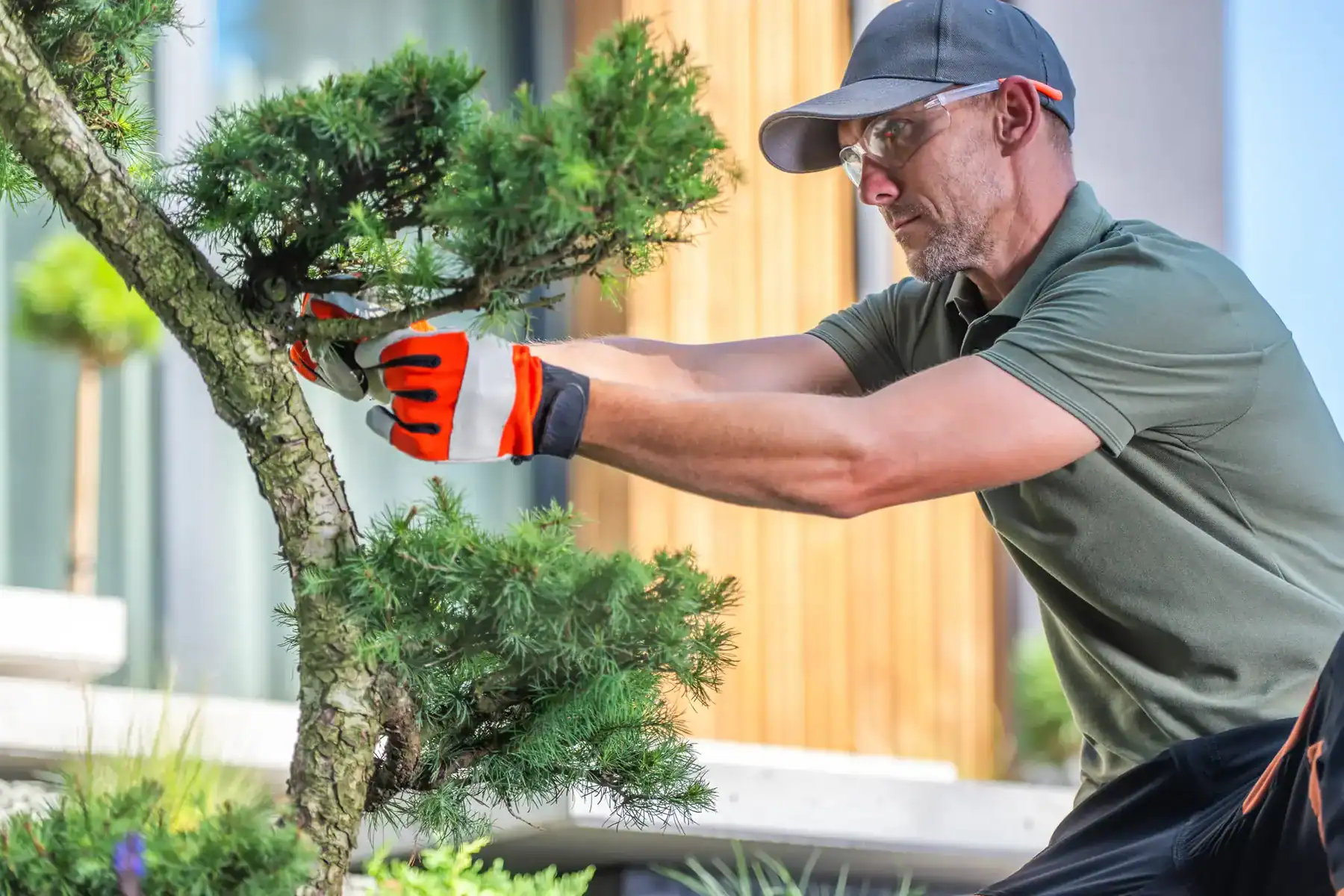
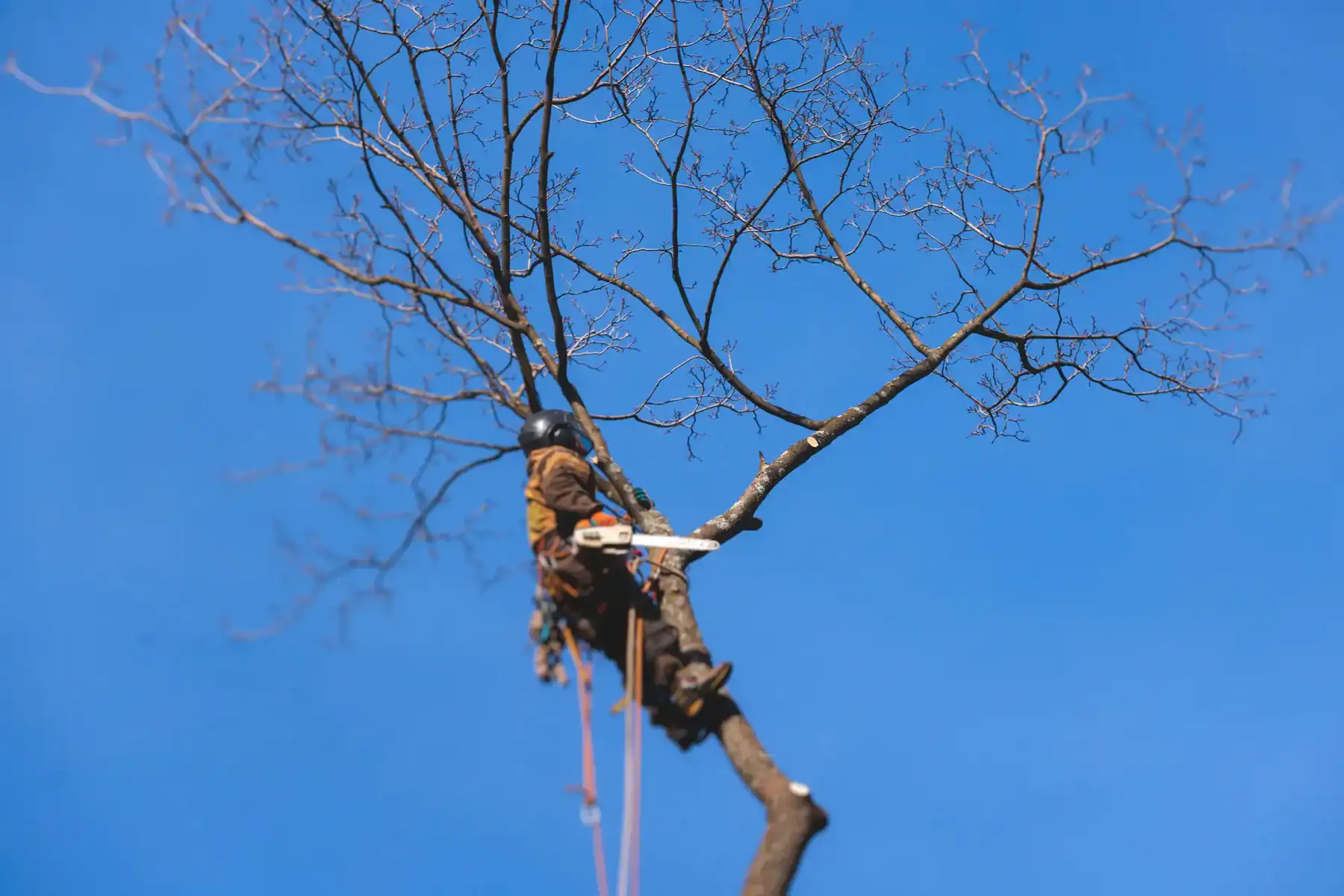
When a large maple or oak gets properly pruned, the difference isn’t just visual. The crown is lighter, which means less surface area catching ice during the next freezing rain eventand Alcona County has had its share of those. The branches that were inching toward your roofline or outbuilding are gone, and the ones that remain are structurally sound.
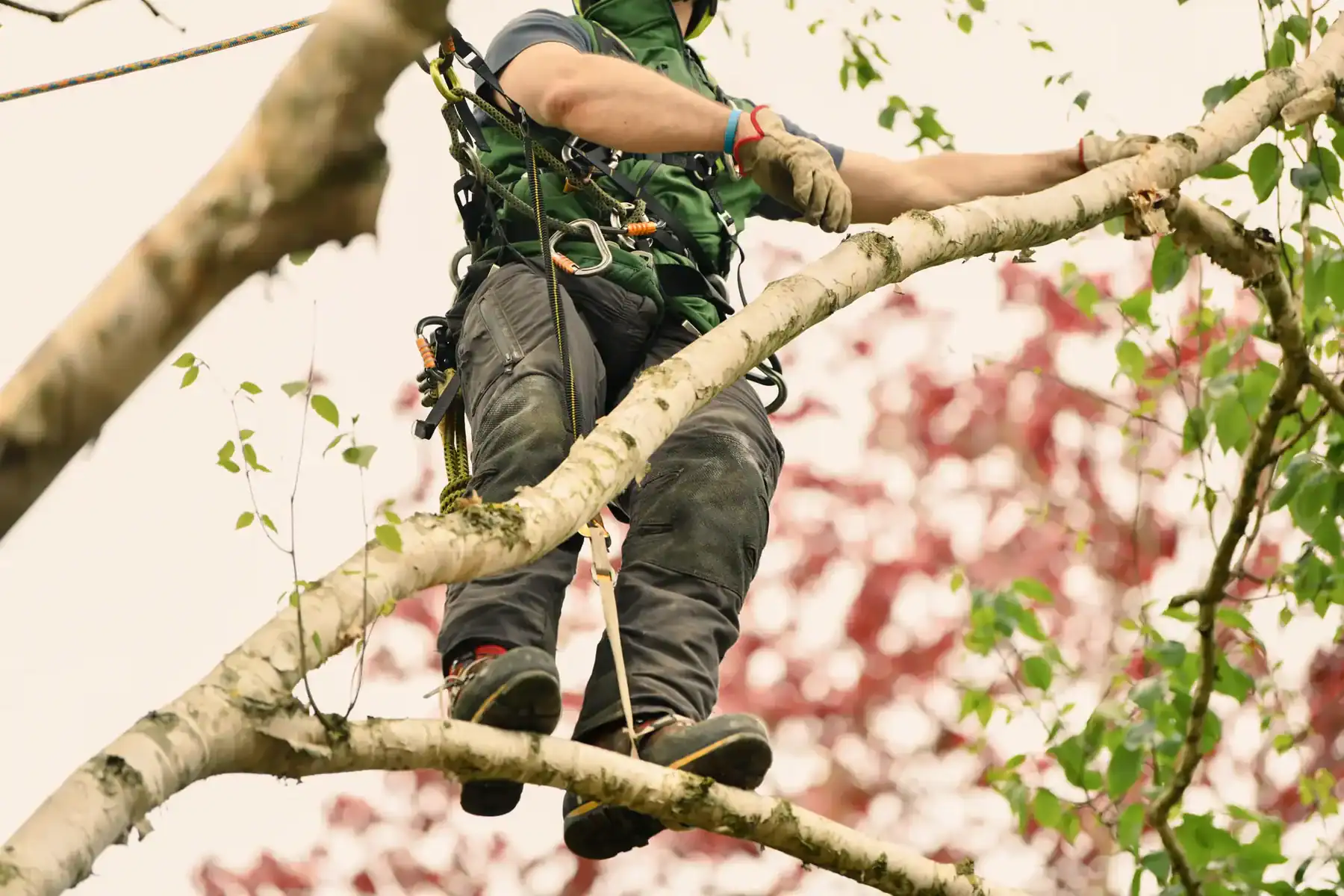
For properties along the M-65 corridor and out toward the Glennie area, most of the trees we’re talking about aren’t ornamental plantings someone put in decades ago. They’re second-growth hardwoodsred oak, sugar maple, silver maple, white birchthat came up after the logging era and have been growing for 80 to 120 years. Trees that age develop real structural issues: dead tops, co-dominant stems with included bark, crown dieback. Pruning that addresses those issues isn’t cosmetic maintenance. It’s how you keep a mature tree standing safely instead of letting it decide when and where it comes down.
Cleanup is always included. When we’re done, your yard looks like we were never thereexcept the hazard is gone.
Tree Trimming Services, Kurtz, Michigan
Ivan’s Tree Services is a family-owned operation out of MichiganI run every job in the field personally, and Cecilia handles scheduling and communication. There’s no call center, no crew you’ve never met showing up unannounced. When you reach out, you’re talking to the people who are actually responsible for the work.
We’ve been doing this for over seven years across Michigan, and the trees in the Alcona County interior are not the same as what you find in a suburban backyard. Out here near Curtis Township and Mikado Township, you’re dealing with mature forest trees on rural parcelssome of them seasonal properties that haven’t had eyes on them since last fall. We understand what that looks like and what it actually takes to manage it safely.
We carry general liability insurance and workers’ compensation coverage, and every job comes with a 30-day workmanship guarantee. If something isn’t right after we leave, we make it right. That’s not a talking pointit’s written into our terms.
Crown Reduction Pruning Process, Kurtz, MI
It starts with a property visit. I come out, walk the trees with you, and look at what’s actually going onnot just what’s visible from the driveway. For properties in the Kurtz area, that usually means assessing mature hardwoods in a forest-edge setting, which requires a different eye than trimming ornamental trees in a landscaped yard. Dead tops, split crotches, branches loading up over a structurethese things matter, and we’ll tell you plainly what we see.
From there, you get a written estimate before anything happens. No vague ballpark, no pressure to decide on the spot. Once you’re ready to move forward, we schedule the work and show up when we said we would. The pruning itself follows proper techniquecuts made at the branch collar to protect the tree’s natural healing response, never removing more than 25% of the canopy in a single session, and no topping under any circumstances.
Topping a tree doesn’t make it safer. It creates weak regrowth, structural instability, and decay entry points that make the next storm more dangerous, not less.
One thing worth knowing if you have oaks on your property: we follow Michigan’s seasonal pruning guidelines for oak trees. Pruning oaks between April and July puts them at serious risk for oak wilt, a fungal disease that spreads through sap-feeding beetles and can kill a tree within a year. We schedule oak work outside that windowAugust through Marchand we’ll explain the timing to you before we start.
Ready to get started?
Tree Canopy Thinning and Trimming, Alcona County
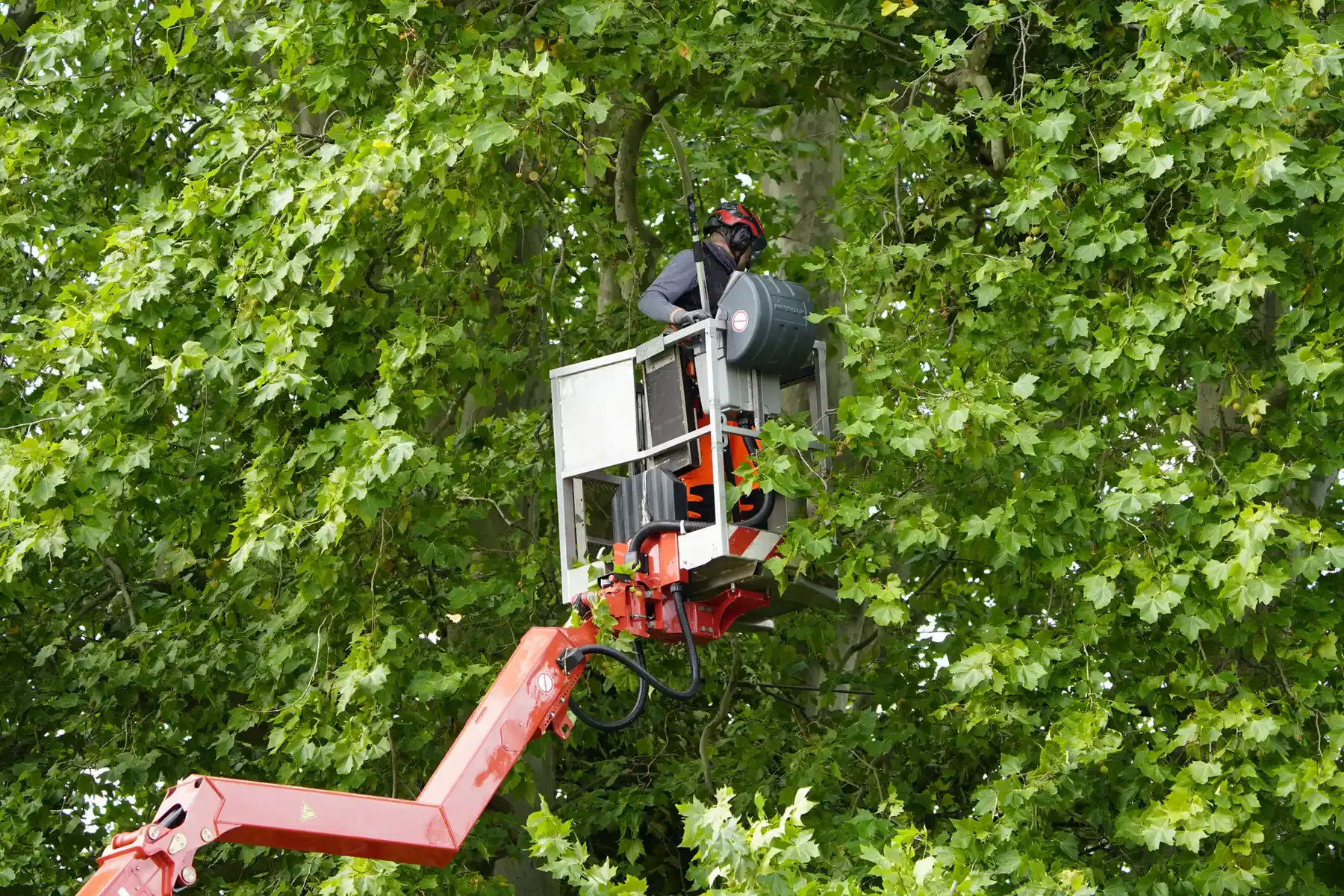
Tree pruning covers a range of work depending on what the tree needs. Crown thinning removes select branches throughout the canopy to improve airflow and light penetration without changing the overall shapeit also reduces the weight loading that causes limbs to fail under heavy snow or ice. Crown reduction brings down the overall size of the canopy, which is particularly useful for large maples or oaks that have grown over a structure or are pushing against a roofline. Dead branch removal is exactly what it sounds like: clearing out what’s already gone so it doesn’t come down on its own terms.
For properties in the Kurtz areawhether you’re on the Curtis Township side near Glennie or further east into Mikado Townshipthe most common issue we see is forest-edge encroachment. Trees that were 30 feet from the house when it was built are now 10 feet away and 60 feet tall. That’s not a landscaping problem. It’s a structural safety issue, and the right pruning approach depends on the species, the age of the tree, and how close it is to what you’re protecting.
Seasonal properties and hunting camps in the Alcona County interior are a specific situation we handle regularly. If you’re not on-site through the winter, we can do a spring assessment after the ice and snow season to identify what accumulated damage needs attention before a manageable pruning job turns into an emergency removal. Every job includes full debris cleanupall brush, limbs, and wood chips are cleared from your property before we leave.
When is the best time to prune trees on my Kurtz property?
For most deciduous treesmaples, birch, aspenthe safest pruning window is during dormancy, which runs roughly November through March in northeast Michigan. The tree is under less stress, wounds heal more efficiently once growth resumes in spring, and pest activity is minimal. Dead or hazardous branches can be removed any time of year when safety is the concern.
The exception that matters most in the Kurtz area is oak trees. Michigan has a documented oak wilt problem, and the risk is highest between April and July when the sap-feeding beetles that spread the fungal disease are most active. A fresh pruning wound during that window is an open invitation. We follow the recommended Michigan protocol and schedule oak pruning between August and March. If you’re not sure what species you have or when your trees were last pruned, that’s exactly the kind of thing we assess during the initial property visit before any work is quoted or scheduled.
How do I know if my tree actually needs pruning or just looks overgrown?
Looking overgrown and needing pruning are two different things, and it’s worth understanding the difference before spending money. A tree that’s just full and leafy may be perfectly healthy. What actually warrants professional pruning is structuraldead limbs, branches with weak attachment points, co-dominant stems where two trunks compete for the same space and create a splitting risk, or a crown that’s grown heavy enough to pose a real hazard to a structure nearby.
In the Kurtz area, where most residential properties sit within or directly adjacent to mature second-growth forest, the trees we’re typically evaluating are 80 to 120 years old. At that age, structural issues are common and not always obvious from the ground. A dead top can look like a living branch until a wind event proves otherwise. Crown dieback, included bark at a major stem junction, and cavities near the base are all things that require a trained eye to assess properly. If you’re not sure, a property visit is the right first step. We’ll tell you what we see, what it means, and whether pruning is the right move.
What's the difference between tree trimming and tree pruning, and does it matter?
It does matter, mostly because the two terms describe different goals. Trimming is primarily about appearanceshaping a tree so it looks a certain way, clearing branches that are getting too close to a structure for aesthetic reasons, or keeping a canopy from looking wild. Pruning is health- and structure-focused. It targets dead, diseased, or structurally compromised branches, addresses crossing limbs that are damaging each other, and removes wood that poses a safety risk. The cuts are made with the tree’s biology in mindspecifically at the branch collar, which is the slightly raised area where a branch meets the trunk, because that’s where the tree’s natural healing response originates.
For most properties in the Kurtz and Glennie area, what people actually need is pruning, not trimmingeven if they use the words interchangeably. The trees here aren’t ornamental. They’re large, old forest hardwoods, and the work that matters is the structural work: reducing crown weight before ice season, removing dead wood before it falls, and addressing the branches that are genuinely threatening something.
Can bad pruning actually kill or damage a healthy tree?
Yes, and it happens more often than most homeowners realize. The most damaging practice is toppingcutting the main trunk or major limbs back to stubs. It’s sometimes sold as a way to reduce a tree’s height or make it safer, but it does the opposite. Topping removes the majority of a tree’s leaf-bearing wood at once, which triggers a stress response. The tree pushes out multiple weak shoots from the cut pointsshoots that grow fast but attach poorly and are far more likely to fail in a storm than the original branch structure was.
It also creates large open wounds that invite decay, fungal infection, and insect damage. Other common mistakes include flush cuts that remove the branch collar, leaving stubs that never heal properly, and lion-tailingstripping out too many interior branches so the canopy becomes a sparse cluster of growth at the tips. These aren’t just aesthetic problems. They compromise the tree’s structural integrity and long-term health. If you’ve had tree work done before and weren’t sure whether it was done correctly, we can assess that during a property visit.
Do I need a permit to have trees pruned on my property in Kurtz, MI?
For routine tree pruning on private residential property in the Kurtz area, there is no permit required. Kurtz falls under Curtis Township and Mikado Township jurisdictionneither of which has a tree permit ordinance for standard maintenance work on privately owned trees. Michigan state law similarly does not require a permit for pruning on your own property.
There are a couple of situations worth being aware of, though. If your property borders state forest landwhich is not uncommon in the Alcona County interioryou’ll want to confirm your property lines before authorizing any work near that boundary, since DNR regulations govern what happens on their side. And if you have trees growing near overhead utility lines, any work in that zone may require coordination with Presque Isle Electric & Gas Co-op, which serves the nine-county northeast Michigan region including Alcona County. We’ll flag anything like that during the initial assessment so you’re not caught off guard.
My hunting camp near Kurtz sits empty most of the yearhow do I manage the trees when I'm not there?
This is one of the more practical questions we get from Alcona County property owners, and it has a straightforward answer. The biggest risk with a seasonal property isn’t the trees you can see when you’re thereit’s the damage that accumulates while you’re gone. Ice storms, heavy snow loads, and freeze-thaw cycling through a northeast Michigan winter can split crotches, snap leaders, and leave large limbs hanging that weren’t a problem when you locked up in November. By the time you’re back in spring, what was a $300 pruning job six months ago may have become a full removal situationor worse, a limb through the roof of the camp.
The most practical approach for seasonal properties in the Kurtz area is a spring assessment after ice-out. We come out, walk the property, and identify what the winter left behinddead wood, storm damage, structural concerns that need attention before they get worse. You get a clear picture of what’s going on and a written estimate before any work is authorized. It’s not a subscription or a recurring contractit’s just a smart way to stay ahead of the trees instead of reacting to them.
Other Services we provide in Kurtz