
Tree Pruning in Black River, MI
When Ice Storms Hit Black River, Unpruned Trees Fail First
Hear from Our Customers
Professional Tree Pruning, Alcona County
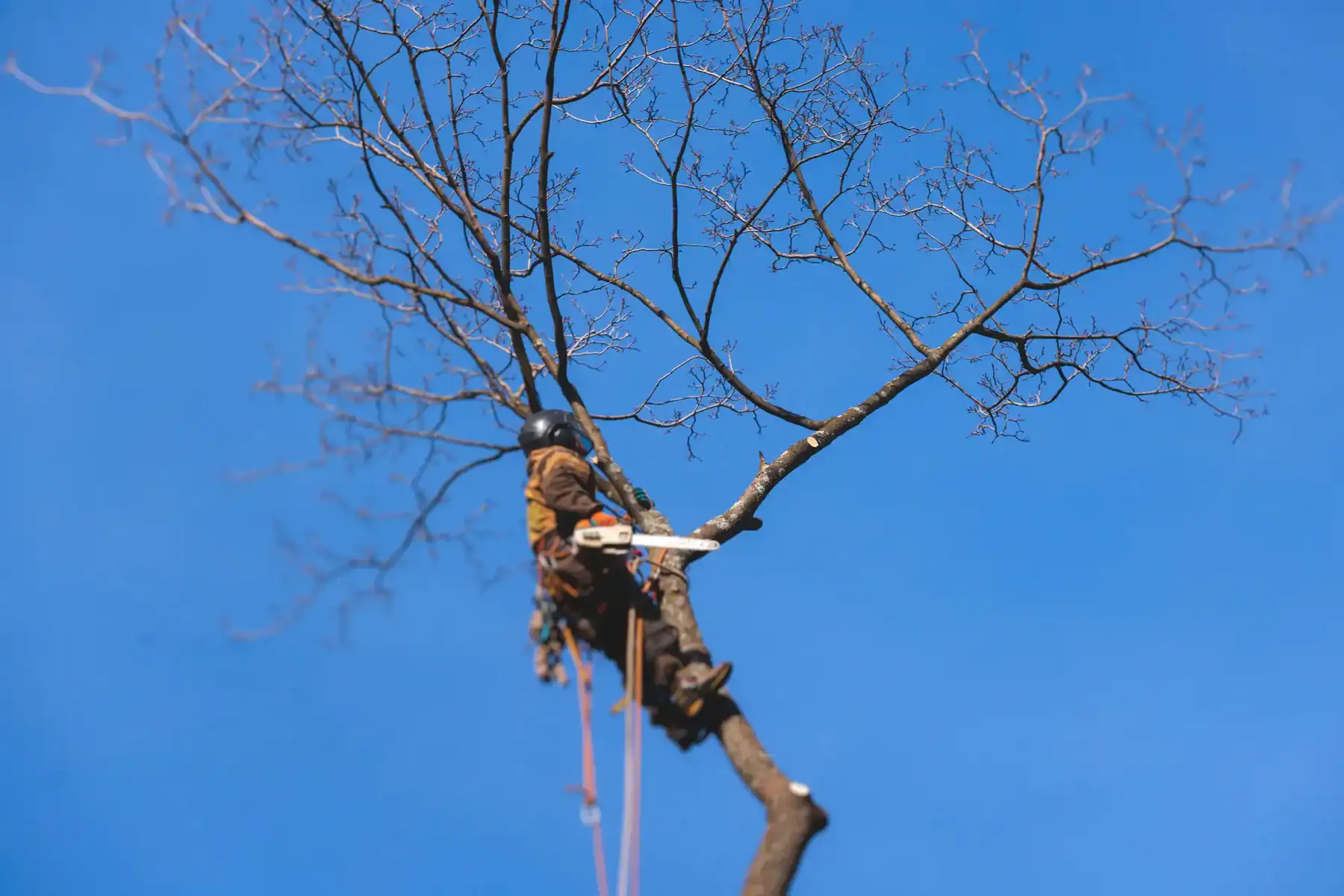
Alcona County has been named in multiple state-level ice storm disaster declarations. When storms roll through and deposit an inch or more of ice on your canopy, the trees that fail first are the ones carrying dead wood, weak branch structure, and excess weight that was never addressed. Proper pruning removes that risk before a storm makes the decision for you.
For seasonal property owners along the Black River shoreline, the stakes are even higher. You’re not here every week watching your trees. You’re arriving in spring or early summersometimes to find a winter’s worth of damage you had no idea was building. A professionally pruned tree handles that ice loading and high wind off Lake Huron far better than one that’s been left alone for years.
Beyond storm readiness, maintained trees just look and function better. Crown thinning opens up lake views that overgrown canopy has been slowly swallowing. Structural pruning keeps large, mature trees healthy for decades instead of declining into removal candidates. When the work is done right, your Black River property is cleaner and more usablenot just safer.
Tree Pruning Services, Black River, Michigan
Ivan’s Tree Services LLC is a family-owned operation based in Michigan, built around a straightforward idea: do the work right, leave the property clean, and be honest about what actually needs doing. Ivan handles every job in the field. Cecilia manages scheduling and communication. When you reach out, you’re talking to the people who are accountable for the outcomenot a dispatcher routing your call to whoever’s available.
That matters especially for Black River property owners who aren’t always on-site. Whether you’re managing a seasonal cottage near Negwegon State Park or a year-round home along the Lake Huron shoreline, you need to trust that the crew showing up will treat your property the way you would. Over seven years serving Michigan homeowners, that’s what we’ve built our reputation onand the reviews across Angi, HomeAdvisor, and Yelp reflect it.
Every job comes with a 30-day workmanship guarantee. The estimate is written, honest, and obligation-free. When the work is finished, the debris is gone.
Tree Canopy Thinning Process, Black River, MI
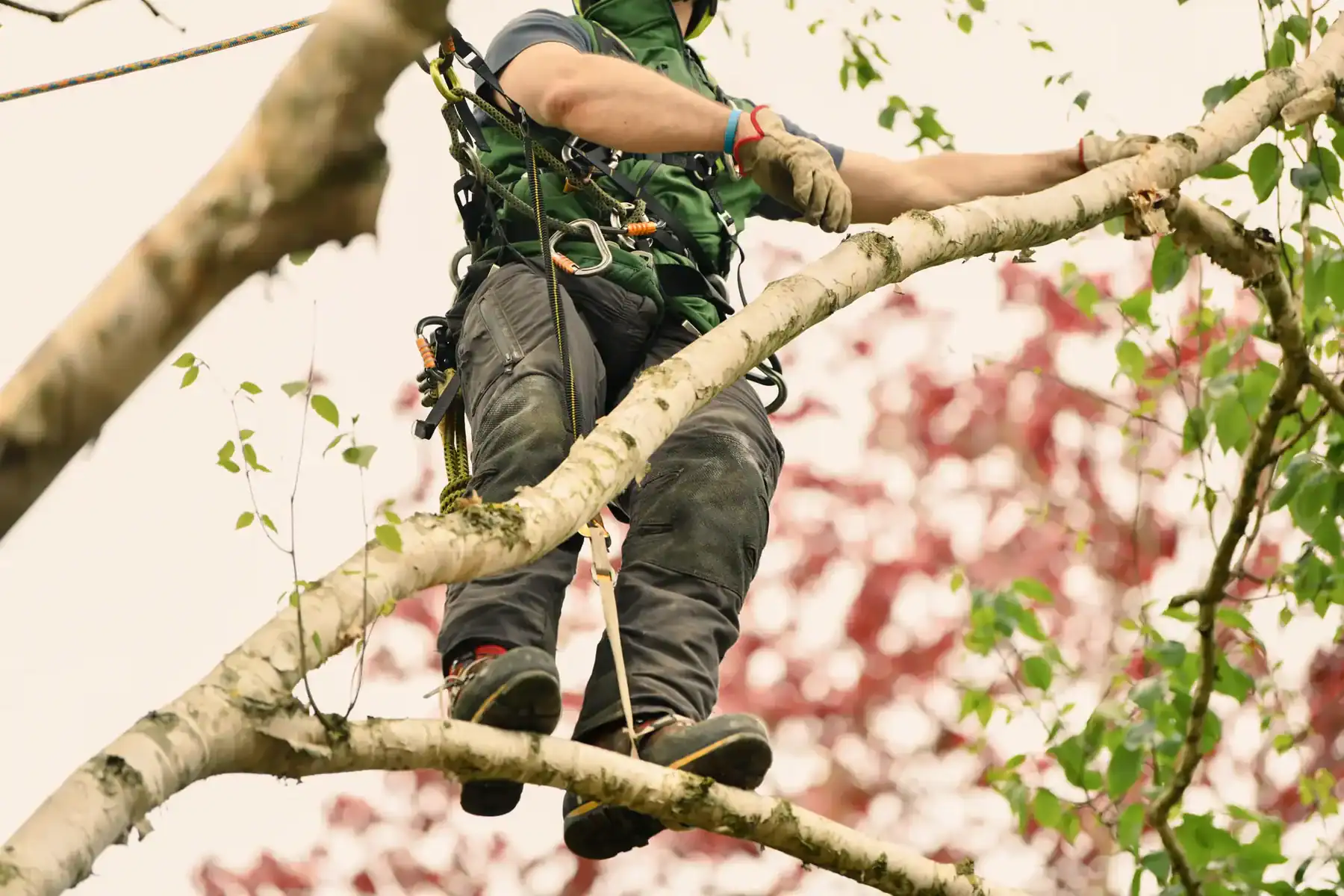
It starts with an in-person visit to your property. Ivan walks the site, looks at every tree you’re concerned about, and assesses what’s actually going ondead wood, structural weaknesses, canopy density, proximity to the structure or shoreline. You get a clear, written estimate before anything is scheduled. No vague ballpark over the phone, no surprises when the invoice arrives.
For Black River properties, timing matters more than most people realize. The best window for pruning most deciduous trees is during dormancyroughly November through Marchwhen wounds heal faster and pest activity is low. If you’re arriving at your seasonal property in spring and discovering ice storm damage or limbs that came through the winter looking rough, we address that too.
One important note for properties with oaks: we avoid pruning oaks between April and July when bark beetles are most active, because that’s when oak wilt spreads. If you have oaks on your property and you’re not sure about timing, just askwe’ll tell you straight.
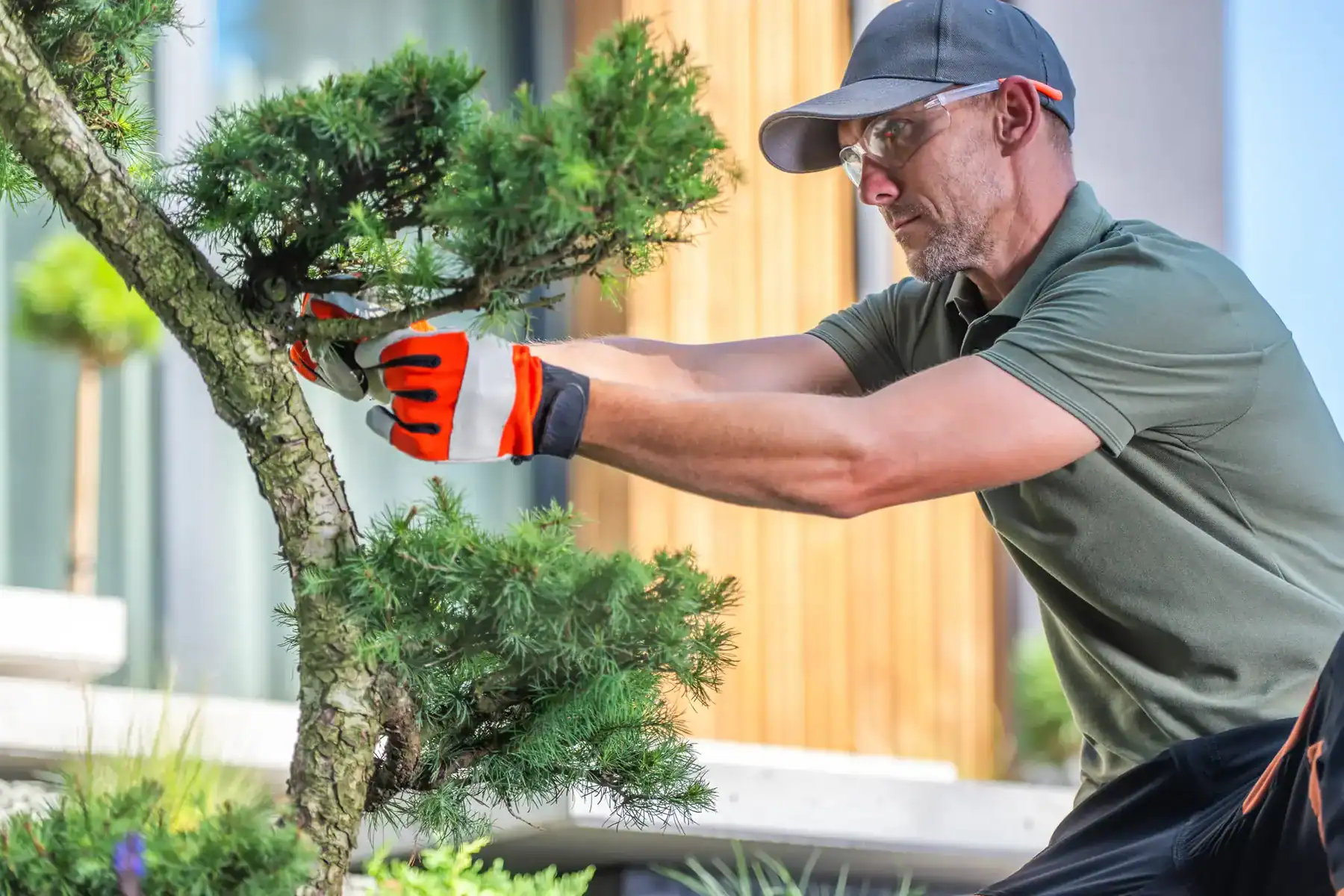
Once the work begins, we focus on the right cuts: removing dead, diseased, and structurally weak branches while respecting the tree’s natural healing process. We follow the standard that no more than 25% of a tree’s foliage comes off in a single sessionbecause over-pruning stresses the tree and creates more problems than it solves. When the job is done, all debris is hauled away.
Ready to get started?
Crown Reduction Pruning, Alcona County, MI
Tree pruning isn’t one-size-fits-all, and the needs of a lakeshore property in Black River are different from a suburban backyard elsewhere. Lakeshore and rivermouth trees near the Black River delta are under consistent wind stress from Lake Huronthat accelerates structural weaknesses that inland trees develop more slowly. Crown reduction pruning addresses trees that have grown too large for their position, reducing end-weight on extended lateral branches and bringing the canopy back to a manageable, storm-resistant size without removing the tree entirely.
Crown thinning is the right call when a tree is healthy but its canopy has gotten dense enough to block light, restrict airflow, or create a sail effect in high winds. For Black River properties where lake views are part of the value, canopy thinning can open sightlines that have been gradually disappearing for years. Dead branch removal is often the most urgent need after a northern Michigan winterparticularly for seasonal properties that went unmonitored through the ice storm season.
All services include a full cleanup. Every cut follows proper techniquebranch collar cuts, no topping, no lion-tailing, no shortcuts that leave the tree worse off than before. Black River is unincorporated within Alcona Township, so there’s no municipal tree permit required for private residential pruning work. If your trees are near the US-23 right-of-way, that’s a separate conversationbut for the vast majority of residential and seasonal properties in the area, you can schedule and start without any permit process.
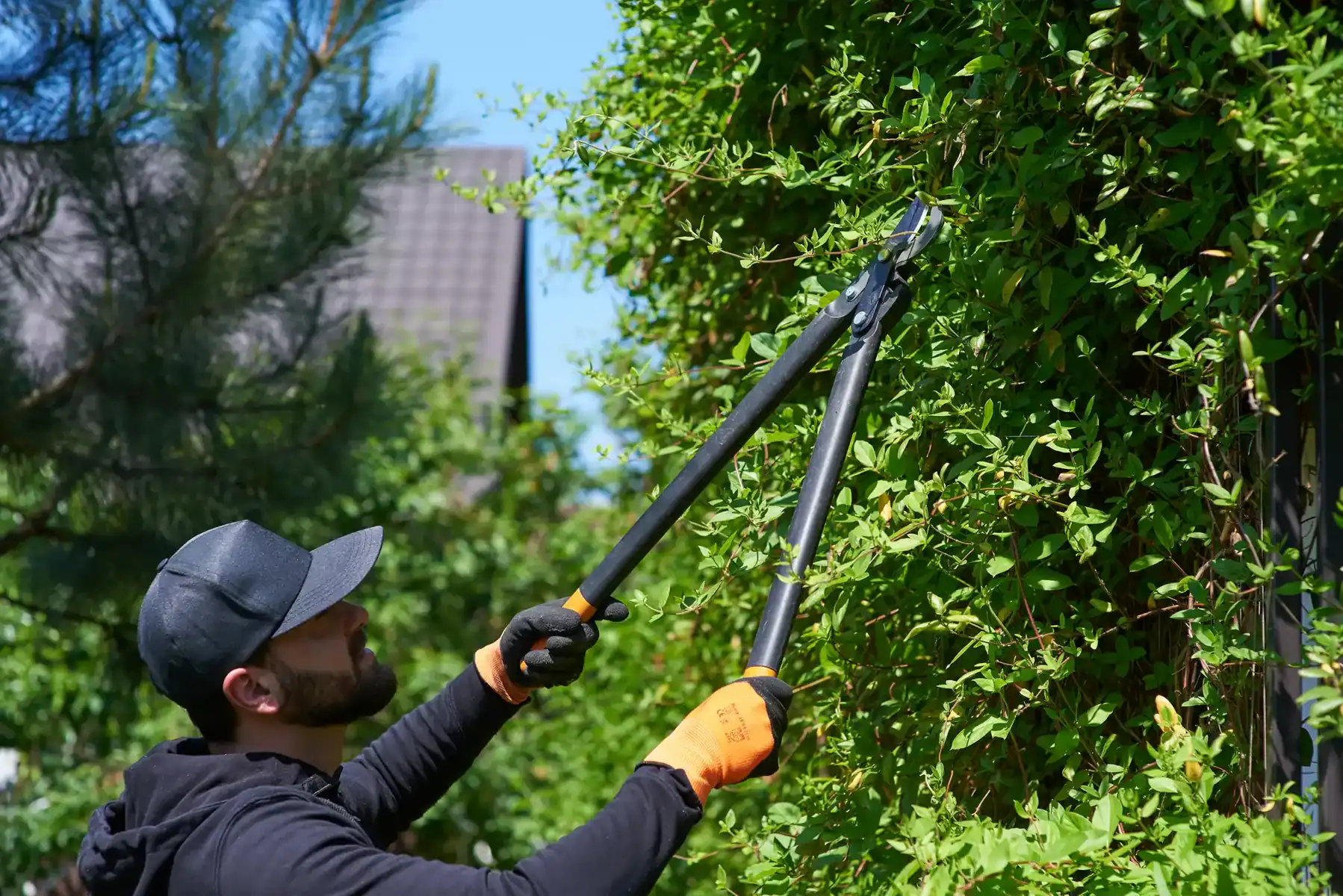
What's the best time of year to prune trees at a Black River property?
For most deciduous trees in northern Michigan, dormant-season pruningroughly November through Marchis the safest and most effective window. During dormancy, the tree isn’t actively growing, which means wounds close faster and there’s less risk of attracting the insects and pathogens that exploit fresh cuts during warmer months. For Black River property owners who close up their cottages for winter, scheduling pruning in late fall before you leave or in early spring when you return both work well within that window.
The one significant exception is oak trees. In Michigan, oaks should not be pruned between April and July because that’s when the beetles that spread oak wilt are most active. A fresh pruning cut during that window is essentially an open invitation. If you have oaks on your property and you’re unsure whether it’s safe to prune, hold off and get a professional assessment firstit’s not worth the risk of losing a mature oak to a disease that spreads quickly and has no cure.
How do I know if my tree actually needs pruning or if it can wait?
There are a few things that shouldn’t wait: dead or hanging limbs, branches that are rubbing against your roof or structure, co-dominant stems with included bark, and any tree that took visible damage during a storm. These aren’t aesthetic concernsthey’re structural risks. A dead limb over a deck or dock doesn’t announce when it’s going to fall.
Beyond the obvious hazards, trees that haven’t been professionally assessed in several years are worth having looked at, especially in Alcona County where the ice storm history is well-documented. Trees that have been carrying deferred maintenance through multiple northern Michigan winters may have developed weaknesses that aren’t visible from the ground. An in-person assessment is the only way to know for certain what’s going onand we provide that at no obligation before any work is scheduled.
Can bad pruning actually damage or kill a tree?
Yes, and it’s more common than most homeowners realize. The most damaging practice in the industry is toppingcutting a tree’s main branches back to stubs. It’s sometimes marketed as a way to “reduce” a large tree or make it safer, but the result is the opposite. Topping triggers a stress response where the tree sends up multiple fast-growing, weakly attached shoots to replace the lost foliage. Those shoots are structurally unstable, more likely to fail in future storms, and create a tree that’s actually more dangerous than it was before.
Over-pruning is another real risk. Removing more than about 25% of a tree’s foliage in a single session puts the tree under significant stressit reduces its ability to photosynthesize and can trigger a survival response that weakens it long-term. Flush cuts that remove the branch collar, and stub cuts that leave too much wood behind, also interfere with the tree’s natural healing process and create entry points for decay. Proper pruning technique mattersand it’s one of the clearest ways to tell a qualified crew from one that’s just moving fast.
Does tree pruning in Black River require any permits or approvals?
For the vast majority of residential and seasonal property owners in Black River, no permit is required. Black River is an unincorporated community within Alcona Township, and Alcona Township does not have a municipal tree ordinance or a residential pruning permit requirement. The township’s zoning ordinance governs land use changes and site plan review, but standard tree pruning on private residential property falls outside that scope.
The one situation where it gets more complicated is if your trees are growing within or overhanging the US-23 right-of-way. MDOT requires a permit for trimming or removing vegetation within state right-of-way, and any cut vegetation must be removed by the permit applicant. US-23 is the primary road running through Alcona Township along the Lake Huron shoreline, so if you have trees near that corridor, it’s worth confirming whether they fall within the right-of-way before scheduling work. For everything else on private property, you can move forward without a permit process.
What's the difference between tree trimming and tree pruningand which one do I need?
The terms get used interchangeably, but they describe different things. Trimming is primarily about appearanceshaping a tree, managing its size, keeping it from encroaching on a structure or power line. Pruning is about the tree’s health and structural integrityremoving dead, diseased, or structurally compromised branches to reduce risk and support long-term survival. In practice, most professional tree work involves elements of both.
For Black River properties, the more common need is structural pruning and dead branch removalespecially for mature trees that have been through multiple northern Michigan winters without professional attention. If you also want to open up lake views or manage a tree that’s grown over a roofline, that’s where trimming and crown reduction come in. When Ivan visits your property for the estimate, he’ll look at what the tree actually needs and explain what he’s recommending and why.
How do I find a reliable tree service near Black River when options are limited up here?
This is a real challenge in Alcona County. The local tree service market is thin, and after major storm eventswhich happen regularly in this part of Michigandemand spikes fast. That’s exactly when uninsured and unqualified contractors show up offering quick work at low prices. The BBB specifically warns against door-to-door tree service solicitations, and northern Michigan communities see that pattern after every significant ice storm or high-wind event.
The baseline filter is simple: before any contractor touches your trees, confirm they carry general liability insurance and workers’ compensation coverage. If something goes wrong on your property and the crew isn’t covered, that liability lands on you. Beyond insurance, look for verifiable reviews across multiple platformsnot just a handful of ratings on a single siteand a contractor who provides a written estimate after an in-person assessment, not a ballpark over the phone. Ivan’s Tree Services LLC carries full coverage, has a documented review record across Angi, HomeAdvisor, and Yelp, and backs every job with a 30-day workmanship guarantee. For a seasonal property owner who can’t always be there to supervise, that combination of accountability and transparency is what actually protects you.
Other Services we provide in Black River